
 Save
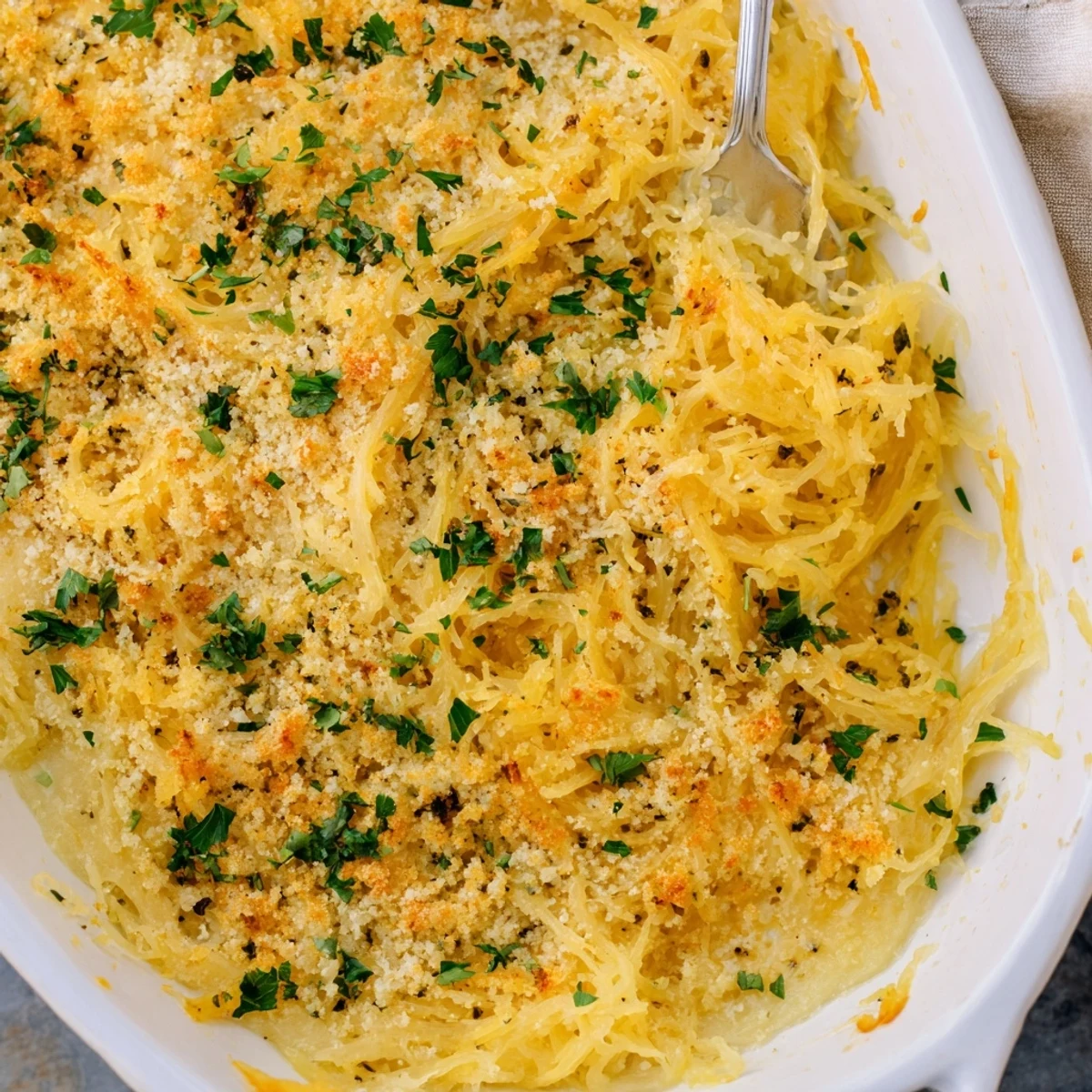
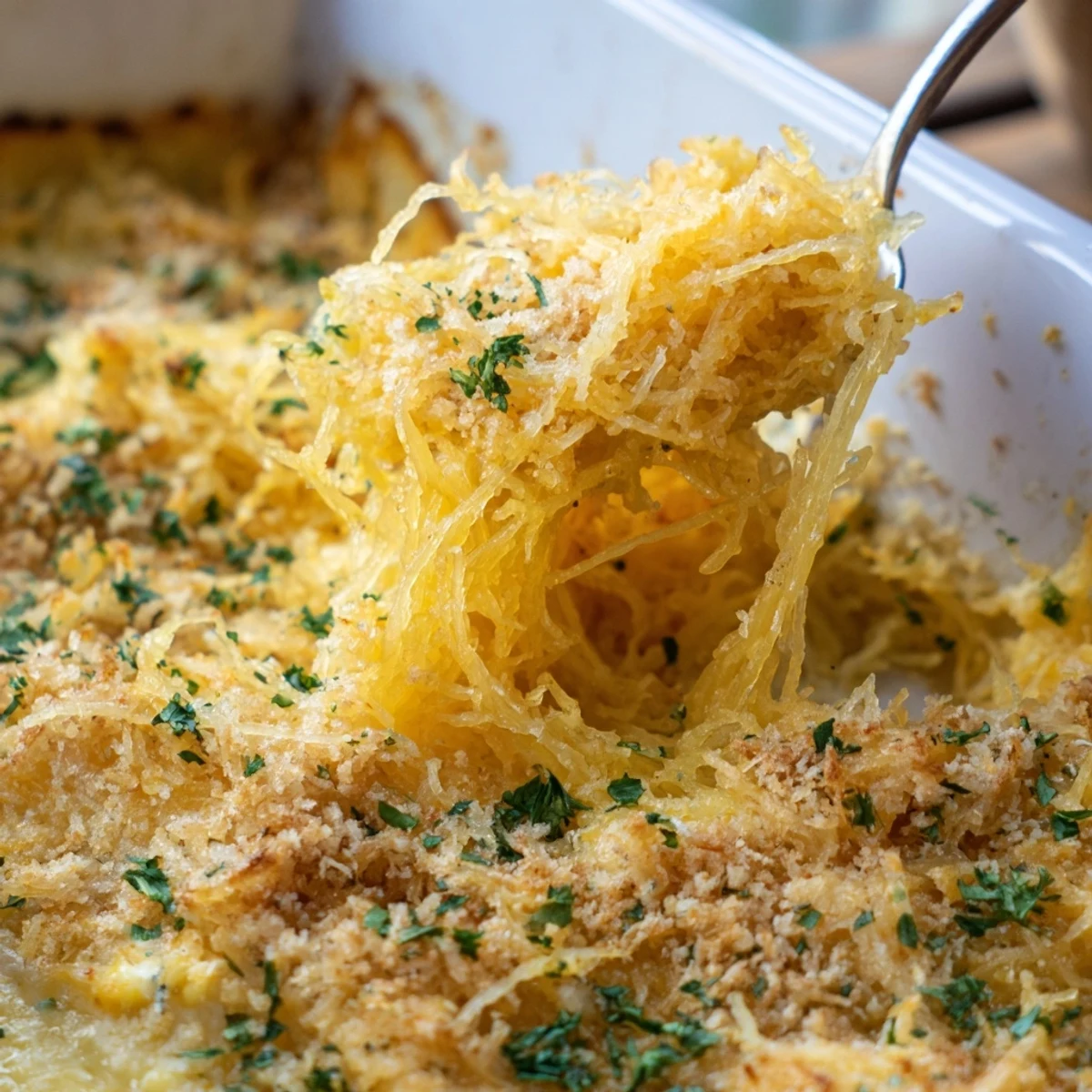
Save This satisfying dish transforms roasted spaghetti squash into tender strands that mimic traditional pasta, coated in a velvety homemade cheese sauce. The roux-based sauce combines sharp cheddar with optional Gruyère for depth, while Dijon mustard and aromatic spices enhance the cheesy richness. After roasting the squash until perfectly tender, the strands are tossed in the warm sauce and baked until bubbly and golden. The result delivers all the comfort of the original with fewer carbohydrates and naturally gluten-free ingredients.
The smell of roasting squash and melting cheddar drifting through my kitchen on a rainy Tuesday is what finally sold me on this recipe. I had been skeptical that anything called spaghetti squash mac and cheese could hold up against the real thing, but one bite of those golden, creamy strands changed my mind completely. This dish is cozy without being heavy, and it has become my weeknight answer when comfort food cravings hit hard.
My neighbor stopped by unannounced one evening while I was pulling this from the oven, and she ended up staying for dinner with zero hesitation. We sat at the kitchen counter with oversized portions, laughing about how neither of us expected squash to taste this indulgent. She now texts me every couple of weeks asking if I am making it again.
Ingredients
- 1 medium spaghetti squash (about 1.2 kg): Pick one that feels heavy for its size with a firm, unblemished skin because that means the flesh inside is fresh and will shred into long, beautiful strands.
- 2 tablespoons unsalted butter: This is the foundation of your roux, so use real butter here and nothing else for the richest flavor.
- 2 tablespoons gluten-free all-purpose flour: Regular flour works too, but the gluten-free blend thickens just as well and keeps the dish accessible for everyone at the table.
- 1 1/2 cups whole milk: Whole milk gives the sauce its velvety body, and I learned the hard way that skim milk leaves it thin and uninspiring.
- 1 teaspoon Dijon mustard: This small amount does not make it taste like mustard at all, but it sharpens the cheese flavor in a way that makes people ask what your secret is.
- 1/2 teaspoon garlic powder: A quiet background note that rounds everything out without overpowering the cheese.
- 1/2 teaspoon onion powder: Paired with the garlic powder, it creates a savory depth that tastes like you spent much longer on this sauce.
- 1/2 teaspoon salt: Adjust after the cheese goes in, because cheddar and Parmesan both bring their own saltiness to the party.
- 1/4 teaspoon ground black pepper: Freshly cracked is always better, and a little goes a long way here.
- 1 1/2 cups sharp cheddar cheese, shredded: Shred it yourself from a block because pre-shredded bags are coated in anti-caking powder that makes the sauce grainy.
- 1/2 cup Gruyere cheese, shredded (optional): If you have it, add it, because the nutty complexity it brings is worth every penny.
- 2 tablespoons grated Parmesan cheese: This goes into the topping and adds a salty, golden crunch that people will fight over.
- 1/4 cup gluten-free breadcrumbs: Mixed with melted butter, they create that irresistible baked crust on top.
- 1 tablespoon melted butter: For the topping, this binds the crumbs and helps them brown evenly.
- Chopped parsley: A bright, fresh finish that cuts through the richness and makes the dish look restaurant-worthy.
Instructions
- Preheat and Prepare:
- Set your oven to 400 degrees F and line a baking sheet with parchment paper so cleanup is effortless later.
- Roast the Squash:
- Cut the squash in half lengthwise with a sharp knife, scooping out the seeds and stringy bits, then place both halves cut side down on the sheet. Roast for 35 to 40 minutes until a fork slides easily through the flesh and the strands separate willingly.
- Start the Roux:
- In a saucepan over medium heat, melt the butter until it foams slightly, then whisk in the flour and stir constantly for one minute until it smells lightly toasted.
- Build the Sauce:
- Pour the milk in gradually while whisking so no lumps form, then add the Dijon mustard, garlic powder, onion powder, salt, and pepper. Keep stirring for 3 to 4 minutes until the sauce coats the back of a spoon and you can draw a line through it that holds.
- Melt the Cheese:
- Take the saucepan off the heat completely before adding the cheddar and Gruyere, stirring gently until every last bit is melted and glossy.
- Shred the Squash:
- When the squash halves are cool enough to handle, drag a fork through the flesh from end to end, watching it fall into perfect spaghetti-like strands, then discard the empty skins.
- Combine and Transfer:
- Fold the squash strands into the cheese sauce, tossing gently so every strand is coated, then spoon the mixture into a greased baking dish.
- Add the Crunchy Topping:
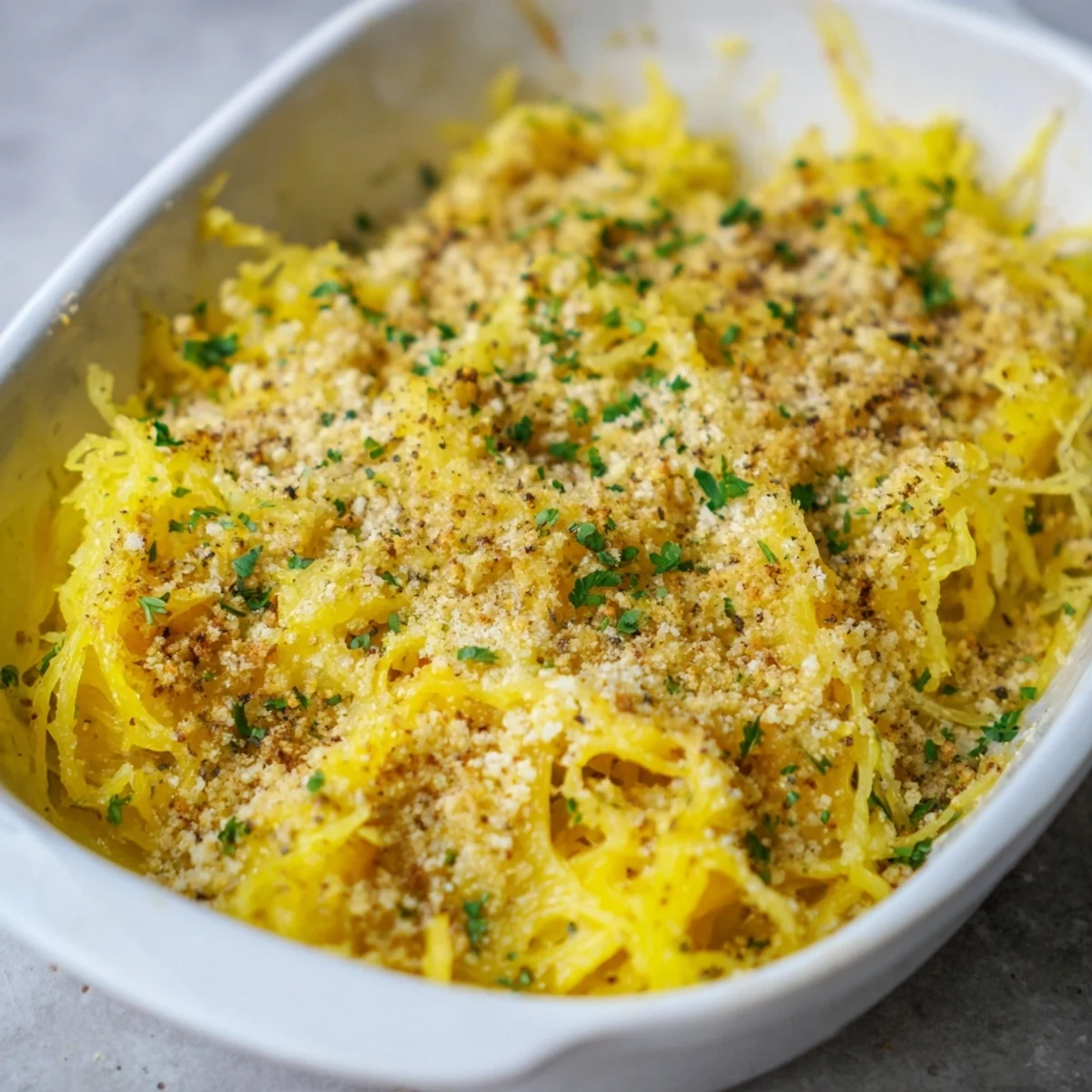
- Mix the breadcrumbs with melted butter and Parmesan, sprinkle it evenly across the top, and let the oven do the rest of the work for 10 minutes until golden and bubbling.
- Serve and Enjoy:
- Let it rest for just a minute, scatter chopped parsley over the top, and serve it hot while the cheese sauce is still luxuriously creamy.
 Save
Save There is something about scooping this onto plates on a cold evening that makes everyone at the table go quiet for a moment. It is the kind of dish that turns a random weeknight into something worth remembering.
Storing and Reheating Like a Pro
Leftovers keep beautifully in an airtight container in the refrigerator for up to three days, though the topping loses some of its crunch overnight. To reheat, a quick stint in a 350 degree oven restores more of that freshly baked texture than a microwave ever could.
Making It Your Own
This recipe is wonderfully flexible, so do not be afraid to experiment with what you have on hand. Stirring in cooked shredded chicken or drained chickpeas turns it into a complete protein-packed meal with almost no extra effort.
A Few Last Thoughts Before You Cook
The first time you pull those spaghetti strands from the squash with a fork, it genuinely feels like a small kitchen miracle, no matter how many times you have done it before. Trust the process and give yourself permission to enjoy the slow, simple rhythm of roasting and stirring. This is comfort food that actually nourishes you.
- A sharp heavy knife makes halving the squash dramatically easier and safer.
- If the squash is rock solid, microwave it for two minutes before cutting to soften the skin.
- Taste the cheese sauce before combining and adjust the salt because every cheese brand varies.
 Save
Save Once you make this once, it will quietly become one of those recipes you reach for without thinking. Enjoy every cheesy, golden bite.
Recipe FAQs
- → Is spaghetti squash a good pasta substitute?
-
Spaghetti squash creates naturally tender strands that work beautifully with cheese sauces. While the texture differs from wheat pasta, the mild flavor allows the creamy sauce to shine while providing a lighter, vegetable-based alternative.
- → Can I make this dish ahead of time?
-
Yes. Prepare the components separately, store in the refrigerator, then combine and bake when ready. The dish may need a few extra minutes in the oven to heat through completely.
- → What other cheeses work well in this dish?
-
Sharp cheddar provides the classic flavor, but Monterey Jack, Colby, or aged Gouda also melt beautifully. For a more complex taste, try combining multiple cheeses or adding a bit of Parmesan to the sauce.
- → How do I know when the squash is properly roasted?
-
The squash is ready when the flesh yields easily to a fork and separates into strands. This typically takes 35-40 minutes at 400°F. Overcooking may make the strands too soft, so check near the 35-minute mark.
- → Can I freeze the leftovers?
-
Frozen cheese sauce can separate upon reheating, affecting texture. For best results, store leftovers in the refrigerator for up to 3 days and reheat gently in the oven or microwave, adding a splash of milk if needed to restore creaminess.
- → Is the crispy topping necessary?
-
The breadcrumb topping is optional but adds delightful texture contrast. Without it, the dish remains creamy and satisfying. For a low-carb version, simply omit the topping or use crushed pork rinds instead.