
 Save
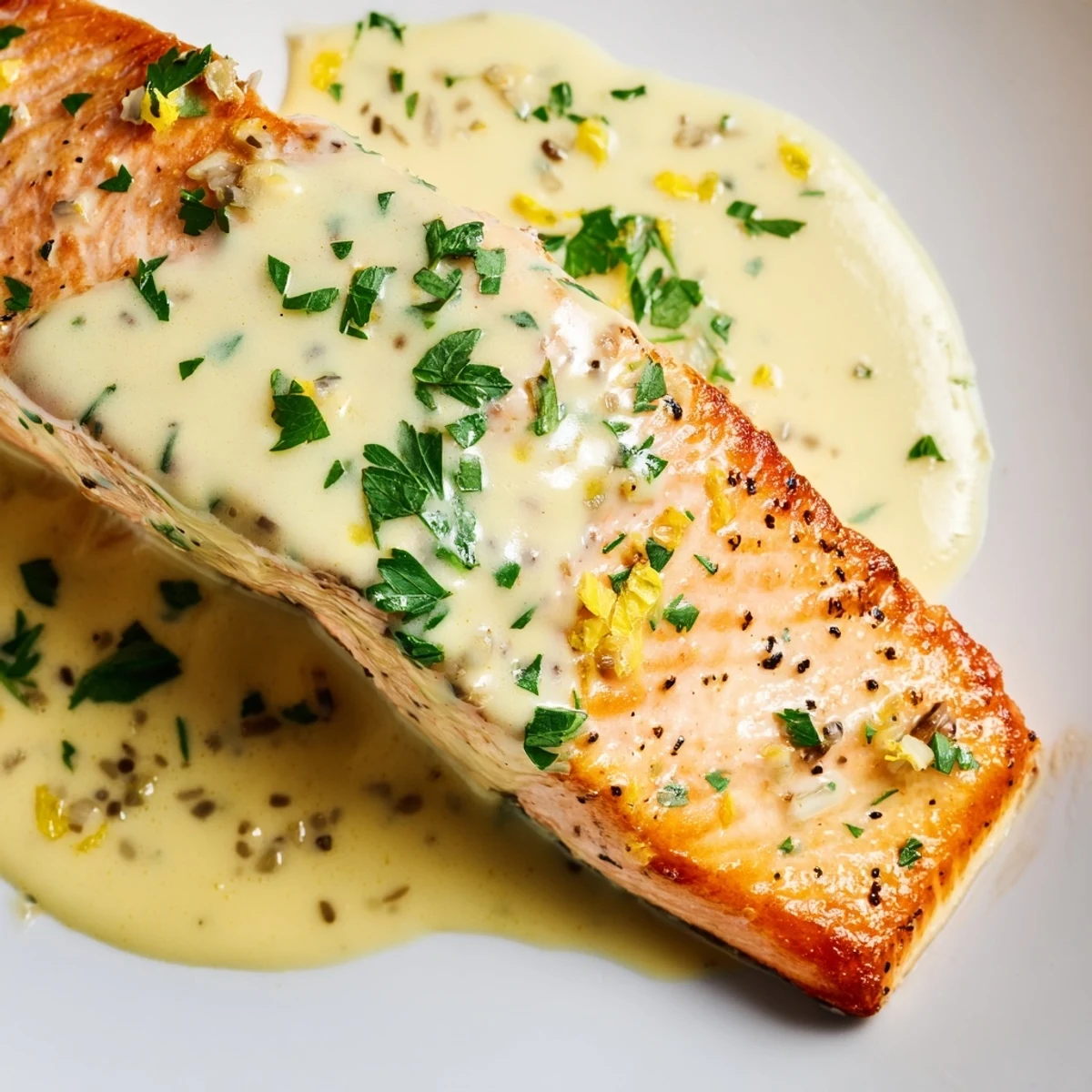
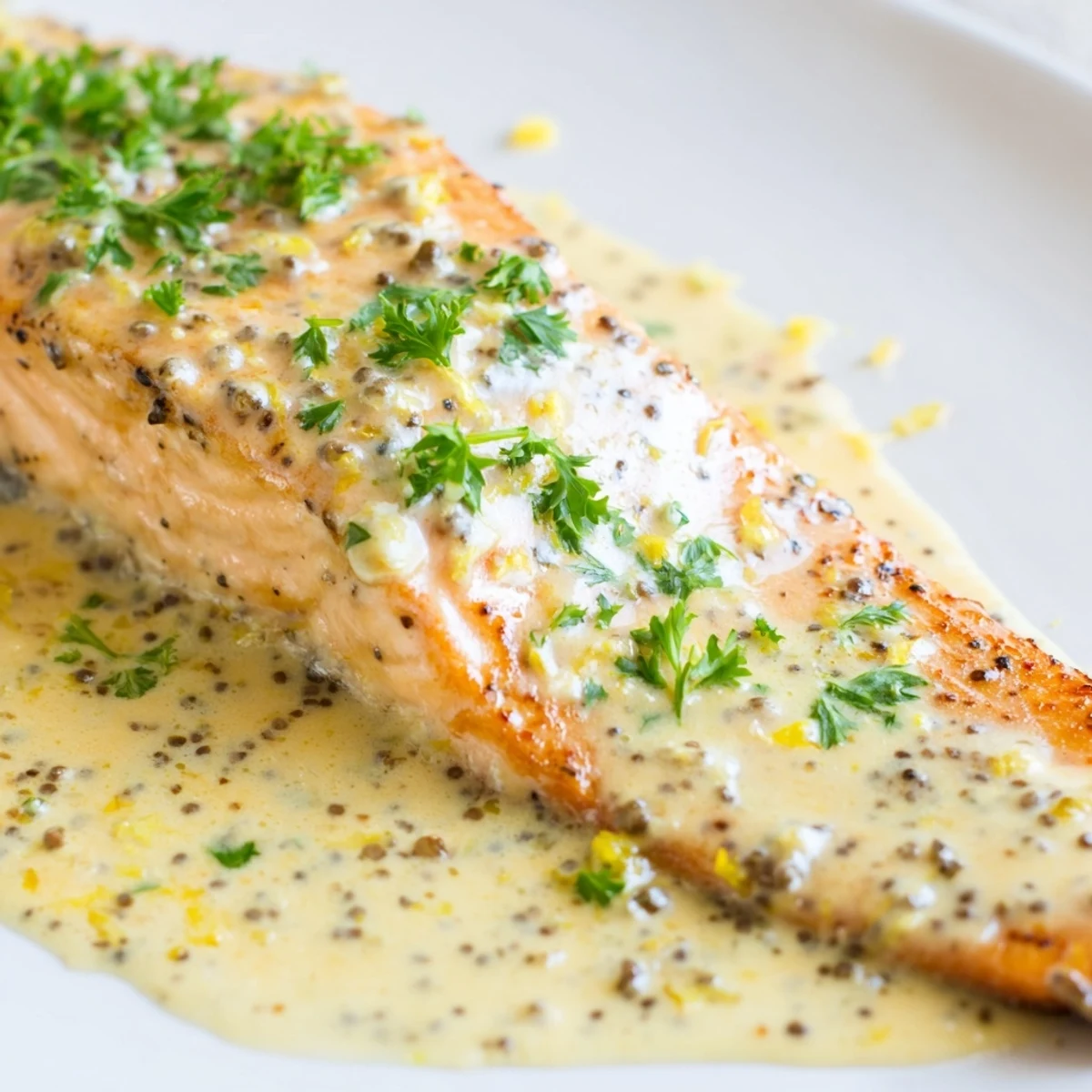
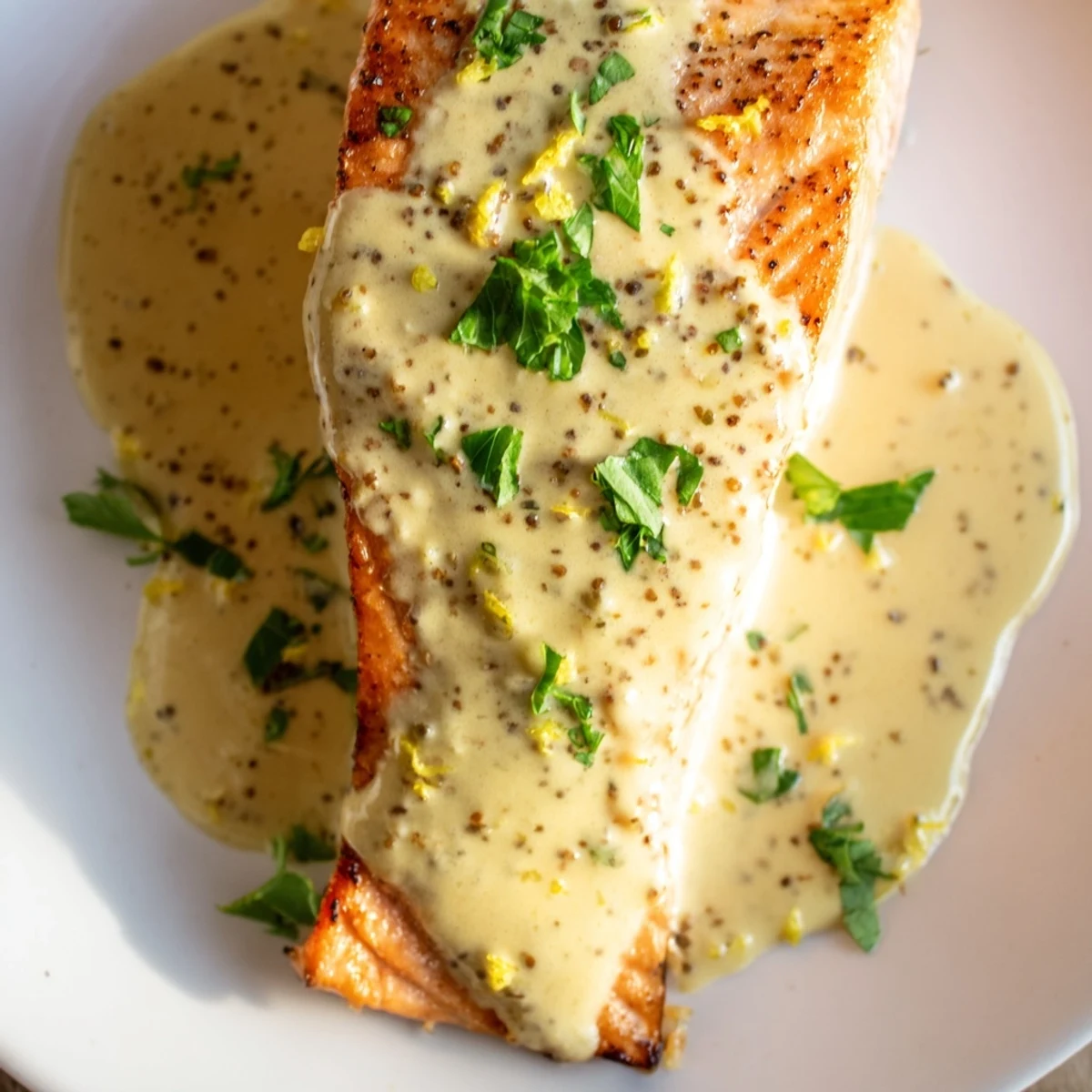
Save This elegant dish features perfectly pan-seared salmon fillets with a golden, crispy exterior and tender, flaky interior. The crowning glory is a velvety lemon cream sauce—rich, tangy, and beautifully balanced with garlic, Dijon mustard, and fresh herbs. Ready in just 30 minutes, this European-inspired main delivers restaurant-quality results with minimal effort. The sauce comes together quickly in the same skillet, infusing every bite with bright citrus notes and creamy indulgence.
There is something about the sizzle of salmon hitting a hot pan that makes the whole kitchen feel alive. The sound is sharp and confident, like the dish itself knows it is about to be incredible. I stumbled into making lemon cream sauce on a rainy Tuesday when the fridge offered nothing but cream, a lone lemon, and desperation. That accident became the most requested dinner in my house.
My sister walked in once while I was reducing the sauce and stood over the stove inhaling deeply like it was perfume. She now texts me every Friday asking if I am making it again.
Ingredients
- 4 salmon fillets (about 150 to 180 g each): Skin on gives a gorgeous crispy edge but skinless works beautifully too if you prefer ease.
- 1 tablespoon olive oil: Just enough to get that golden sear without overpowering the fish.
- Salt and freshly ground black pepper: Season generously on both sides because salmon can handle it.
- 2 tablespoons unsalted butter: The foundation of the sauce so use good quality if you have it.
- 2 garlic cloves minced: Fresh is nonnegotiable here since the garlic flavor really shines through the cream.
- 1 cup heavy cream: This creates that silky velvety texture that makes the sauce feel luxurious.
- 1 teaspoon Dijon mustard: A quiet background note that adds depth without anyone guessing it is there.
- 1 tablespoon freshly squeezed lemon juice plus more to taste: Fresh juice only because bottled will taste flat against the cream.
- 1 teaspoon lemon zest: The zest carries the bright floral oils of the lemon and makes the sauce sing.
- 2 tablespoons freshly chopped parsley: Stirred in at the end for a hit of green freshness.
Instructions
- Dry and season the salmon:
- Pat the fillets thoroughly with paper towels until the surface is completely dry then season both sides well with salt and pepper. Dry fish is the single most important step for getting that beautiful golden crust.
- Sear the fillets:
- Heat olive oil in a large skillet over medium high heat until it shimmers then lay the salmon in gently starting skin side down if applicable. Cook for 4 to 5 minutes per side until the edges turn golden and the center is just cooked through then transfer to a plate and tent loosely with foil.
- Build the aromatics:
- In the same skillet drop the heat to medium and melt the butter until it foams. Add the minced garlic and stir for about 30 seconds just until the fragrance blooms and before anything browns.
- Create the cream base:
- Pour in the heavy cream and whisk in the Dijon mustard until smooth. Let it come to a gentle simmer for 3 to 4 minutes stirring frequently so nothing catches on the bottom.
- Add the lemon:
- Stir in the lemon juice and zest then season with salt and pepper to taste. Let it bubble for another 2 minutes until it coats the back of a spoon.
- Finish with parsley:
- Remove from heat and stir in the chopped parsley. Taste the sauce one more time and adjust the lemon or salt as your palate tells you.
- Bring it all together:
- Return the salmon fillets to the skillet and spoon the warm sauce over the top letting them reheat for 1 to 2 minutes. Serve immediately with extra parsley and lemon wedges alongside.
 Save
Save One evening I plated this for friends on mismatched dishes with a simple side of roasted potatoes and nobody noticed the plates because everyone was too busy asking for more sauce.
What to Serve Alongside
Steamed asparagus is my go-to because it soaks up the extra sauce like a sponge and needs almost zero effort. Roasted potatoes or a light rice pilaf also work wonders for rounding out the plate without competing with the salmon.
Choosing Your Salmon
Wild caught salmon has a leaner texture and a more pronounced flavor that stands up beautifully to the richness of the cream. Farmed salmon is fattier and milder which some people actually prefer for its buttery tenderness so use what you love and what is available.
Quick Weeknight Pointers
Everything about this dish moves fast so have your garlic minced and your lemon juiced before the pan gets hot. Once you start cooking there is no stepping away.
- Take the salmon out of the fridge ten minutes early so it cooks evenly.
- Taste the sauce before returning the fish because once it is on the plate adjustments are too late.
- A squeeze of extra lemon at the very end brightens everything beautifully.
 Save
Save This is the kind of meal that turns an ordinary weeknight into something worth remembering. Keep it in your back pocket and it will never let you down.
Recipe FAQs
- → How do I know when the salmon is cooked through?
-
The salmon is done when it flakes easily with a fork and the internal temperature reaches 145°F (63°C). The flesh should turn opaque and appear slightly translucent in the center. Cooking for 4–5 minutes per side typically yields perfect results for fillets of this thickness.
- → Can I make the lemon cream sauce ahead of time?
-
Yes, prepare the sauce up to 2 hours in advance and store it gently warmed in a thermos or reheat slowly over low heat, adding a splash of cream if needed to restore consistency. Avoid boiling, as this may cause the sauce to separate.
- → What sides pair well with this salmon?
-
Steamed asparagus, roasted potatoes, or a light rice pilaf complement the rich flavors beautifully. For a low-carb option, try zucchini noodles or cauliflower rice. Crusty bread also works wonderfully for soaking up the extra sauce.
- → Can I use frozen salmon fillets?
-
Absolutely. Thaw frozen salmon overnight in the refrigerator before cooking. Pat them thoroughly dry with paper towels to remove excess moisture, which ensures proper searing and prevents the fish from becoming watery.
- → How can I lighten this dish?
-
Replace heavy cream with half-and-half or crème fraîche for a lighter version. You can also reduce the amount of butter or use olive oil in the sauce. The dish remains delicious while lowering the calorie count slightly.
- → What wine pairs best with this salmon?
-
Sauvignon Blanc or Chardonnay complement the creamy, citrusy notes beautifully. A crisp Pinot Grigio or dry Riesling also work well. For red wine lovers, a light Pinot Noir offers enough acidity to balance the richness without overpowering the delicate salmon.