 Save
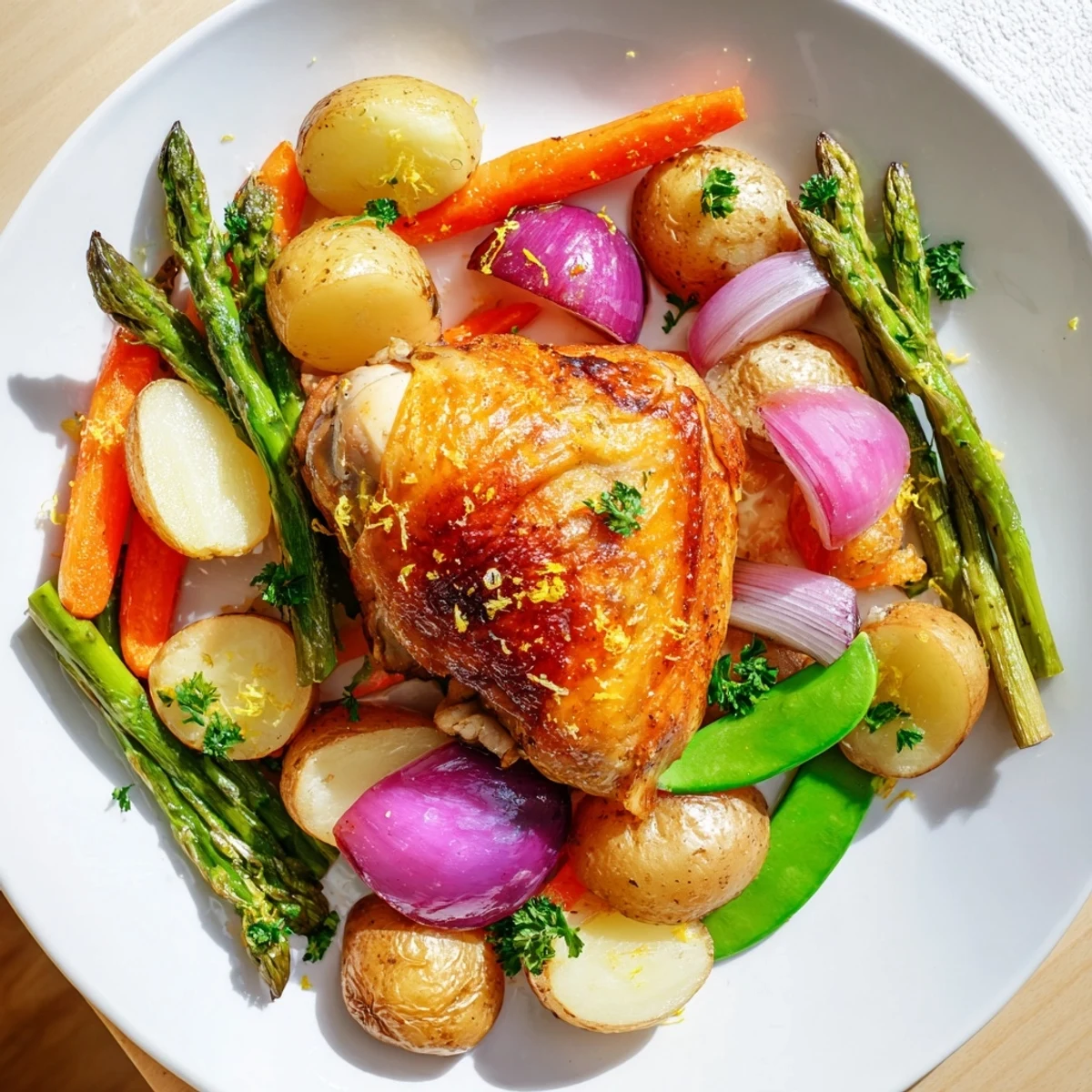
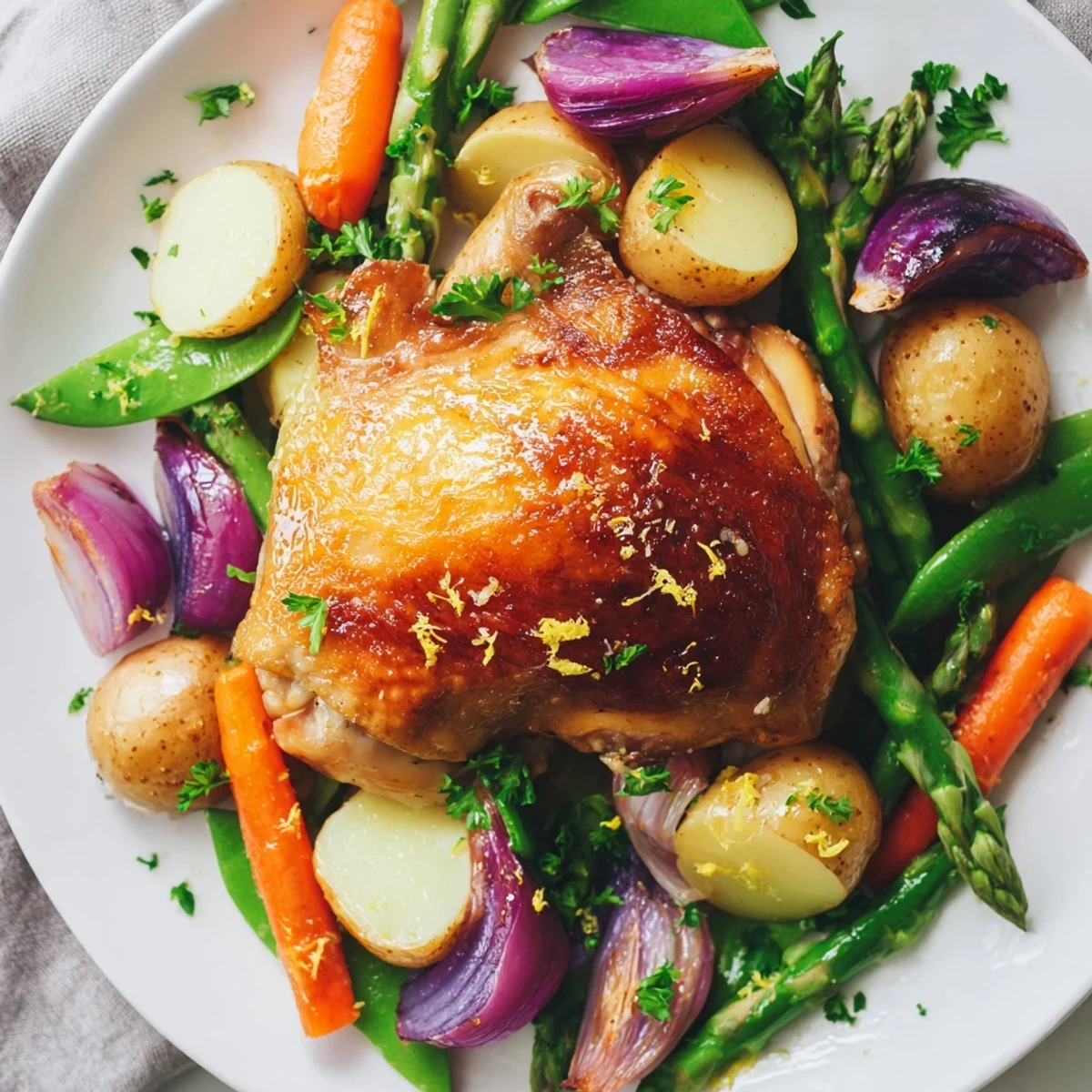
Save This dish features a whole chicken roasted to golden perfection alongside a mix of tender baby potatoes, carrots, asparagus, and sugar snap peas. Aromatic rosemary, thyme, and fresh lemon enhance the natural flavors, while a light basting of butter and olive oil ensures moistness and richness. The combination produces a vibrant and hearty meal perfect for a family dinner or special occasion. Resting the chicken before carving keeps it juicy and the roasted vegetables add a fresh, seasonal touch.
The smell of rosemary hitting hot olive oil always pulls me back to my first apartment kitchen, where I discovered that a simple roasted chicken could transform a Tuesday night into something worth celebrating. I was attempting to impress someone who eventually became my husband, and though the chicken emerged slightly overdone and the vegetables were unevenly cooked, the ritual of tucking ingredients into a pan and waiting for the oven to work its magic felt like discovering a secret superpower. That evening taught me that roasting is less about precision and more about patience and trusting your senses.
Last spring, my sister came over feeling overwhelmed by life, and I popped this chicken into the oven while we sat at the counter catching up. As the vegetables began to roast and the chicken skin turned golden, I watched her shoulders actually drop and her breathing slow down. By the time we pulled everything from the oven, she told me that just the smell of something good happening made her feel like everything might actually be okay again.
Ingredients
- 1 whole chicken (about 1.5 kg/3.3 lbs): Room temperature chicken roasts more evenly and produces crispier skin, so take it out of the fridge about 30 minutes before cooking
- 2 tbsp olive oil: This creates that beautiful golden color and helps the seasonings adhere to the skin
- 1 tsp kosher salt: Kosing salt's larger flakes distribute more evenly and provide better seasoning coverage
- ½ tsp freshly ground black pepper: Whole peppercorns ground just before cooking release essential oils that make a noticeable difference
- 200 g (7 oz) baby potatoes, halved: These hold their shape during roasting and become creamy inside while developing a crispy exterior
- 200 g (7 oz) baby carrots, trimmed and peeled: Baby carrots are naturally sweet and roast faster than full sized carrots
- 150 g (5 oz) asparagus, trimmed and cut into 5 cm (2 inch) pieces: These go in later so they stay bright green and tender crisp instead of mushy
- 150 g (5 oz) sugar snap peas, trimmed: They add a lovely crunch and fresh sweetness that balances the rich chicken
- 1 medium red onion, cut into wedges: Red onion becomes sweeter than yellow when roasted and adds beautiful color to the pan
- 5 garlic cloves, smashed: Smashing rather than mincing releases more flavor and prevents burning during the long roast time
- 2 sprigs fresh rosemary: Woody herbs like rosemary can withstand high oven temperatures without turning bitter
- 4 sprigs fresh thyme: Thyme's earthy flavor complements both the chicken and the spring vegetables perfectly
- 2 tbsp fresh parsley, chopped (for garnish): Fresh parsley at the end adds a bright, clean note that cuts through the richness
- Zest of 1 lemon: Lemon zest brightens everything without adding acidity that might overpower the vegetables
- 1 lemon, halved: Stuffing lemon inside the chicken cavity releases aromatic steam that subtly infuses the meat
- 60 ml (¼ cup) chicken broth or water: This creates steam that keeps the chicken moist while helping the vegetables cook evenly
- 1 tbsp unsalted butter, softened: Butter added near the end helps the skin turn an irresistibly deep golden brown
Instructions
- Get your oven ready:
- Preheat to 200°C (400°F) and position your oven rack in the center position so the chicken roasts evenly without getting too close to the heating element
- Prep the chicken:
- Pat the chicken thoroughly dry with paper towels until the skin feels almost tacky, then rub it all over with olive oil, salt, and pepper, getting into every crevice
- Stuff the cavity:
- Tuck the lemon halves, one rosemary sprig, and two thyme sprigs inside the chicken cavity where they'll release aromatic steam as they cook
- Position the chicken:
- Place the chicken breast side up in a large roasting pan or ovenproof skillet, giving it enough space so heat can circulate all around
- Arrange the first wave of vegetables:
- Scatter potatoes, carrots, onion wedges, and garlic cloves around the chicken, then drizzle them with a little extra olive oil and season with salt and pepper
- Add herb fragrance:
- Tuck the remaining rosemary and thyme sprigs among the vegetables so their aroma permeates everything as it roasts
- Start the roasting process:
- Roast for 50 minutes, opening the oven halfway through to baste the chicken with the pan juices that have accumulated
- Add quick cooking vegetables:
- Remove the pan from the oven and toss in the asparagus and sugar snap peas, stirring them gently to coat in the flavorful pan juices
- Finish with butter and zest:
- Dot the chicken with softened butter, sprinkle lemon zest over everything, pour in the broth or water, and return to the oven for 20 more minutes
- Check for doneness:
- The chicken is ready when a thermometer inserted into the thickest part of the thigh reads 75°C (165°F) and the skin is deeply golden
- Rest and serve:
- Let the chicken rest for 10 minutes before carving so the juices redistribute, then garnish with fresh parsley and serve right from the pan
 Save
Save My grandmother used to say that a roasted chicken brings people to the table like nothing else, and I've watched it happen time and again. Friends who came over expecting takeout ended up lingering for hours, picking at the vegetables and sharing stories they hadn't told anyone in years.
The Secret to Crispy Skin
Patting the chicken completely dry before seasoning is the step most people skip, but it's absolutely crucial for achieving that addictive shatteringly crispy skin. I learned this the hard way after years of ending up with rubbery chicken, and the difference between a damp bird and a thoroughly dried one is remarkable.
Timing Your Vegetables
Not all vegetables roast at the same speed, which is why adding delicate asparagus and snap peas during the last 20 minutes prevents them from turning into mush while the potatoes finish cooking. This simple timing adjustment keeps every vegetable at its perfect texture instead of some being undercooked while others are completely soft.
Making the Most of Pan Juices
Those golden juices at the bottom of the pan are liquid gold, loaded with concentrated flavor from the chicken, vegetables, and herbs. When you're serving, spoon some of those juices over each portion of chicken and vegetables because that's where the real magic lives.
- Don't discard the roasted garlic cloves, they're spreadable and incredibly flavorful
- If the pan juices seem too thin, place the roasting pan over medium heat on the stove and reduce for a few minutes
- The lemon zest at the end brightens the rich flavors without adding too much acidity
 Save
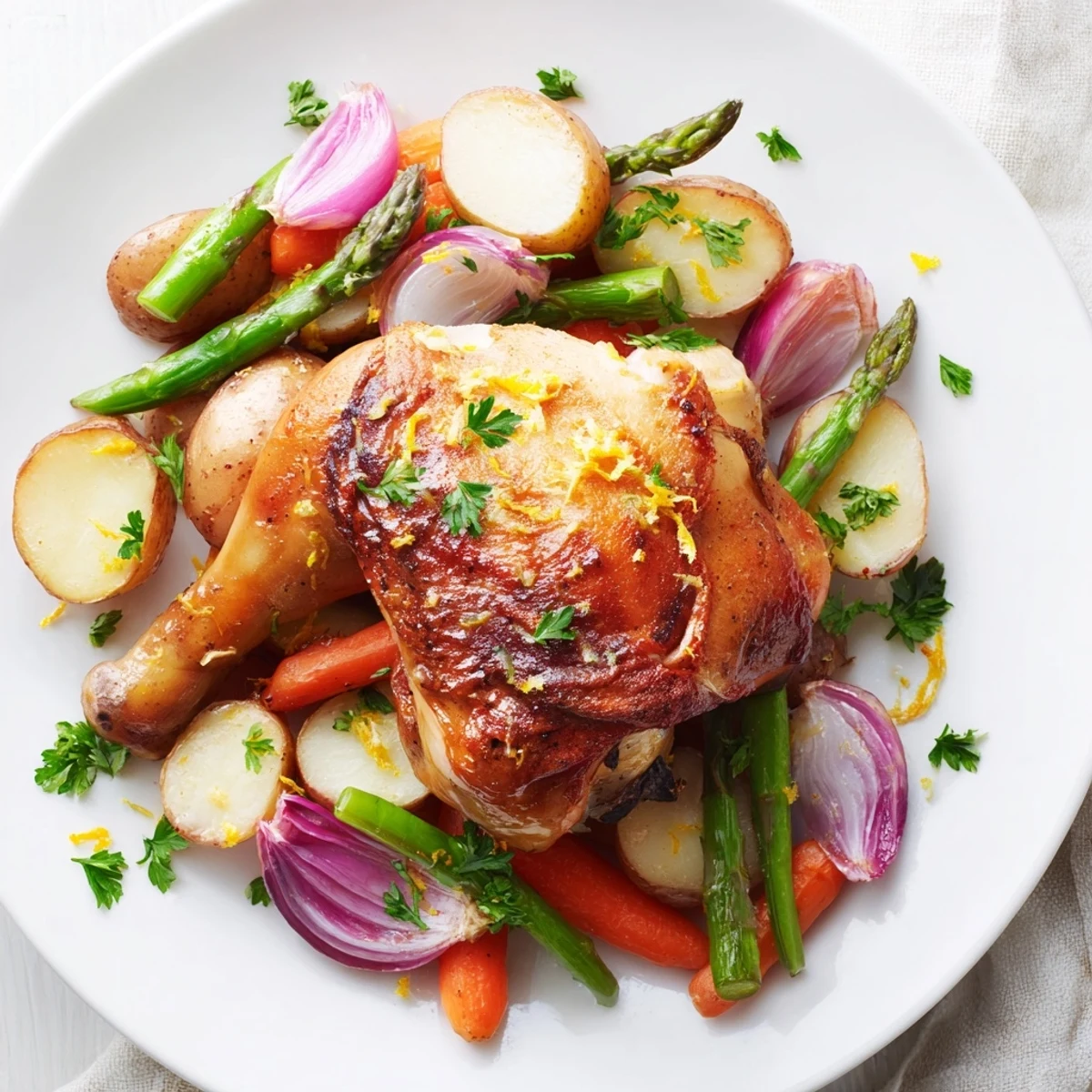
Save There's something deeply satisfying about a one pan meal that looks impressive but requires minimal hands on effort. Your kitchen will smell incredible, and the simple act of pulling a golden roasted chicken from the oven feels like a small victory worth celebrating.
Recipe FAQs
- → What temperature should I roast the chicken at?
-
Roast the chicken at 200°C (400°F) for a crispy, golden skin and tender meat inside.
- → How do I know when the chicken is fully cooked?
-
The internal temperature of the thickest thigh should reach 75°C (165°F) for safe doneness.
- → Can I use other vegetables instead of the spring mix?
-
Yes, fingerling potatoes or sweet potatoes can substitute baby potatoes, and you can swap in other fresh vegetables you prefer.
- → What herbs work best with this dish?
-
Fresh rosemary, thyme, and parsley enhance the chicken and vegetables with bright, earthy aromas.
- → Is marinating the chicken necessary?
-
Marinating with herbs, olive oil, and lemon zest for up to 24 hours boosts flavor but isn’t required.
- → How do I keep vegetables tender but not overcooked?
-
Add delicate vegetables like asparagus and sugar snap peas during the last 20 minutes of roasting to maintain their texture.