
 Save
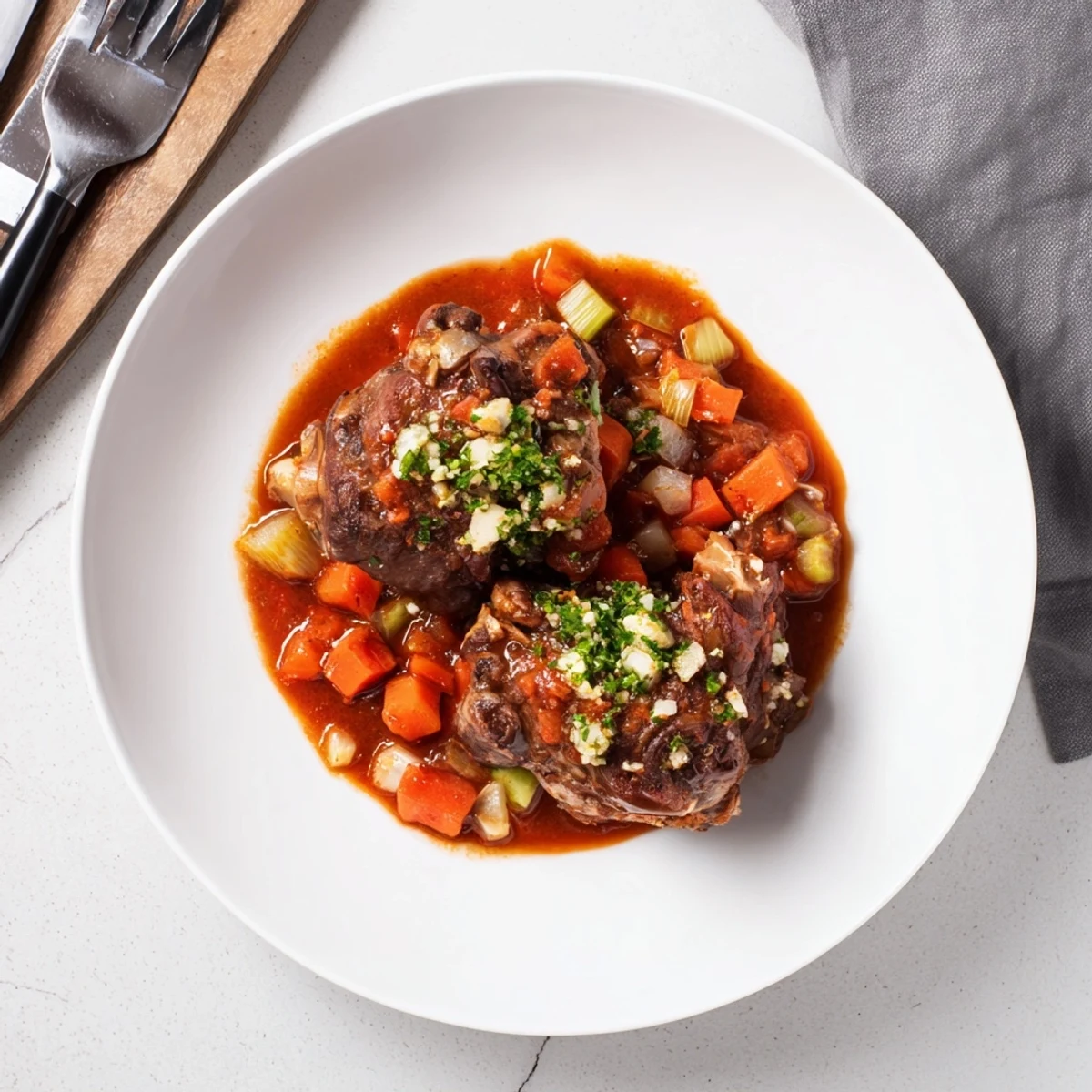
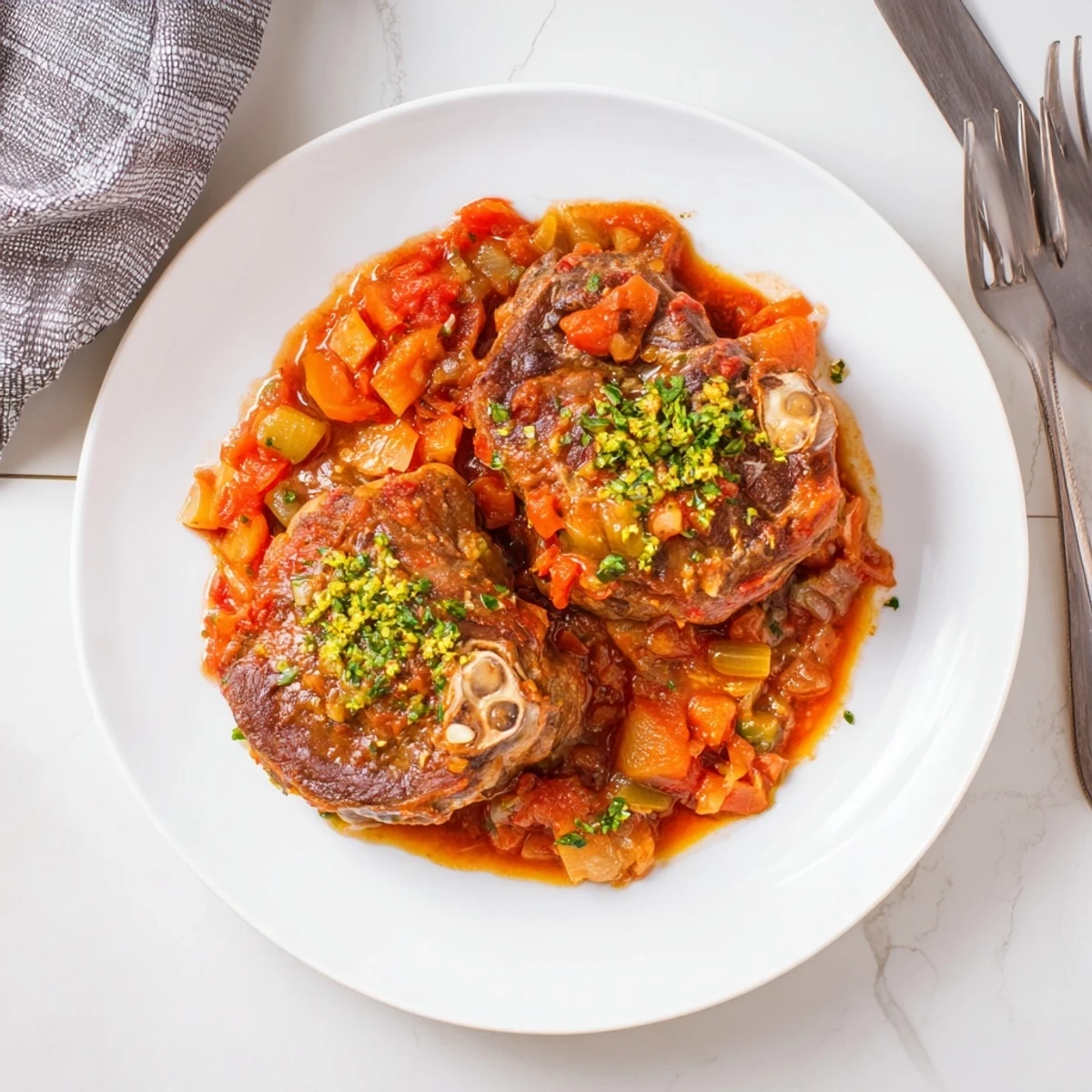
Save This classic Italian dish features veal shanks browned to perfection, then slowly braised for over two hours in a fragrant mixture of white wine, San Marzano tomatoes, and aromatic vegetables. The long, gentle cooking transforms the tough meat into incredibly tender, succulent pieces that nearly fall off the bone. A bright gremolata of lemon zest, garlic, and fresh parsley adds a vibrant finish that cuts through the rich sauce.
The first time I made osso buco, it was snowing outside and I had three hours to kill before dinner guests arrived. I had no idea that braising veal shanks would fill my entire apartment with the most incredible aroma, making it impossible to concentrate on anything else. My friend called to ask what restaurant I was cooking from, and when I told her it was my kitchen, she demanded the recipe immediately. That evening became legendary among our friend group, and now osso buco is my go-to when I want to impress without actually being difficult.
I once doubled this recipe for a dinner party of twelve and used my largest pot, which turned out to be barely big enough. The shanks were stacked like Jenga pieces, and I spent twenty minutes rearranging them every time I checked the oven. Everyone cleaned their plates and fought over the last piece, but I learned an important lesson about pot size and patience. Now I always borrow my neighbors extra Dutch oven when cooking for a crowd.
Ingredients
- Veal shanks: These are the star of the show, about 2 inches thick, because the marrow inside creates that incredible richness
- All-purpose flour: Helps create a beautiful crust and thickens the sauce slightly, but you can use gluten-free flour if needed
- Olive oil and butter: The combination gives you the high smoke point of oil with the rich flavor of butter for browning
- Yellow onion, carrots, and celery: This classic trio forms the flavor foundation that makes everything taste like it came from an Italian grandmother
- Dry white wine: Use something you would actually drink, it reduces down into the sauce and adds bright acidity
- San Marzano tomatoes: Hand-crushing them creates a rustic texture and releases their sweet, concentrated flavor
- Chicken stock: Provides depth and body, homemade is best but store-bought works perfectly fine
- Fresh thyme and bay leaves: These herbs infuse the sauce with earthy, aromatic notes that balance the richness
- Lemon zest: Adds a bright, fresh contrast to cut through all that rich, savory goodness
- Fresh parsley: The finishing touch that makes everything look and taste fresh and vibrant
Instructions
- Get your oven ready:
- Preheat to 325°F and clear a nice stable spot for your Dutch oven, this will be your new best friend for the next few hours.
- Prep the veal:
- Pat those shanks completely dry, then mix flour with salt and pepper and give each shank a light coating, shaking off any excess.
- Create the foundation:
- Heat oil and butter in your Dutch oven until shimmering, then brown the veal on all sides until golden, working in batches if needed.
- Build the flavor:
- Sauté the vegetables until they are soft and fragrant, about 8 minutes, then add garlic for just one minute so it does not burn.
- Deglaze the pot:
- Pour in the wine and scrape up all those gorgeous browned bits from the bottom, letting it simmer for a few minutes.
- Add the liquids:
- Stir in the crushed tomatoes, chicken stock, thyme, bay leaves, and lemon zest until everything is well combined.
- Nestle and cover:
- Return the veal shanks to the pot, tucking them into the sauce, bring to a simmer, then cover and transfer to the oven.
- The magic happens:
- Braise for 2 to 2.5 hours until the meat is fork-tender and practically falling off the bone.
- Finish it off:
- Remove the bay leaves, skim any excess fat, and sprinkle with fresh parsley or gremolata right before serving.
 Save
Save My father-in-law, who is notoriously picky about Italian food, took one bite and declared this better than any restaurant version he has ever had. He asked for seconds, which I have never seen him do, and then proceeded to ask for the recipe before he even left the table. Now whenever I visit, there is a gentle request for osso buco, and I am happy to oblige because it brings so much joy to the table.
Serving Suggestions That Shine
Risotto alla Milanese is the traditional pairing because the creamy, saffron-infused rice soaks up that incredible sauce. I also love serving it over creamy polenta or mashed potatoes when I want something more comforting and familiar. The key is having something starchy to catch all that rich, flavorful sauce.
Make It Ahead
This is one of those rare dishes that actually improves with time, so do not hesitate to make it a day or two before serving. The flavors meld together and the meat becomes even more tender, plus you can easily skim off any hardened fat from the surface before reheating. Just reheat gently on the stove and it will taste like you just made it.
Choosing The Best Veal
Look for shanks that are about 2 inches thick with good marbling and a nice piece of marrow in the center. The meat should be pink, not red, and the butcher should be able to cut them to order if you do not see them in the case. Thicker shanks take longer to cook but yield more tender, flavorful results that are worth the extra time.
- Ask your butcher for shanks from the rear leg if possible, they tend to be more meaty
- Avoid shanks that look gray or have been sitting in the case too long
- Plan on one shank per person, because everyone will want seconds
 Save
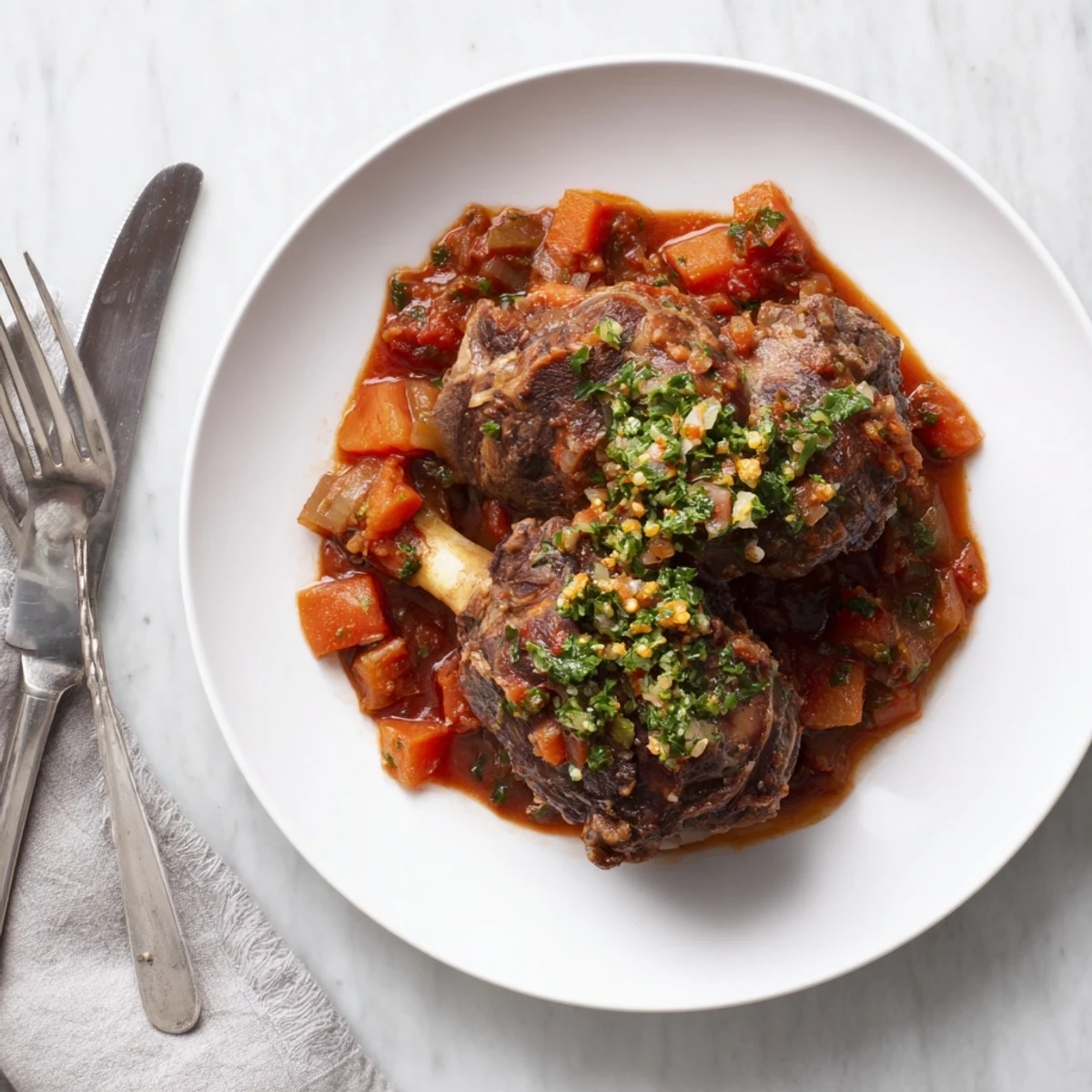
Save There is something deeply satisfying about serving a dish that looks impressive but comes together with such simple techniques. Your kitchen will smell amazing, your guests will feel special, and you will look like a culinary genius with minimal stress.
Recipe FAQs
- → What cut of meat works best for this dish?
-
Veal shanks about 2 inches thick are traditional, but beef shanks make an excellent substitute. The key is using cuts with plenty of connective tissue that break down during long, slow braising to create tender, flavorful meat.
- → How long should the veal shanks braise?
-
Braise for 2 to 2.5 hours in a 325°F oven. The meat is ready when it's fork-tender and nearly falling off the bone. Cooking times may vary slightly based on the thickness of your shanks.
- → Can this be made gluten-free?
-
Absolutely. Simply use gluten-free flour for dredging or skip the flour coating entirely. The dish remains delicious without it, and all other ingredients are naturally gluten-free.
- → What should I serve with osso buco?
-
Traditional accompaniments include risotto alla Milanese, creamy polenta, or mashed potatoes. These sides pair perfectly with the rich, flavorful braising liquid and soak up the delicious sauce.
- → Can I make this in a slow cooker?
-
Yes. After browning the meat and sautéing the vegetables on the stovetop, transfer everything to your slow cooker. Cook on low for 6-8 hours or on high for 3-4 hours until the meat is fork-tender.
- → What is gremolata and why add it?
-
Gremolata is a simple Italian condiment made from chopped fresh parsley, minced garlic, and lemon zest. Sprinkled over the finished dish, it adds brightness and fresh flavor that balances the rich, slow-cooked meat.