
 Save
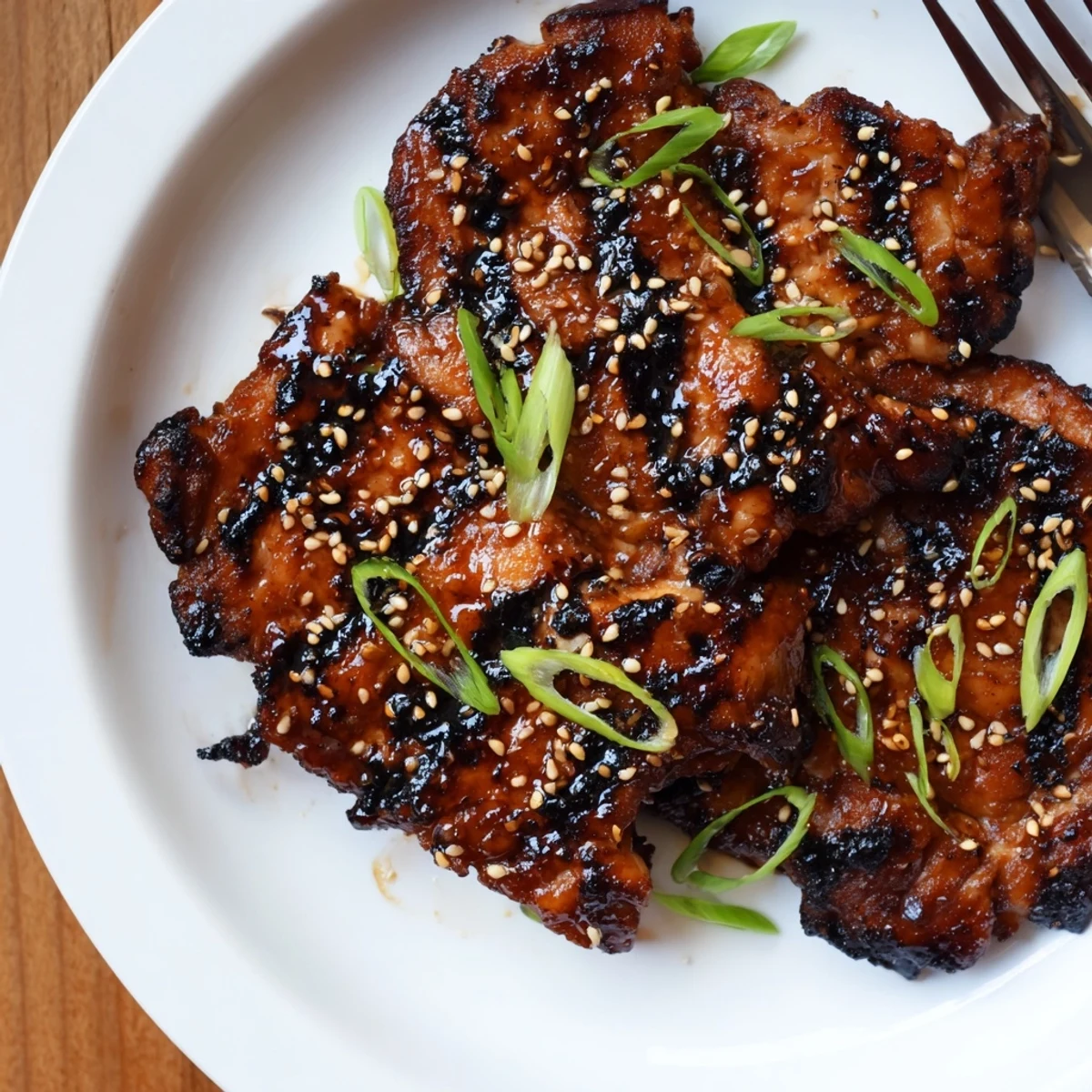
Save Plump chicken thighs are brined in a honey-soy marinade with sesame oil, garlic, fresh ginger and gochujang for a balance of sweet, savory and spicy. Marinate at least 30 minutes or up to 6 hours for deeper flavor. Roast at 425°F or grill over medium-high heat until caramelized and 165°F internal, turning once. Finish with extra toasted sesame and thinly sliced green onions; serve with steamed rice and kimchi for contrast.
The sizzle of chicken hitting a screaming hot pan on a Tuesday evening is its own kind of therapy, and these Korean chicken thighs have been my weeknight salvation more times than I can count. A friend brought a jar of gochujang to a potluck years ago and left it behind, which forced me to figure out what to do with it. This recipe was the happy accident that followed. The marinade comes together in minutes but tastes like it took all afternoon.
One summer evening I threw these on the grill while my neighbor was mowing his lawn, and he literally stopped mid row, walked over, and asked what smelled so good. I handed him a thigh on a paper plate and he stood in my yard eating it in silence before saying he needed the recipe immediately. We have been trading dishes ever since.
Ingredients
- 8 boneless skinless chicken thighs (about 1.2 kg): Thighs are the hero here because they stay juicy even if you accidentally overcook them a little, unlike breasts which punish you swiftly.
- 1/4 cup soy sauce: This is your salt and your umami backbone all at once, so reach for a decent quality one.
- 2 tablespoons honey: Helps the marinade caramelize and gives that gorgeous sticky glaze that makes you lick your fingers.
- 2 tablespoons sesame oil: Use the toasted kind, it adds a nutty warmth that raw sesame oil simply cannot replicate.
- 3 cloves garlic, minced: Fresh is non negotiable here, the jarred stuff tastes flat against the other bold flavors.
- 1 tablespoon fresh ginger, minced: Grate it on a microplane if you have one, it breaks down into almost a paste that melts right into the marinade.
- 1 tablespoon gochujang (Korean chili paste): The soul of this recipe, delivering fermented depth and a gentle heat that builds but never overwhelms.
- 1 tablespoon rice vinegar: A tiny hit of acidity that brightens everything and balances the sweetness of the honey.
- 1 teaspoon toasted sesame seeds: These get mixed into the marinade and add little pops of texture throughout.
- 1/2 teaspoon black pepper: Just enough to warm things up without competing with the gochujang.
- 2 green onions, finely sliced: They bring a mild onion freshness that threads through every bite.
- Garnish of sesame seeds and green onions: A final shower of these at the end makes it look as good as it tastes.
Instructions
- Build the marinade:
- Whisk together the soy sauce, honey, sesame oil, garlic, ginger, gochujang, rice vinegar, sesame seeds, pepper, and green onions in a bowl until everything is smooth and fragrant. Take a little taste on your finger and adjust if you want more heat or sweetness.
- Coat the chicken:
- Toss the chicken thighs into a large resealable bag or bowl and pour the marinade over them, massaging it into every fold and crevice. Let them soak up all that flavor in the fridge for at least 30 minutes, though a few hours will reward you generously.
- Get your heat ready:
- Preheat your oven to 425 degrees F if baking, or fire up your grill to medium high if cooking outside. You want serious heat so the sugars caramelize instead of just steaming.
- Cook the chicken:
- Shake off the excess marinade and lay the thighs on a parchment lined sheet or straight onto the grill grates. Cook for 20 to 25 minutes, flipping halfway through, until the edges are dark and sticky and the internal temperature hits 165 degrees F.
- Finish and serve:
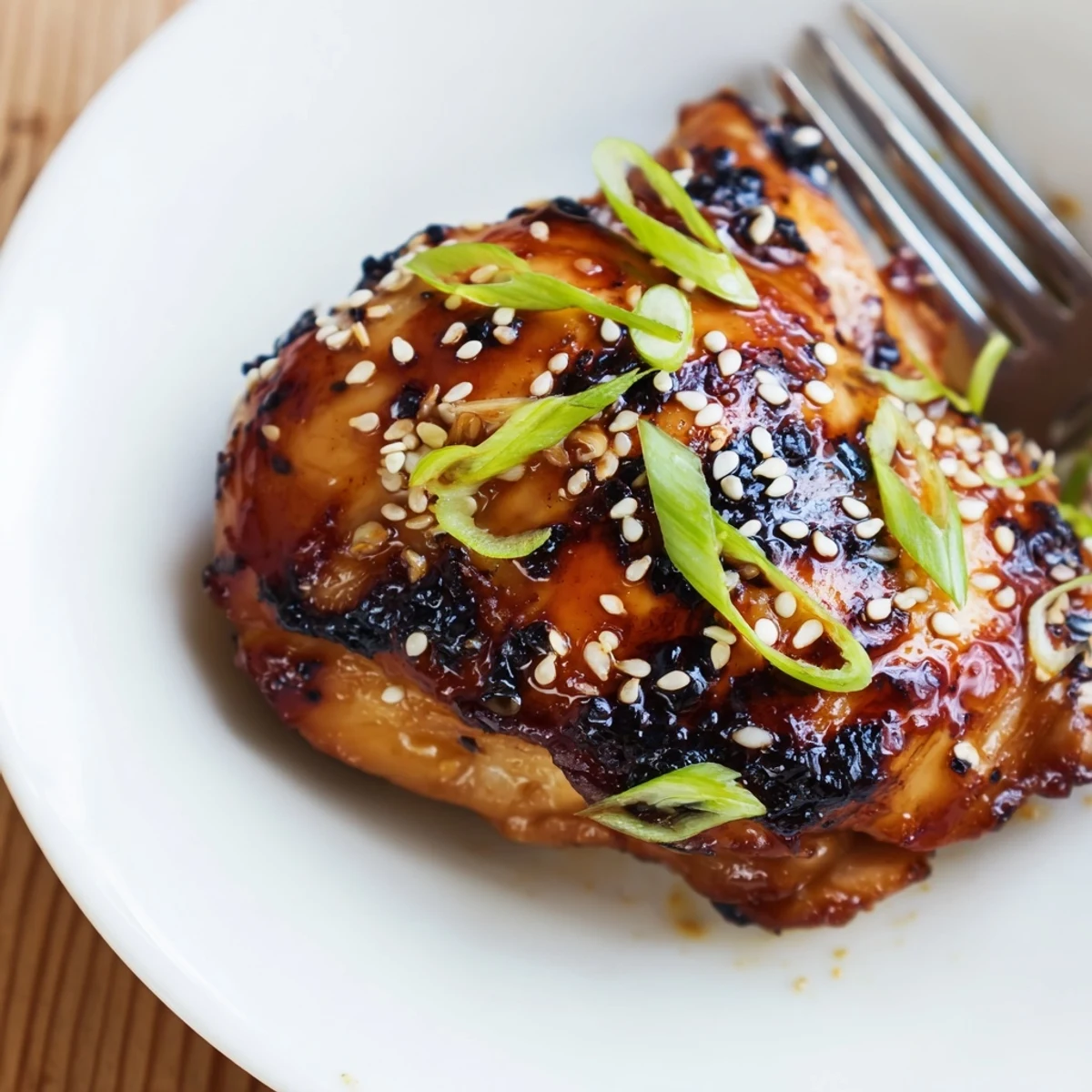
- Transfer the chicken to a platter and scatter extra sesame seeds and sliced green onions over the top while it is still hot and glistening. Serve immediately because the caramelized edges are best when they have not had time to soften.
 Save
Save There was a night my youngest niece sat at the kitchen counter swinging her legs and declared this the best chicken in the entire universe, and then asked if she could have it for her birthday dinner. That request has now repeated itself four years running. Some recipes earn their place in the rotation not because they are fancy but because they make someone small feel genuinely happy.
What to Serve Alongside
Steamed white rice is the obvious and correct answer because it soaks up every drop of the sticky leftover glaze on the plate. A bowl of pickled radish or kimchi cuts through the richness with acid and crunch. On hotter evenings I sometimes just slice up some cucumber with a quick vinegar dressing and call it done.
Handling the Heat
Gochujang varies wildly in intensity depending on the brand, so if you are new to it start with a full tablespoon and see how it lands. You can always add more to the next batch. If you cannot find it at all, sriracha works in a pinch though you lose some of the fermented complexity that makes this dish distinctly Korean.
Making It Your Own
This marinade is endlessly adaptable and once you memorize the rough ratio you will find yourself tossing it on wings, drumsticks, and even tofu without measuring. The chicken thighs are forgiving and the flavors are bold enough to survive experimentation.
- Try adding a grated Asian pear to the marinade for natural tenderness and a whisper of sweetness.
- Leftovers shred beautifully into a bowl with rice, quick pickled vegetables, and an extra drizzle of sesame oil.
- Always let the chicken rest for a few minutes before serving so the juices redistribute and every bite stays moist.
 Save
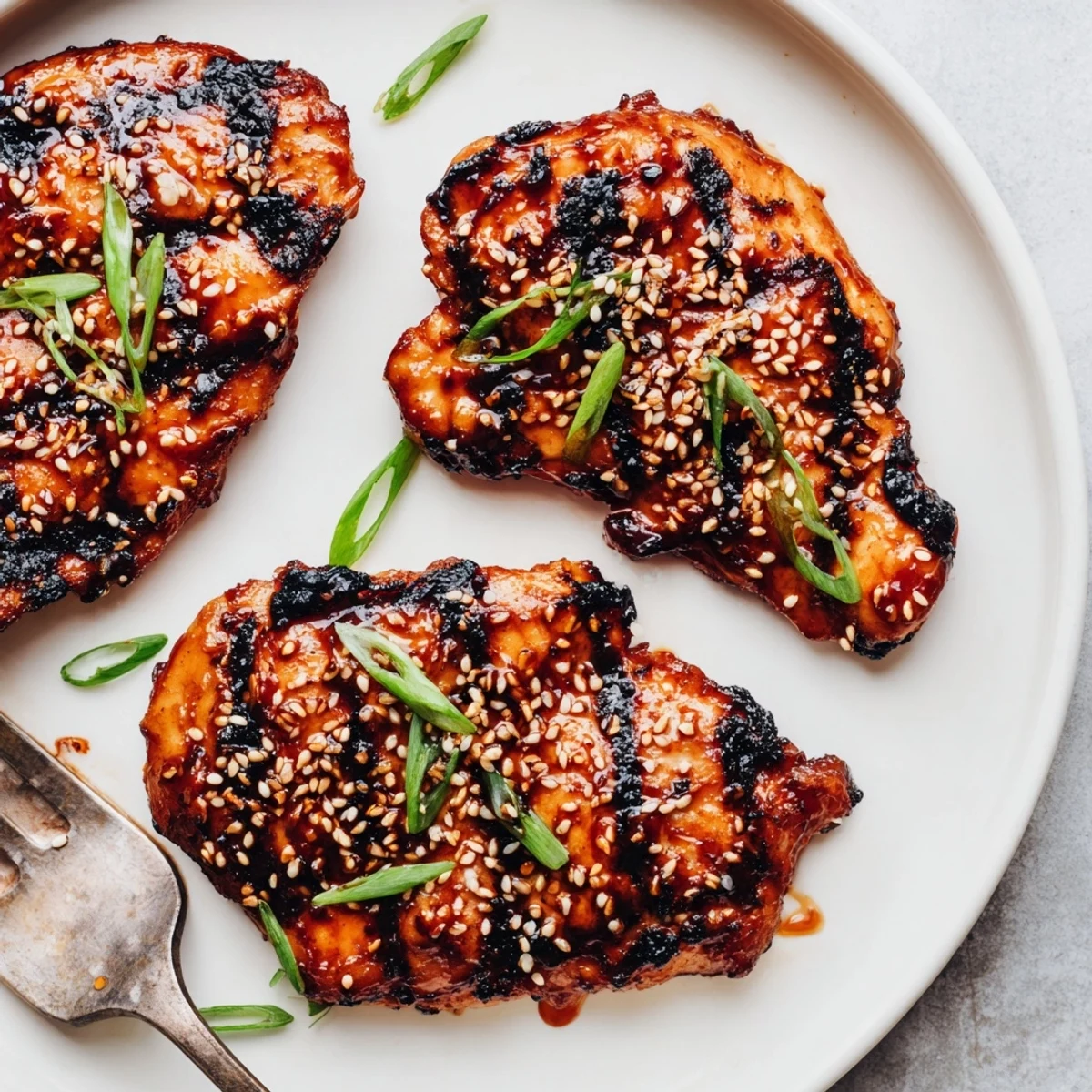
Save Keep this one close because it will rescue dinner on the busiest nights and still make people think you spent hours in the kitchen. That is the quiet magic of bold marinades and forgiving cuts of chicken.
Recipe FAQs
- → How long should the thighs marinate for best flavor?
-
Allow at least 30 minutes for the flavors to start infusing; for a deeper, more rounded profile aim for 2–6 hours in the fridge. Avoid overly long marinating with high-acid mixes to prevent texture changes.
- → Can I substitute gochujang if it's unavailable?
-
Yes. Use sriracha mixed with a touch of miso or a spoon of chili paste and a pinch of sugar to mimic the sweet-spicy-fermented edge, but adjust quantities to taste.
- → What's the best method to get caramelized edges and some crisp?
-
High direct heat works best: grill over medium-high or roast at 425°F, then broil for 1–2 minutes at the end to caramelize sugars. Pat thighs dry before cooking to promote browning.
- → How do I know the thighs are safely cooked?
-
Use an instant-read thermometer: the internal temperature should reach 165°F (74°C) in the thickest part. Juices should run clear and the meat should be opaque throughout.
- → What sides and drinks pair well with these flavors?
-
Steamed rice, quick pickles or kimchi and crisp vegetables balance the rich thighs. Light lagers or an off-dry Riesling complement the sweet-spicy glaze.
- → How should leftovers be stored and reheated?
-
Cool to room temperature, refrigerate in an airtight container for up to 3–4 days. Reheat gently in a low oven or skillet to preserve moisture and re-crisp edges if desired.