
 Save
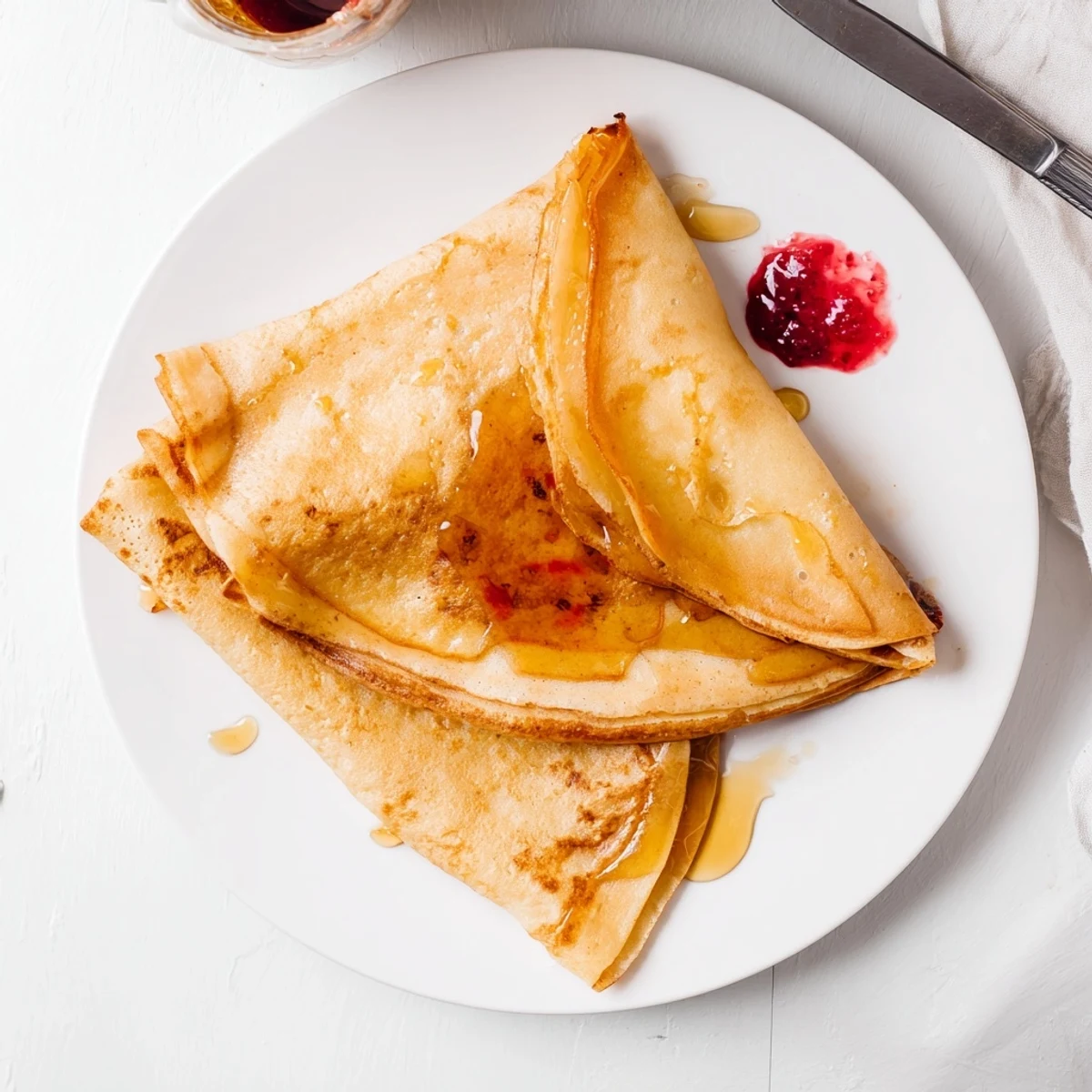
Save Meloui brings the authentic taste of Moroccan street food into your kitchen. These delicate, flaky pancakes feature butter-brushed layers and fine semolina for distinctive texture. The dough requires resting and careful folding to create those signature honeycomb layers when cooked.
The technique involves stretching dough paper-thin, dotting with softened butter, then folding into squares before flattening and cooking on a griddle. Each pancake develops golden spots and irresistible flakiness.
Traditionally enjoyed warm with honey, jam, or powdered sugar, Meloui pairs beautifully with Moroccan mint tea. You can add anise or cinnamon to the dough for extra warmth.
My grandmother taught me to make Meloui on a rainy Sunday afternoon in Casablanca. The way she folded the dough with such practiced grace, her hands moving through the oil and semolina like she was conducting music. I watched, fascinated, as paper-thin circles transformed into impossibly flaky layers. Now every time I smell butter hitting a hot skillet, I am transported back to her tiny kitchen where time moved slower and everything tasted like home.
Last summer, I made Meloui for my neighbors who had never tasted Moroccan food. They stood around my stove, watching the pancakes bubble and brown, asking questions about the technique. When they took their first bites, drizzled with honey, the room went completely silent. That moment of connection over something so simple and handmade is exactly why I love sharing these recipes.
Ingredients
- 3 cups all-purpose flour: The foundation that gives structure while remaining tender
- 1 cup fine semolina: Creates that signature sandy texture and subtle nutty flavor
- 1 ½ teaspoons salt: Enhances all the flavors without making it taste salty
- 1 teaspoon sugar: Helps with browning and adds just a hint of sweetness
- 1 ½ cups warm water: Binds everything together and activates the dough
- ½ cup vegetable oil: Keeps your hands and surface slippery for perfect stretching
- ¼ cup softened butter: The magic ingredient that creates those legendary flaky layers
- ¼ cup fine semolina: Sprinkled inside for that delightful crunch between layers
Instructions
- Mix the dough:
- Combine flour, semolina, salt, and sugar in a large bowl, gradually adding warm water until you have a soft, smooth dough that feels like a warm pillow. Knead for 8 to 10 minutes until the dough bounces back when you press it, becoming elastic and no longer sticky.
- Rest the dough:
- Divide the dough into 8 equal balls, cover with a damp cloth, and let them rest for 15 minutes to relax the gluten. This rest period makes the dough much more cooperative when you start stretching it.
- Stretch the dough:
- Oil your hands and work surface lightly, then take one dough ball and flatten it into a circle as thin as you possibly can, almost translucent, until you can nearly see through it.
- Add the filling:
- Dot the surface generously with softened butter and sprinkle with semolina as if you are adding snow to a landscape, ensuring every bite will have those delicious layers.
- Fold the layers:
- Fold the circle into thirds like you are folding a letter, then fold again to form a square or rectangle, creating those precious layers that will make your Meloui legendary.
- Rest again:
- Set all folded pieces aside and let them rest for 5 minutes while you heat your skillet, giving the dough a moment to relax before the final shaping.
- Final shaping:
- Gently press each square to about half an inch thick, being careful not to press too hard and lose those precious layers you just created.
- Cook to perfection:
- Heat a nonstick skillet over medium heat with a light coating of oil, then cook each pancake for 2 to 3 minutes per side, pressing gently with a spatula until golden brown and cooked through.
- Serve warm:
- Drizzle with honey, spread with jam, or dust with powdered sugar while still warm, watching as the butter melts into every crevice.
 Save
Save My daughter now helps me make these on weekend mornings, her small hands working alongside mine. She still cannot fold them quite right, but her enthusiasm more than makes up for imperfect technique. These pancakes have become our special thing, a bridge between generations and cultures, all wrapped in butter and semolina.
The Art of Stretching
Learning to stretch the dough thin takes practice but becomes meditative once you find your rhythm. Work on a lightly oiled surface rather than floured one to prevent sticking and keep the dough supple. If the dough resists and keeps shrinking, let it rest a few more minutes and try again with fresh oiled hands.
Folding Techniques
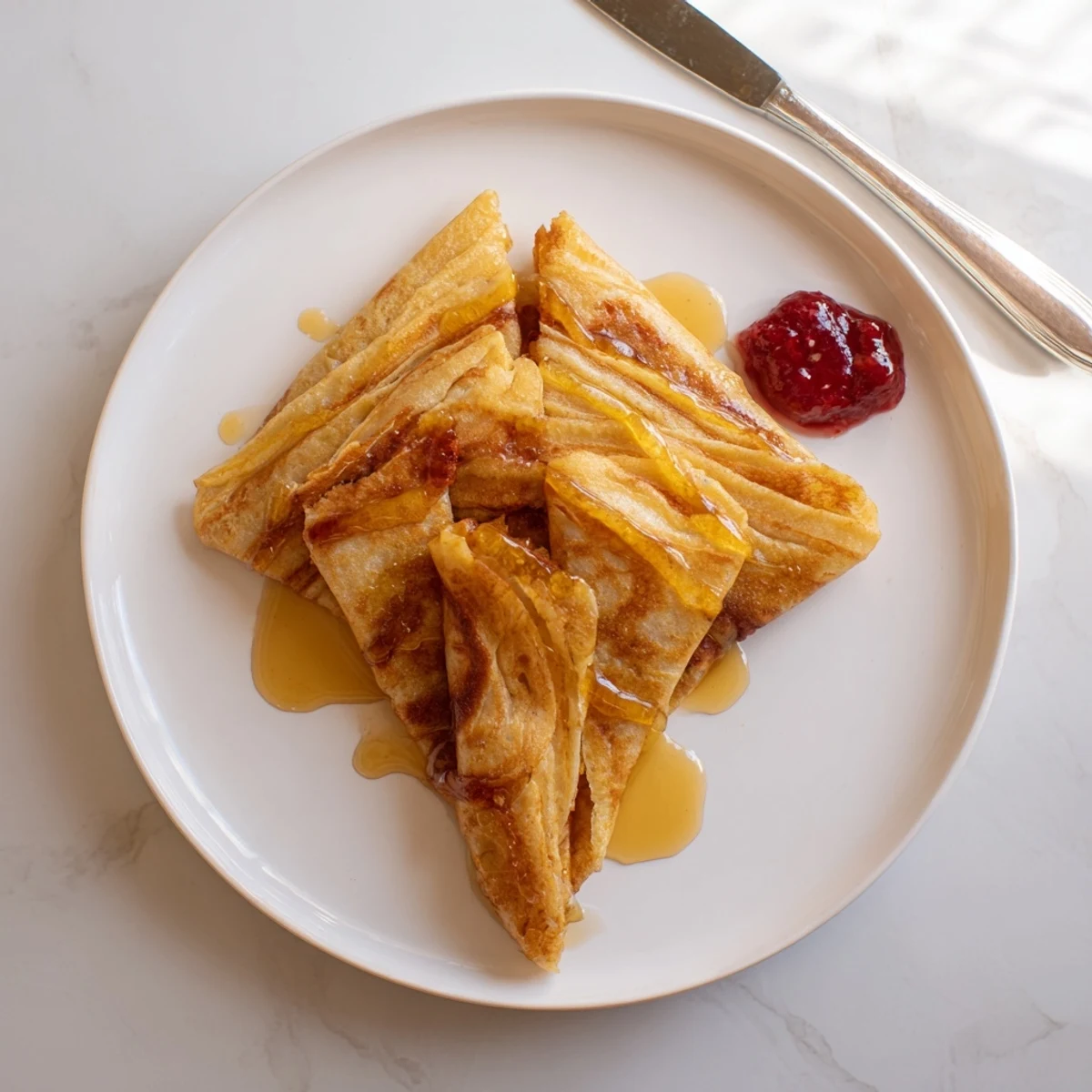
The folding method is what creates those signature flaky layers that separate Meloui from ordinary pancakes. Some cooks fold into triangles while others prefer rectangles, but the principle remains the same. Each fold traps butter and semolina between layers, creating steam pockets that puff and separate during cooking.
Serving Suggestions
Meloui shines when served immediately but also makes excellent meal prep components. Try them stuffed with savory fillings like cheese or herbs for lunch, or stick to traditional honey and butter for breakfast. They pair wonderfully with Moroccan mint tea but also taste delicious with strong coffee.
- Warm honey slightly before drizzling for better absorption
- Add a pinch of cinnamon to honey for extra warmth
- Reheat leftovers in a dry skillet to restore crispiness
 Save
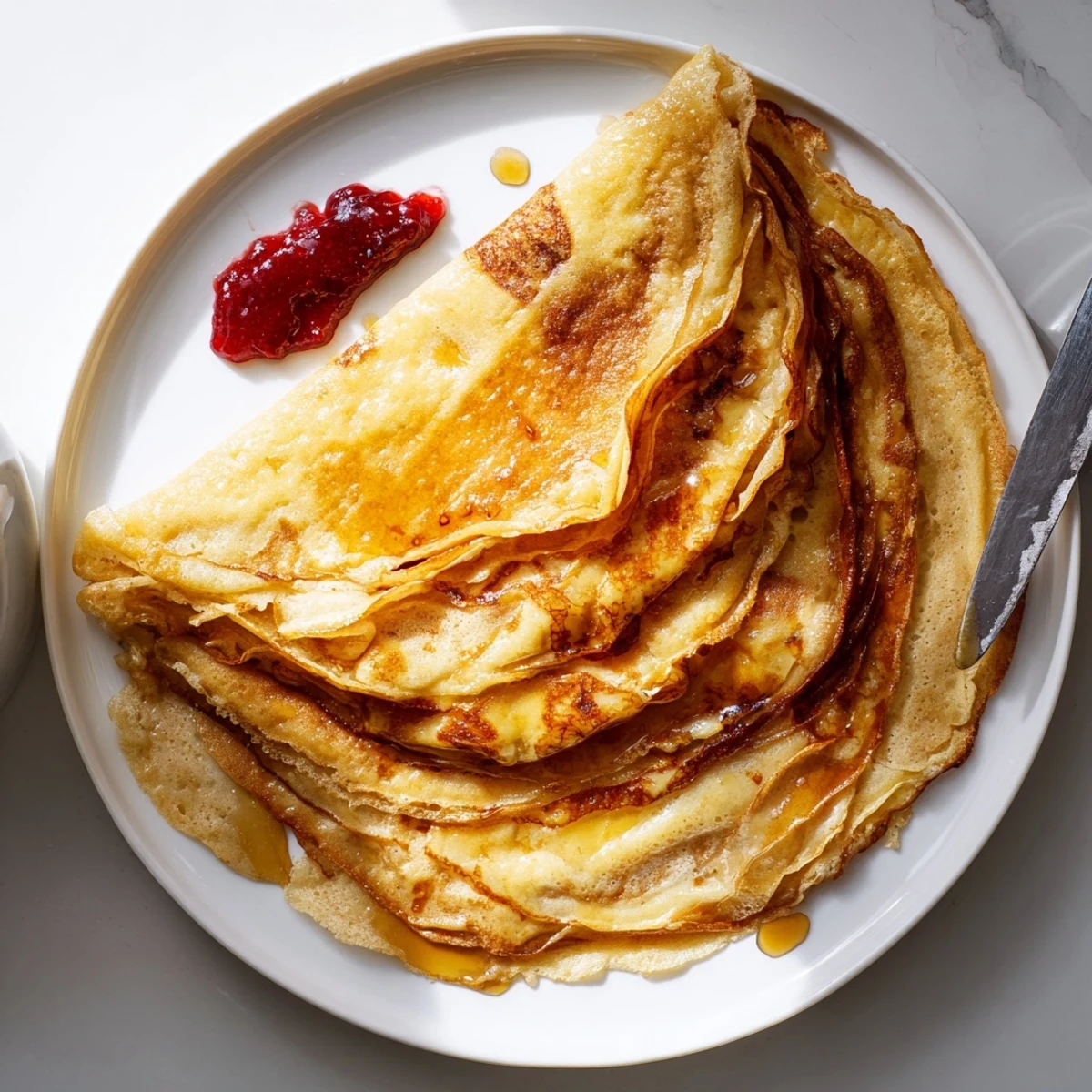
Save Every batch brings me closer to my grandmother is kitchen, those rainy Sunday afternoons, the simple magic of turning basic ingredients into something extraordinary. May your Meloui be flaky, your honey plentiful, and your kitchen filled with warmth.
Recipe FAQs
- → What makes Meloui different from regular pancakes?
-
Meloui features a unique folding technique that creates flaky, layered texture similar to puff pastry. The dough gets stretched thin, brushed with butter and dusted with semolina, then folded multiple times before cooking.
- → Can I make Meloui ahead of time?
-
Yes, Meloui stores well in an airtight container. Reheat on a skillet to restore crispness and flakiness. The folded dough pieces can also be refrigerated before cooking for up to 24 hours.
- → Why is my dough tearing when stretching?
-
The dough needs proper resting time to relax gluten. If it tears, let it rest longer covered with a damp cloth. Greasing your hands and work surface with oil helps prevent sticking and tearing.
- → What can I serve with Meloui?
-
Traditional accompaniments include honey, jam, or powdered sugar. For savory versions, try cheese or herbs. Moroccan mint tea makes the perfect pairing for an authentic breakfast experience.
- → How do I achieve the flaky layers?
-
The key is stretching dough very thin, almost transparent, then generously dotting with softened butter and semolina before folding. Proper resting after folding helps layers develop during cooking.
- → Can I make Meloui dairy-free or gluten-free?
-
Substitute plant-based butter for dairy-free. For gluten-free, use gluten-free flour blends, though texture and flakiness will differ from traditional Meloui made with wheat flour and semolina.