
 Save
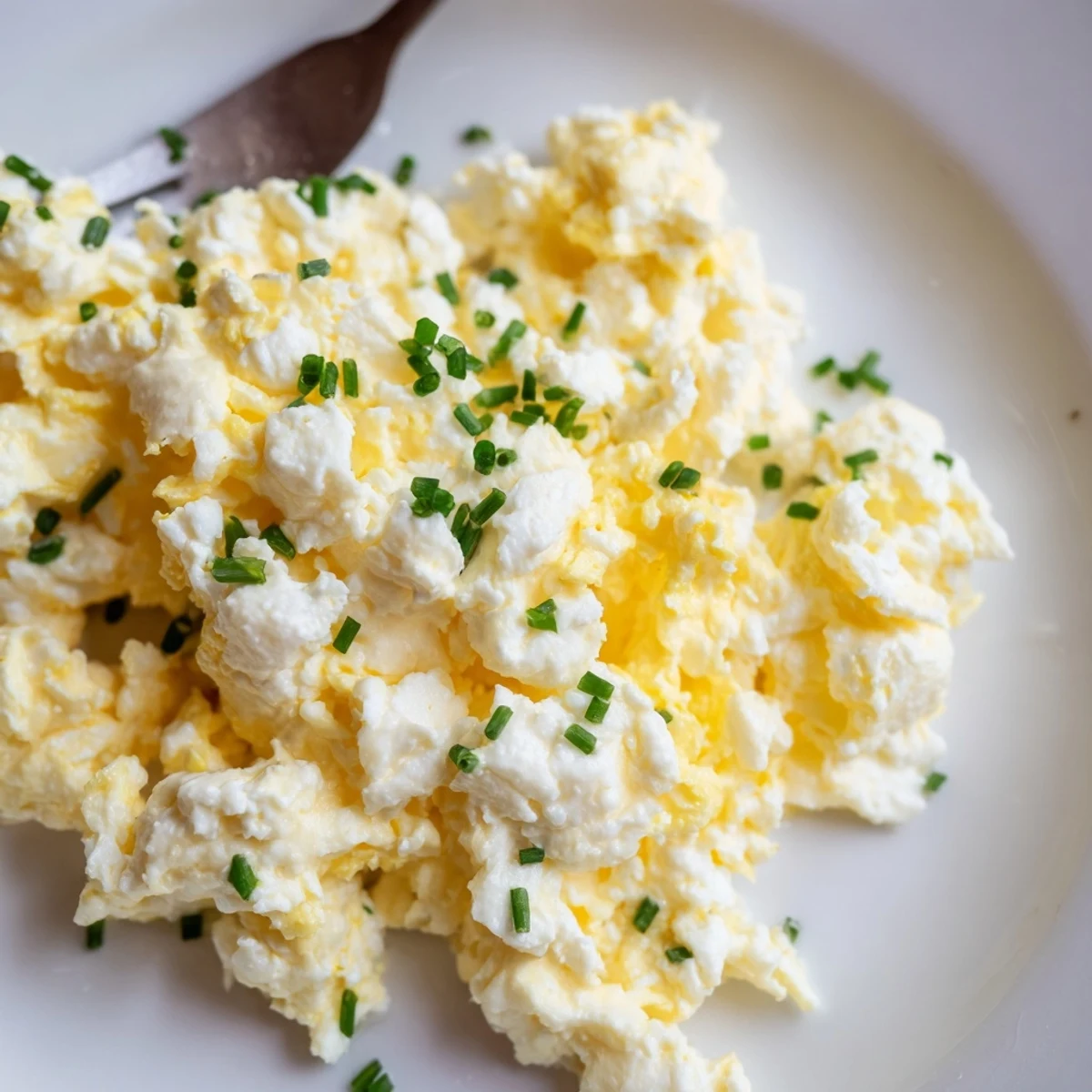
Save Whisk eggs with salt and pepper, fold in cottage cheese and half the chives for extra creaminess. Melt butter in a nonstick skillet and cook over medium-low, stirring gently and scraping the pan until curds are soft and the mixture remains glossy and slightly runny (about 2-3 minutes). Remove from heat early to avoid overcooking and garnish with remaining chives. Serves 2 in 10 minutes; optional add-ins include spinach, smoked salmon, or a splash of cream for extra richness.
The smell of butter hitting a hot pan on a lazy Sunday morning is enough to make anyone stumble out of bed, and these cottage cheese scrambled eggs with chives are worth every second of that half asleep shuffle to the kitchen.
My roommate walked in one morning, saw me dumping cottage cheese into eggs, and gave me a look of pure skepticism that completely vanished after the first bite.
Ingredients
- 4 large eggs: The foundation of the dish, and farm fresh eggs with deep orange yolks will give you the best color and flavor.
- 1/2 cup cottage cheese: Full fat delivers the creamiest result, but low fat works beautifully if that is what you have on hand.
- 1 tablespoon unsalted butter: You want real butter here for that silky coating on the curds, nothing else quite compares.
- 2 tablespoons fresh chives, finely chopped: Their mild onion flavor cuts through the richness and brightens every bite.
- 1/4 teaspoon salt: Adjust to taste, but remember the cottage cheese already brings some sodium to the party.
- 1/8 teaspoon freshly ground black pepper: Always use fresh cracked if possible, the pre ground stuff tastes flat.
Instructions
- Whisk the eggs:
- Crack the eggs into a medium bowl, add salt and pepper, and whisk until the yolks and whites are fully blended with no streaks remaining.
- Fold in the cottage cheese:
- Gently stir in the cottage cheese along with half the chives, keeping a light hand so you do not break down the curds completely.
- Melt the butter:
- Set your nonstick skillet over medium low heat and let the butter melt until it just starts to foam and shimmer without browning.
- Cook low and slow:
- Pour in the egg mixture and use a flexible spatula to gently sweep the bottom and sides, creating soft folds as the eggs begin to set.
- Know when to pull the pan:
- Take the skillet off the heat while the eggs still look slightly wet and glossy, because carryover cooking will finish the job perfectly.
- Finish and serve:
- Sprinkle the remaining chives over the top and slide the eggs onto warm plates immediately while everything is still lush and steamy.
 Save
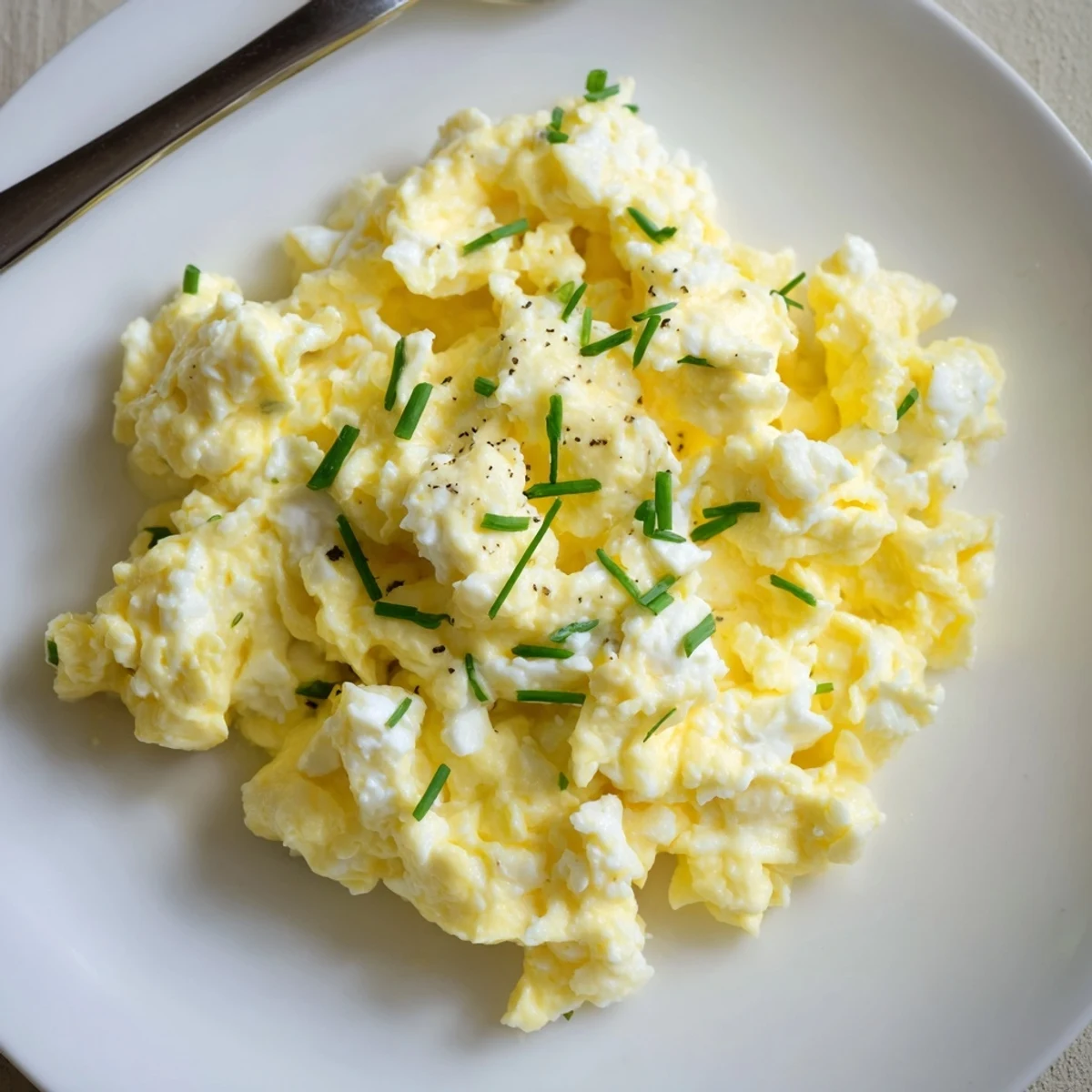
Save That skeptical roommate now requests these eggs every weekend without fail, and I catch her sneaking spoonfuls of cottage cheese straight from the container on weeknights.
What to Serve Alongside
Thick slices of toasted sourdough or rye bread are the obvious and correct choice, because you need something sturdy to scoop up every last bit of that creamy curd.
Smart Swaps and Additions
Ricotta swaps in seamlessly for cottage cheese if you prefer a milder, smoother texture, and a handful of baby spinach or a few strips of smoked salmon folded in at the end turns this into something truly special.
Getting the Texture Right
The beauty of this recipe is how forgiving it is once you understand the rhythm of low heat and patience.
- A splash of cream beaten into the eggs makes them even more luxurious when you want to indulge.
- Always use a nonstick pan and a flexible spatula to keep those delicate curds intact.
- Remember that leftover eggs reheat poorly, so only make what you will eat right away.
 Save
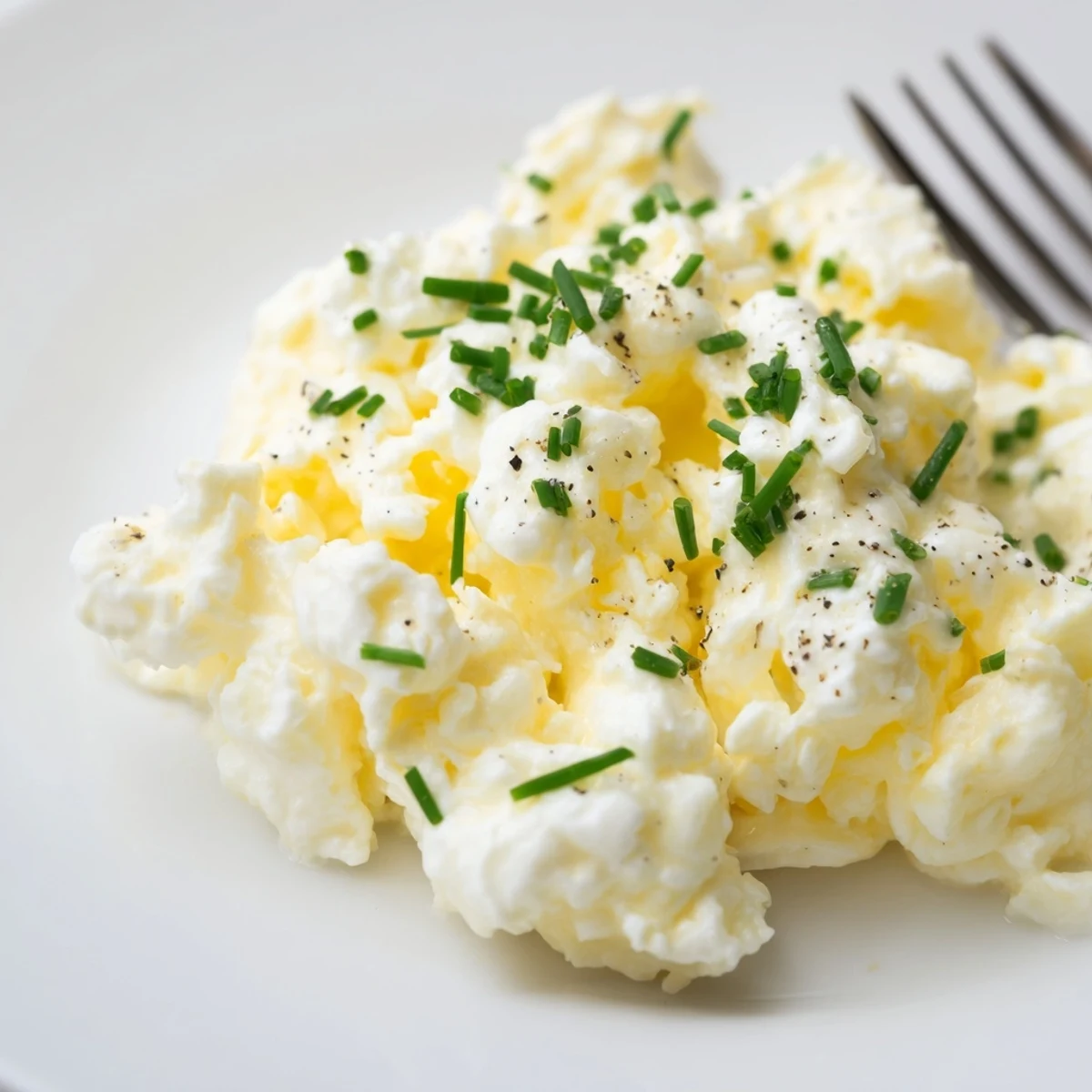
Save Some mornings you just need a breakfast that feels like a small victory, and these creamy, chive flecked eggs deliver exactly that with almost no effort at all.
Recipe FAQs
- → How do I achieve the creamiest texture?
-
Whisk eggs until combined, fold in cottage cheese gently, and cook over medium-low heat while stirring slowly. Remove the pan while the eggs are still slightly runny—the residual heat finishes them, keeping a creamy texture.
- → Can I use low-fat cottage cheese?
-
Yes. Low-fat cottage cheese works but may yield a lighter, less creamy finish; drain any excess whey and consider a small splash of cream or extra butter to enrich the texture.
- → What pan and heat level are best?
-
A nonstick skillet over medium-low heat is ideal. Use butter for flavor and control heat so curds form slowly; fast, high heat creates dry, rubbery eggs.
- → How do I avoid overcooking?
-
Take the pan off the heat while the eggs are still soft and glossy; they’ll continue to cook from carryover heat. Stir gently and remove as soon as larger curds form but remain moist.
- → What are good additions or substitutions?
-
Stir in spinach, smoked salmon, or sautéed mushrooms for variety. Swap cottage cheese for ricotta for a milder, silkier finish, or add fresh herbs like dill or parsley instead of chives.
- → How should leftovers be stored and reheated?
-
Store cooled leftovers in an airtight container in the fridge for up to one day. Reheat gently in a skillet over low heat with a splash of milk or water to restore moisture and avoid drying out.