
 Save
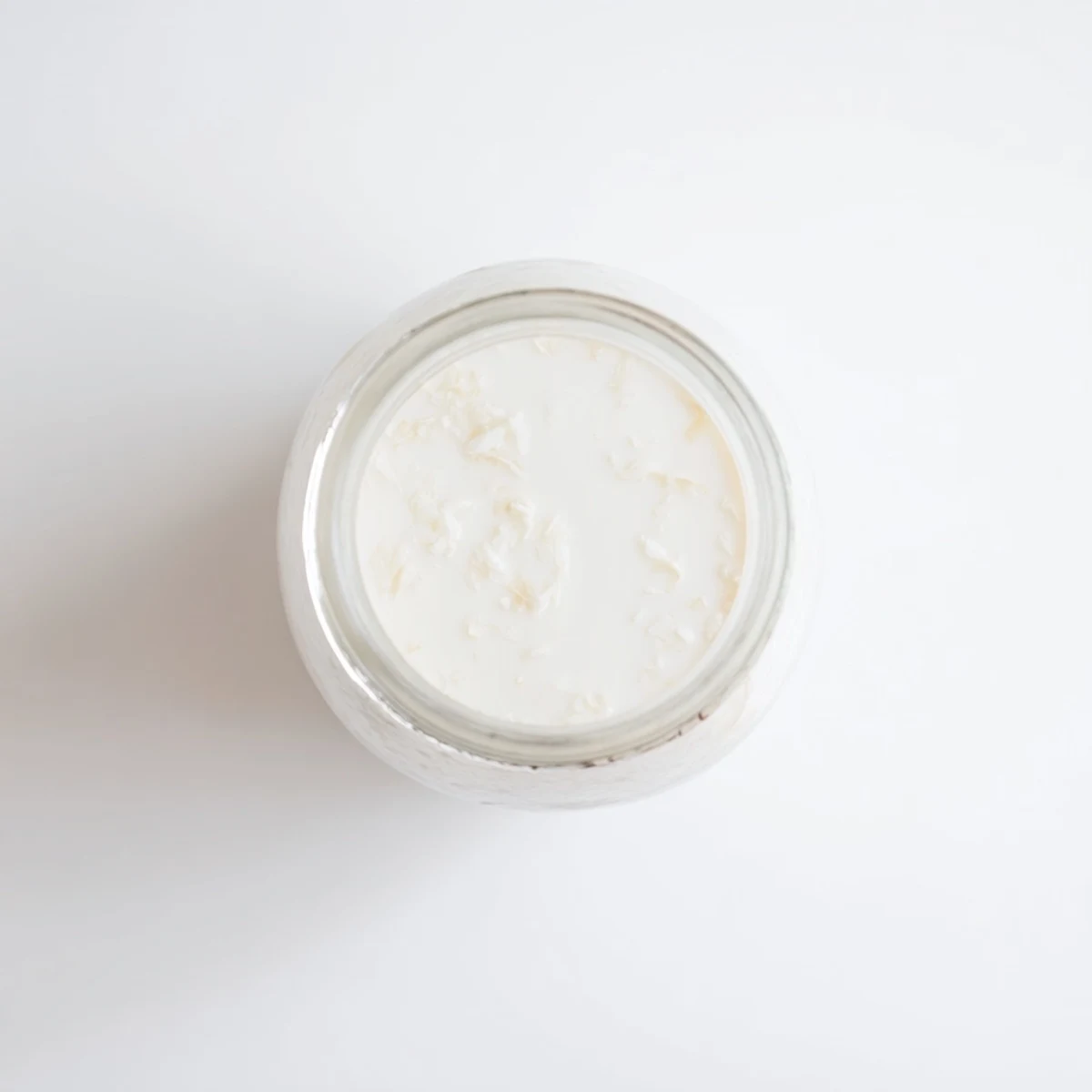
Save Obtenez un lait végétal frais et onctueux en mixant simplement de la noix de coco râpée avec de l'eau chaude. Cette préparation maison sans additifs convient aux régimes vegan, sans gluten et sans lactose.
Le processus est rapide : mixez 2 à 3 minutes, filtrez à l'étamine, et conservez jusqu'à 4 jours au réfrigérateur. Vous pouvez sucrer selon vos préférences avec du sirop d'érable ou du miel.
Utilisez-le dans vos currys, cafés, smoothies ou desserts asiatiques. La pulpe restante séchée rehaussera vos pâtisseries.
Living alone in my first apartment, I discovered the magic of making coconut milk from scratch after one too many expensive store bought cans disappointed me. My tiny kitchen would fill with the most incredible tropical aroma, making even a gray winter morning feel like a beach vacation. Now I keep a batch in my fridge constantly, amazed that something so luxurious comes from just two simple ingredients.
My friend Sophie came over for coffee last month and literally stopped mid sip, demanding to know why my latte tasted like it came from a Parisian café. The look on her face when I pulled out a jar of homemade coconut milk was absolutely priceless. Now she texts me weekly asking if I have any fresh batch ready.
Ingredients
- 200 g unsweetened shredded coconut: The dried flakes release their rich oils when blended with hot water, creating that signature creamy texture you cannot get from coconut milk powder
- 1 liter hot water: Use water that is hot to the touch but not boiling to extract maximum flavor without making the coconut taste cooked or bitter
Instructions
- Blend the coconut:
- Add the shredded coconut to your blender and pour in the hot water. Let it sit for 2 minutes to soften the flakes before blending on high speed for 2 to 3 minutes until the mixture looks homogenous and creamy.
- Strain the milk:
- Carefully pour the mixture through a nut milk bag or clean cheesecloth into a large bowl. Squeeze and press with your hands to extract every last drop of liquid from the pulp.
- Store and enjoy:
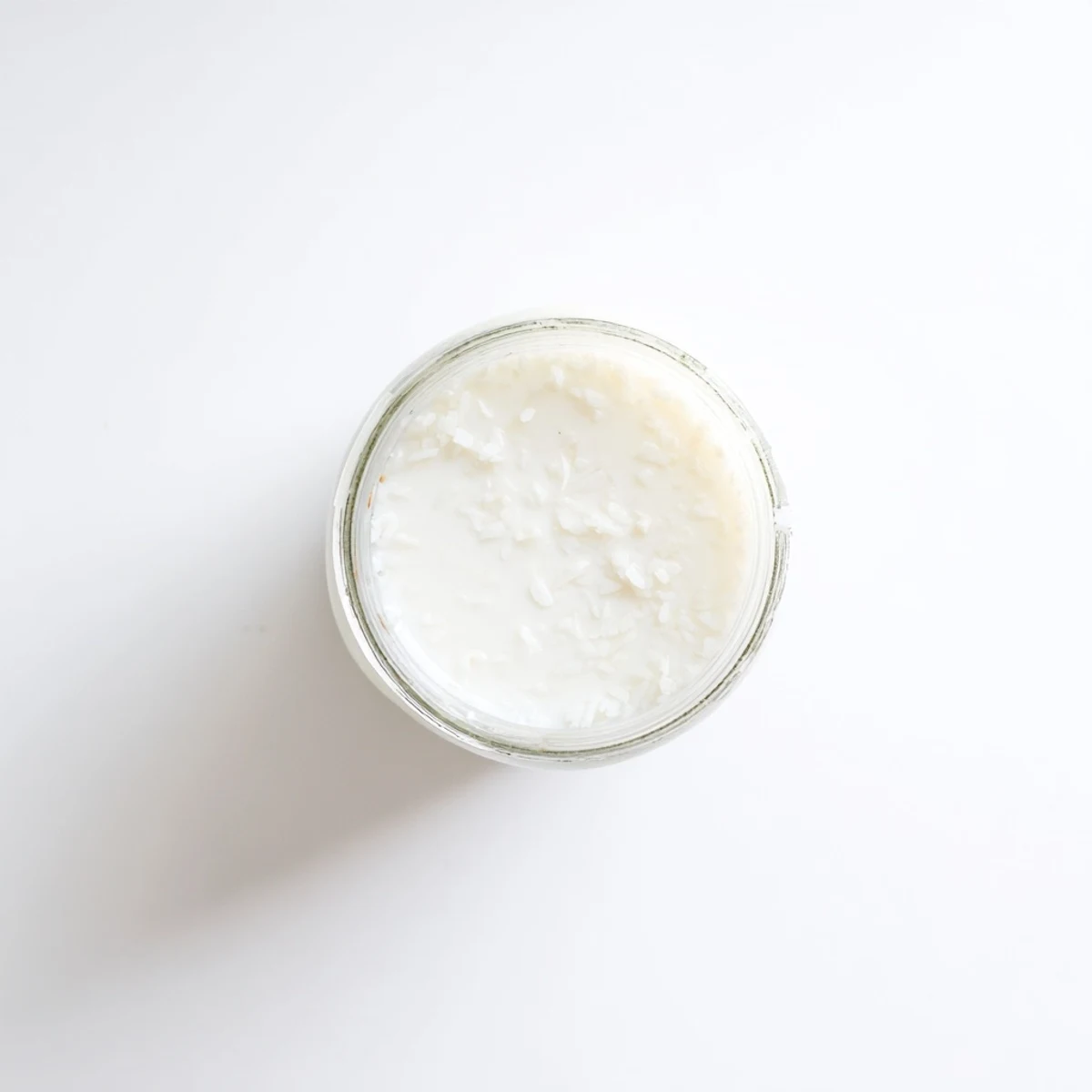
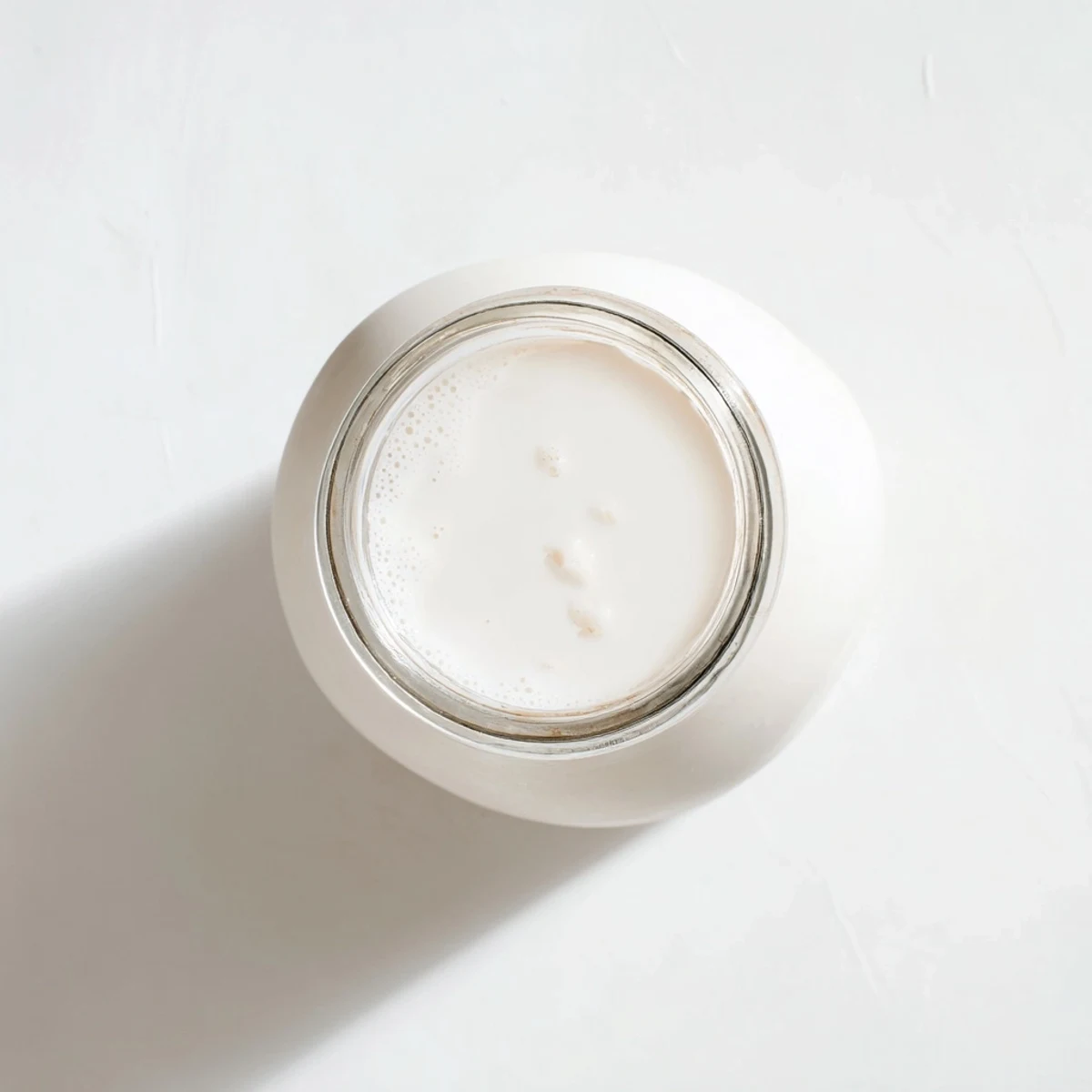
- Pour the fresh coconut milk into a clean glass bottle using a funnel. Keep it refrigerated for up to 4 days and shake well before each use as natural separation occurs.
 Save
Save Last summer I served this coconut milk over fresh mango slices for dessert and my sister actually paused the conversation to take a photo. That simple bowl became the most requested recipe at every family gathering since.
Sweetening Options
The plain version works beautifully in savory curries and smoothies but a touch of maple syrup or honey transforms it into dessert perfection. I add sweetener directly to the blender if I know I will use the batch primarily for coffee and treats.
Equipment Essentials
A high speed blender makes all the difference in extracting maximum flavor from each coconut flake. I learned the hard way that a thin kitchen towel tears under pressure so invest in a proper nut milk bag or doubled cheesecloth.
Using Every Last Bit
That coconut pulp left in your strainer is gold not garbage. Spread it on a baking sheet and dry it at the lowest oven temperature for 2 hours then pulse it into coconut flour for gluten free baking.
- Blend the pulp into your morning smoothie for extra fiber
- Mix dried coconut grounds into homemade granola or energy balls
- Store fresh pulp in the freezer for future baking projects
 Save
Save There is something deeply satisfying about making pantry staples from scratch. Once you taste the difference, store bought coconut milk just will not hit the same way.
Recipe FAQs
- → Quelle température doit avoir l'eau ?
-
L'eau doit être chaude mais non bouillante, environ 60-70°C. L'eau trop chaude peut altérer le goût délicat de la coco.
- → Combien de temps se conserve le lait ?
-
Le lait se garde 4 jours au réfrigérateur dans une bouteille hermétique. Secouez bien avant chaque utilisation car la matière grasse remonte à la surface.
- → Peut-on le congeler ?
-
Oui, versez-le dans des bacs à glaçons ou des petits contenants. Décongelez au réfrigérateur et mélangez vigoureusement avant utilisation.
- → Comment utiliser la pulpe restante ?
-
Étalez-la sur une plaque et séchez au four à bas température. Utilisez cette poudre de coco dans les cookies, granolas ou comme chapelure croustillante.
- → Le lait est-il sucré ?
-
La version de base est naturellement douce. Ajoutez du sirop d'érable, du miel ou du sucre de coco selon vos goûts personnels.
- → Peut-on remplacer l'eau par du lait ?
-
Oui, le lait végétal ou animal donne une texture plus riche. Réduisez alors la quantité de coco pour ne pas obtenir un mélange trop épais.