
 Save
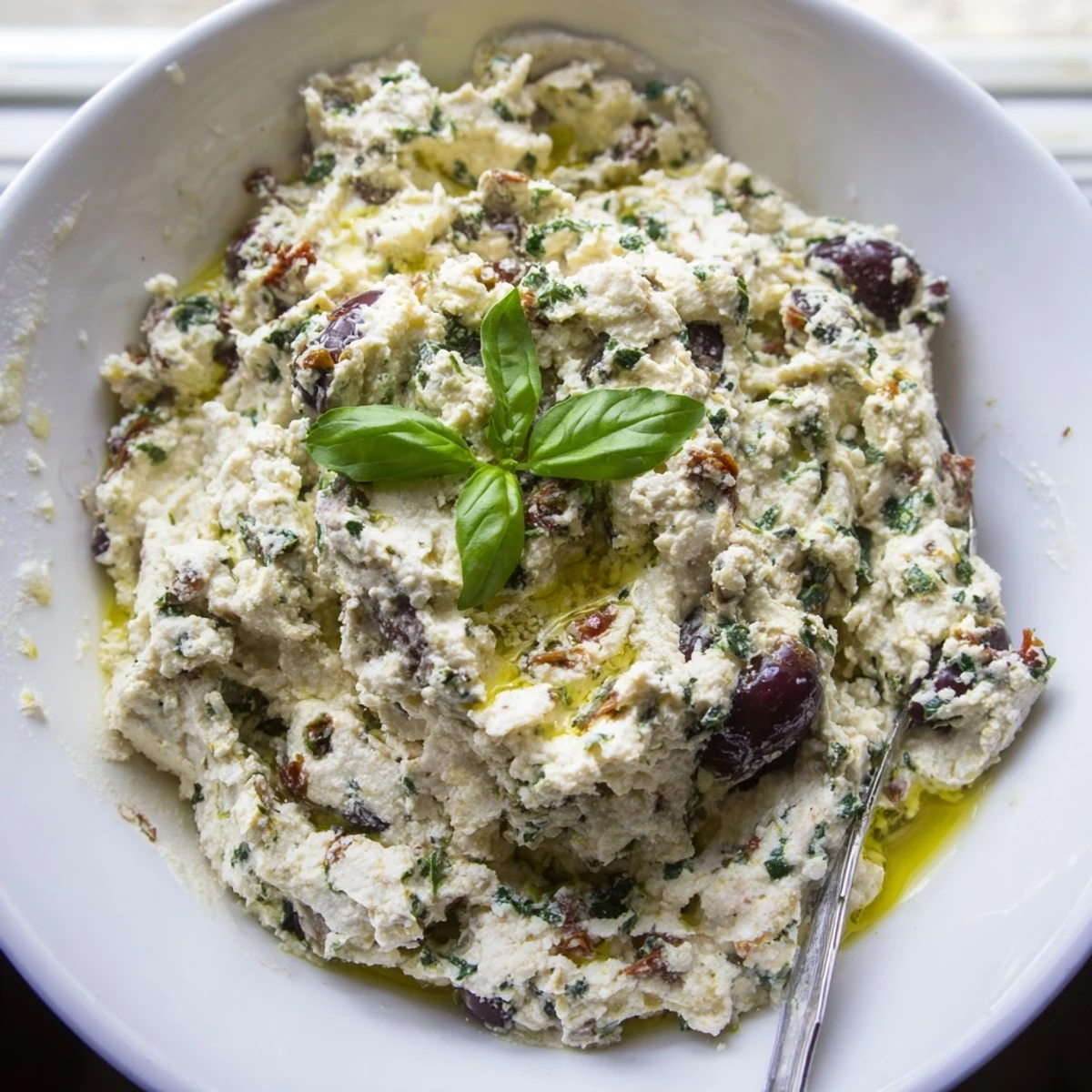
Save This Italian-inspired olive and cheese spread combines cream cheese, ricotta, and Parmesan into a smooth, creamy base loaded with briny olives, sun-dried tomatoes, and fresh herbs.
Ready in just 10 minutes with no cooking required, it's an effortless appetizer that brings Mediterranean flavors to your table.
Serve it with toasted baguette slices, crackers, or crudités for gatherings, or let it chill for an hour to deepen the flavors before enjoying.
The sound of a corkscrew biting into a bottle of Chianti is, in my kitchen, the official start of any decent gathering. Someone is always lingering near the counter looking for something to nibble on before the main event, and this olive and cheese spread has saved me from hungry guests more times than I can count. It comes together in the time it takes the wine to breathe, which is really all the selling point it needs.
One rainy Tuesday evening my neighbor walked in unannounced with a baguette and a problem she needed to talk through. I whipped this spread together while she unloaded her story, and by the time she finished talking half the bowl was gone and the baguette was nothing but crumbs on the cutting board.
Ingredients
- Cream cheese (200 g, room temperature): The backbone of the spread, and it must be softened or you will be fighting lumps all afternoon.
- Ricotta cheese (100 g): Lightens the texture so the spread is fluffy rather than dense, giving it an almost whipped quality.
- Grated Parmesan cheese (50 g): Adds a salty, nutty depth that ties everything together and makes it taste distinctly Italian.
- Mixed Italian olives, pitted and coarsely chopped (100 g): Use a combination of green and black for color and complexity, and chop them by hand for the best texture.
- Sun-dried tomatoes, finely chopped (2 tbsp): Little jewels of concentrated sweetness that break up the saltiness beautifully.
- Garlic, minced (1 small clove): One clove is plenty here because raw garlic can quickly overpower a delicate cheese spread.
- Fresh basil, finely chopped (2 tbsp): This is where the perfume of the whole dish comes from, so please use fresh and not the dried stuff.
- Fresh parsley, chopped (1 tbsp): Adds a clean, grassy note that keeps the basil from being lonely.
- Dried oregano (half tsp): A small amount goes a long way and brings that earthy Mediterranean warmth.
- Freshly ground black pepper (quarter tsp) and salt to taste: Season gradually because the olives and Parmesan already contribute significant salt.
- Extra basil leaves and a drizzle of extra-virgin olive oil for garnish: The finishing drizzle is not optional, it is what makes people lean in for a closer look.
Instructions
- Marry the cheeses:
- Plop the cream cheese, ricotta, and Parmesan into a medium mixing bowl and stir with a spatula until you have a smooth, unified base with no cream cheese streaks remaining.
- Fold in the good stuff:
- Add the chopped olives, sun-dried tomatoes, and minced garlic, then stir gently so everything is scattered evenly through the cheese rather than clumped in one spot.
- Season with intention:
- Mix in the fresh basil, parsley, dried oregano, and black pepper, tasting as you go and adding salt only if the olives and Parmesan have not already done the heavy lifting.
- Make it presentable:
- Scoop the spread into a serving bowl, smoothing the top with the back of your spoon, then tuck a few basil leaves over the surface and finish with a generous drizzle of good olive oil.
- Serve and watch it disappear:
- Set it out with toasted baguette slices, sturdy crackers, or crisp vegetable sticks, though if you can resist eating it straight from the bowl you have more restraint than anyone in my household.
 Save
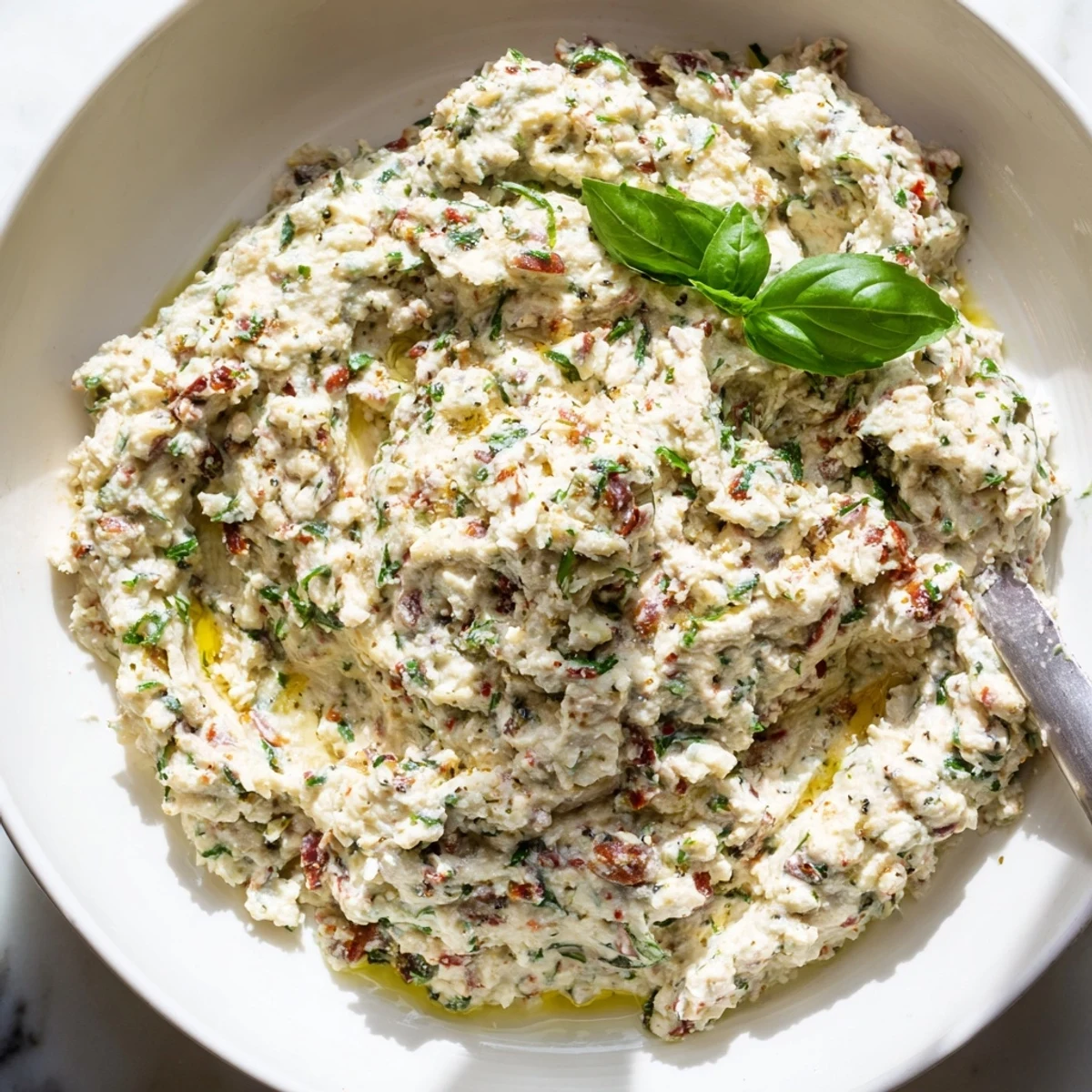
Save There is something quietly wonderful about a recipe that asks nothing of you except to stir things together in a bowl. No oven, no timing, no stress, just cheese and olives becoming something greater than the sum of their parts.
Swaps That Actually Work
Mascarpone makes the spread noticeably richer and silkier, which is lovely for a more indulgent occasion, while goat cheese pushes it in a tangy direction that pairs brilliantly with the olives. I once used a mix of kalamata and Castelvetrano olives and the contrast of briny and buttery was so good I have never gone back to a single variety.
What to Serve Alongside
A glass of Pinot Grigio or a medium-bodied Chianti sits beside this spread like an old friend, and a few scattered cured meats or marinated vegetables turn it into a full antipasto spread without any extra effort. For a spicy kick that wakes everything up, fold in a pinch of crushed red pepper at the seasoning stage.
Storing and Making Ahead
This spread is one of those rare things that tastes better the next day, making it a perfect candidate for preparing the night before a party. Keep it covered tightly in the refrigerator and give it a quick stir and a fresh drizzle of olive oil before serving.
- Leftovers stay fresh in an airtight container for up to three days.
- Avoid freezing because the texture of the cheeses will separate and turn grainy when thawed.
- Always taste for salt again after chilling because cold temperatures mute flavors.
 Save
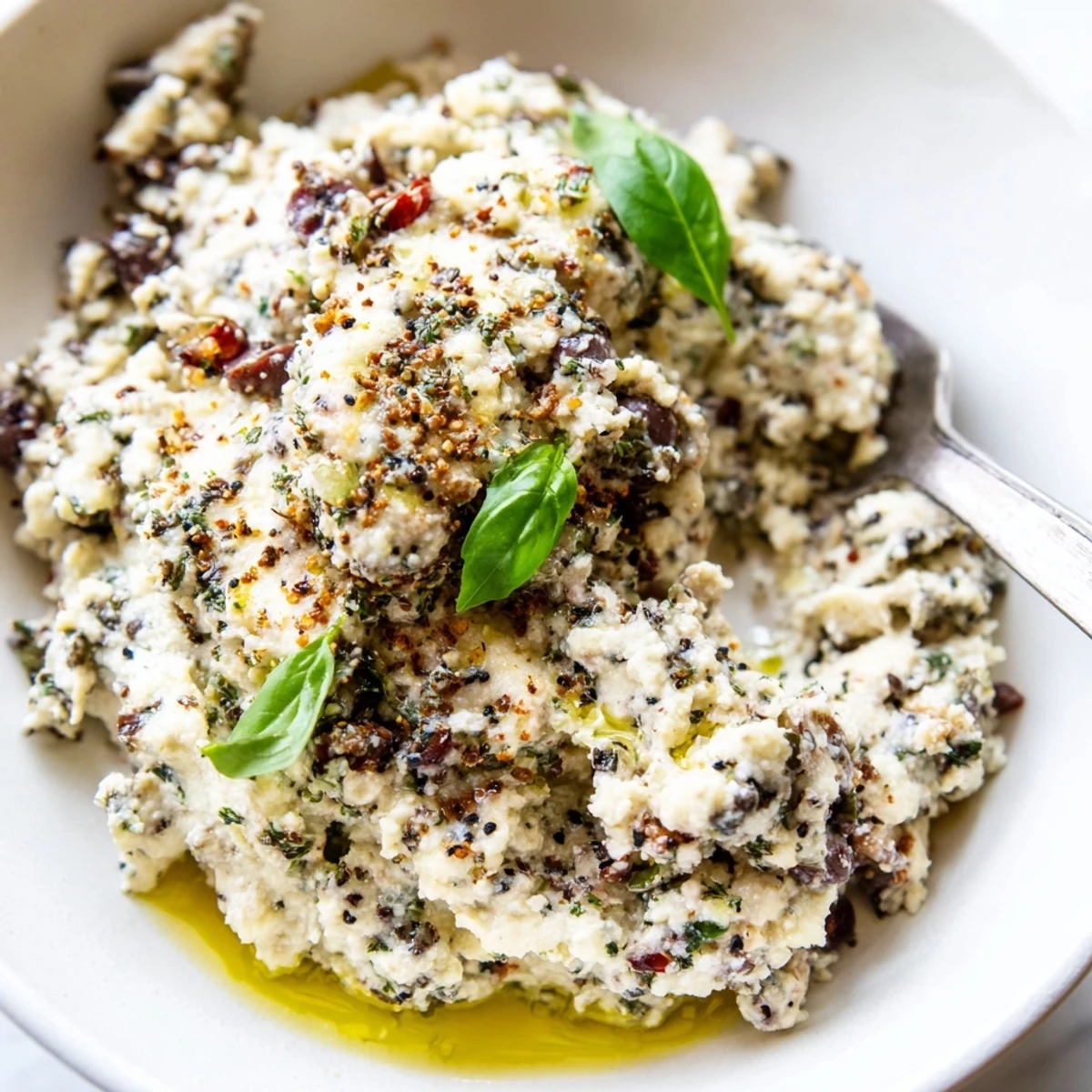
Save Keep this one in your back pocket for those evenings when the doorbell rings and you need something generous and effortless on the table. It never lets you down, and the bowl always comes back empty.
Recipe FAQs
- → Can I make this spread ahead of time?
-
Yes, this spread actually benefits from resting. Cover and refrigerate for up to 24 hours before serving to allow the flavors to meld together beautifully.
- → What type of olives work best?
-
A mix of Italian olives like Castelvetrano, Kalamata, and Gaeta provides the best balance of briny, buttery, and tangy flavors. Make sure to pit them before chopping.
- → Can I use dried herbs instead of fresh?
-
Fresh herbs are recommended for the best flavor, but in a pinch you can use dried. Reduce the quantity to about one-third since dried herbs are more concentrated in flavor.
- → How long do leftovers last in the fridge?
-
Store leftovers in an airtight container in the refrigerator for up to 3 days. Let it sit at room temperature for about 15 minutes before serving to soften the cheese.
- → What can I substitute for ricotta cheese?
-
Mascarpone makes a richer spread, while goat cheese adds a pleasant tanginess. You could also use strained Greek yogurt for a lighter option with similar creaminess.
- → Is this spread suitable for a gluten-free diet?
-
The spread itself is gluten-free. Just serve it with gluten-free crackers, rice cakes, or vegetable crudités instead of baguette slices to keep the entire dish gluten-free.