
 Save
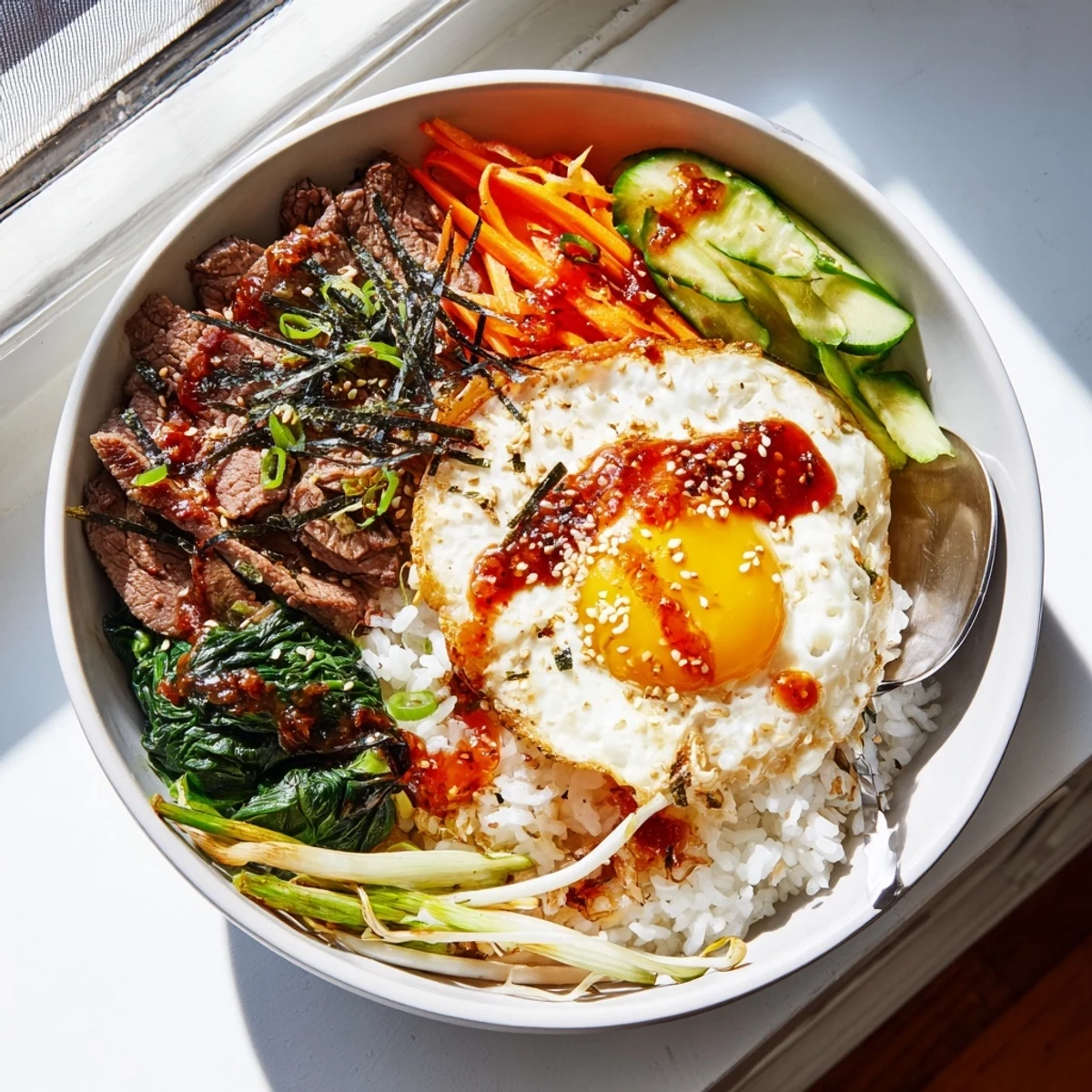
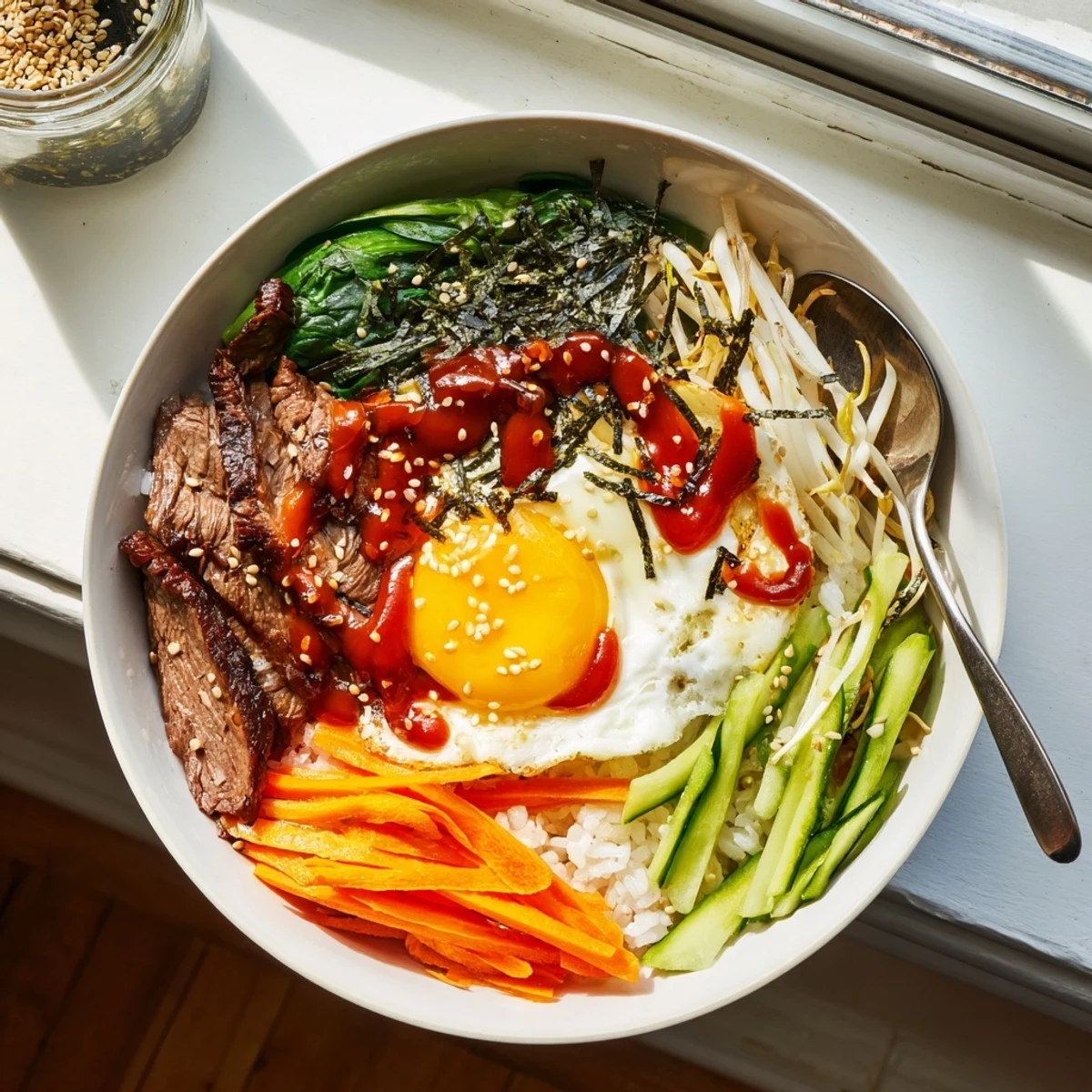
Save This hearty breakfast bowl brings together the bold flavors of Korean cuisine in a satisfying morning meal. Thinly sliced beef is marinated in soy, sesame, and aromatics before being quickly seared to perfection. The base of warm short-grain rice supports an array of textures: wilted spinach, crisp julienned carrots, refreshing cucumber, and blanched bean sprouts. A sunny-side up egg with a golden runny yolk sits at the center, ready to create a rich sauce when broken. The finishing touch is a homemade spicy-sweet gochujang glaze that ties everything together with its signature Korean chili depth.
My roommate in college used to make these elaborate breakfast bowls after late-night study sessions, and I'd watch from the doorway, half asleep, as she assembled these colorful creations. She insisted that breakfast needed to be exciting, not just fuel, and this Korean-inspired bowl became our weekend ritual. The runny yolk mixing with spicy gochujang sauce changed everything I thought about morning food. Now it's the first thing I crave when I want breakfast to feel like an event.
Last winter my sister came to visit and I made this for her on a gray Sunday morning. She took one bite, eyes wide, and immediately demanded I teach her the sauce recipe. We spent the rest of the morning experimenting with different toppings, laughing when we accidentally made the sauce too spicy and had to dilute it with more honey. Now she texts me photos every time she makes it, which is basically every weekend since that visit.
Ingredients
- Thinly sliced beef sirloin or ribeye: The marbling in ribeye melts beautifully during cooking, but sirloin gives you that classic beefy flavor without breaking the bank
- Soy sauce and sesame oil: This dynamic duo creates the foundation of the marinade, with soy providing salt and depth while sesame oil adds that irresistible nutty aroma
- Brown sugar: A little brown sugar helps the beef caramelize nicely and balances the saltiness from the soy sauce
- Fresh garlic and ginger: These aromatics are non negotiable for authentic Korean flavors, and freshly grated ginger makes a huge difference compared to the bottled stuff
- Baby spinach: Spinach wilts quickly and pairs perfectly with the rich beef, plus it adds a vibrant pop of green to your bowl
- Julienned carrot and cucumber: These provide satisfying crunch and refreshing contrast to the warm beef and rice
- Bean sprouts: Their fresh, slightly sweet crunch and quick cooking time make them perfect for this bowl
- Cooked short grain white rice: Short grain rice is stickier and clumps together slightly, which helps it soak up all those delicious sauces and runny yolks
- Large eggs: Fried sunny side up so the yolks stay runny and create that creamy sauce when mixed into the rice
- Gochujang: This Korean fermented chili paste is the soul of the dish, bringing heat, sweetness, and deep umami all at once
- Honey or sugar: The honey rounds out the sharp edges of the gochujang and makes the sauce glossy and clingy
- Toasted sesame seeds and nori: These finishing touches add restaurant presentation and an extra layer of savory crunch
Instructions
- Marinate the beef:
- Whisk together soy sauce, sesame oil, brown sugar, garlic, ginger, and rice vinegar until the sugar dissolves. Add the sliced beef and toss until every piece is coated, then let it sit for at least 15 minutes while you prep everything else.
- Cook the beef:
- Heat your skillet over medium high heat until it's nice and hot. Add the marinated beef in a single layer and let it sear for about 2 minutes per side until browned and cooked through. Remove it from the pan and set it aside on a plate.
- Prep the vegetables:
- Give your spinach a quick toss in the same hot pan just until it wilts, about 1 minute. Blanch your bean sprouts in boiling water for literally 1 minute, then drain them immediately.
- Fry the eggs:
- Wipe out your skillet and heat it over medium heat. Crack in your eggs and let them cook until the whites are completely set but the yolks still jiggle when you shake the pan.
- Make the sauce:
- Whisk together gochujang, honey, water, sesame oil, and rice vinegar until smooth. The sauce should be thick enough to coat a spoon but thin enough to drizzle easily.
- Assemble your bowls:
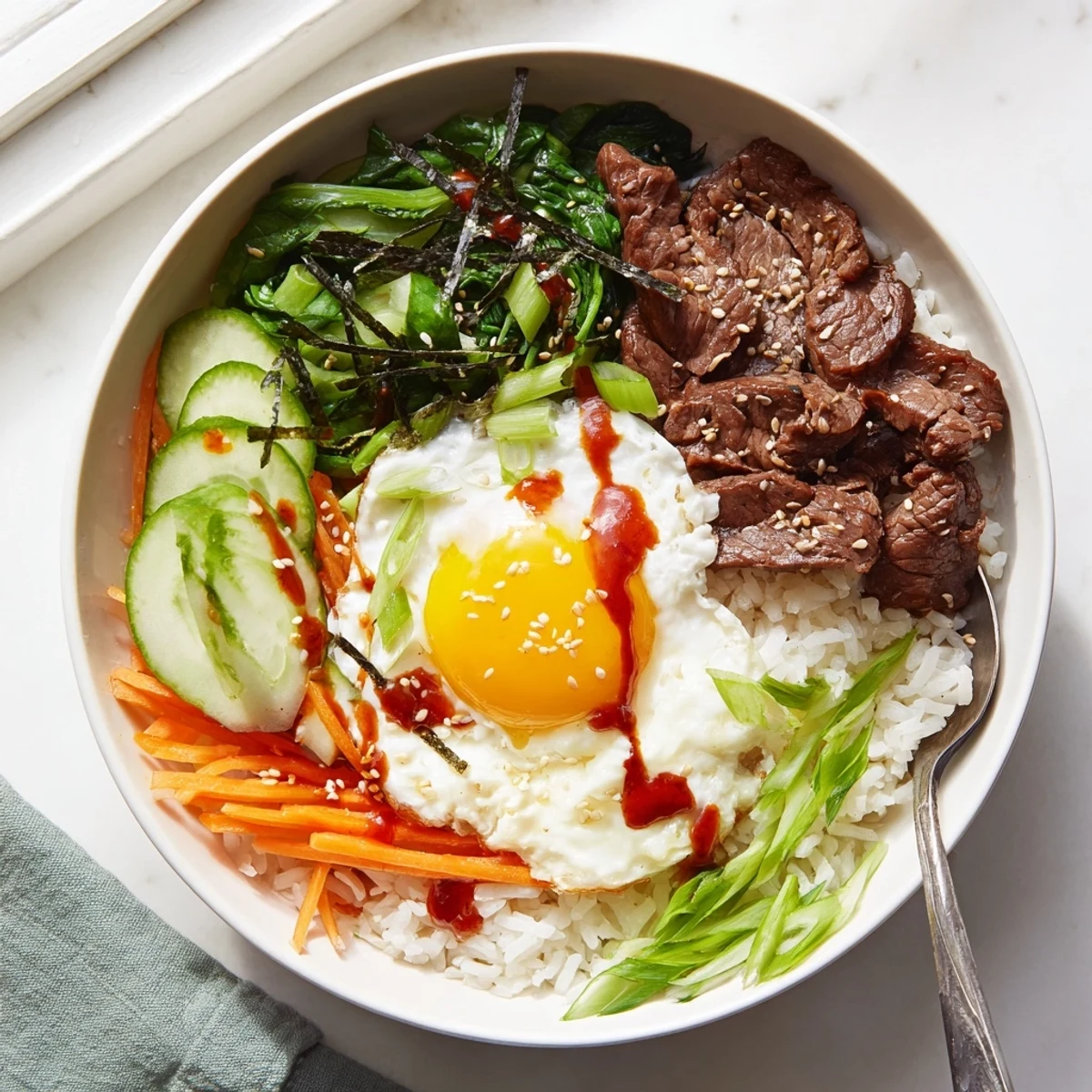
- Divide the warm rice between two bowls. Arrange your beef, spinach, carrot, cucumber, bean sprouts, and green onions in separate sections on top like a rainbow. Nestle a fried egg right in the center of each bowl.
- Finish and serve:
- Drizzle that beautiful gochujang sauce over everything, then sprinkle with sesame seeds and nori strips. Bring the bowls to the table immediately and let everyone break their own yolks.
 Save
Save This bowl became my go to comfort food during a particularly stressful month at work. Something about taking ten minutes to arrange all the components beautifully made me slow down and appreciate the process. My coworkers started asking what I was eating for breakfast because I kept posting photos, and now three of them make this regularly too.
Making It Your Own
The beauty of this bowl is how adaptable it is to whatever you have in your refrigerator. I've made it with leftover grilled steak, rotisserie chicken, and even marinated tofu when I wanted a vegetarian version. Sometimes I'll add pickled vegetables for extra tang or a handful of kimchi if I have it on hand.
Perfecting the Fried Egg
A perfectly fried sunny side up egg with set whites and runny yolks takes some practice. Keep your heat at medium and resist the urge to fiddle with the eggs while they cook. If you're having trouble getting the whites to set without overcooking the yolks, try covering the pan with a lid for the last minute.
Sauce Secrets
The gochujang sauce is what ties everything together, so getting the consistency right matters. Start with less water than you think you need because you can always thin it out. The sauce will seem thick at first but will loosen up slightly when it hits the warm rice.
- Make double the sauce and keep it in the refrigerator for up to two weeks
- Add a splash of rice vinegar if the sauce tastes too flat or needs more brightness
- Taste your sauce before serving because different brands of gochujang vary in sweetness and heat
 Save
Save There's something deeply satisfying about a breakfast that looks this impressive and tastes even better. I hope this bowl becomes part of your morning ritual too.
Recipe FAQs
- → Can I prepare components ahead of time?
-
Yes, you can marinate the beef overnight and chop vegetables in advance. Cook rice just before assembling and fry eggs fresh for best results. The gochujang sauce can be made up to a week ahead and stored refrigerated.
- → What cut of beef works best?
-
Thinly sliced sirloin or ribeye are ideal for quick cooking and tenderness. You can ask your butcher to slice it paper-thin, or freeze the meat briefly for easier slicing at home.
- → Is gochujang very spicy?
-
Gochujang offers moderate heat with sweet and savory undertones. Start with less sauce and adjust to your preference. The spice level can be tempered with additional honey or sesame oil.
- → Can I make this vegetarian?
-
Certainly. Replace the beef with firm tofu, shiitake mushrooms, or tempeh prepared with the same marinade. Use a vegetarian fish sauce substitute or additional soy sauce for depth of flavor.
- → What other vegetables can I add?
-
Traditional options include pickled radish, zucchini, or bok choy. Avocado adds creaminess, while kimchi brings probiotic benefits and authentic Korean flavor. Use whatever fresh vegetables you enjoy.
- → Can I use brown rice instead?
-
Absolutely. Brown rice adds fiber and nutty flavor, though it requires longer cooking time. Quinoa or cauliflower rice are also excellent alternatives for different nutritional needs.