 Save
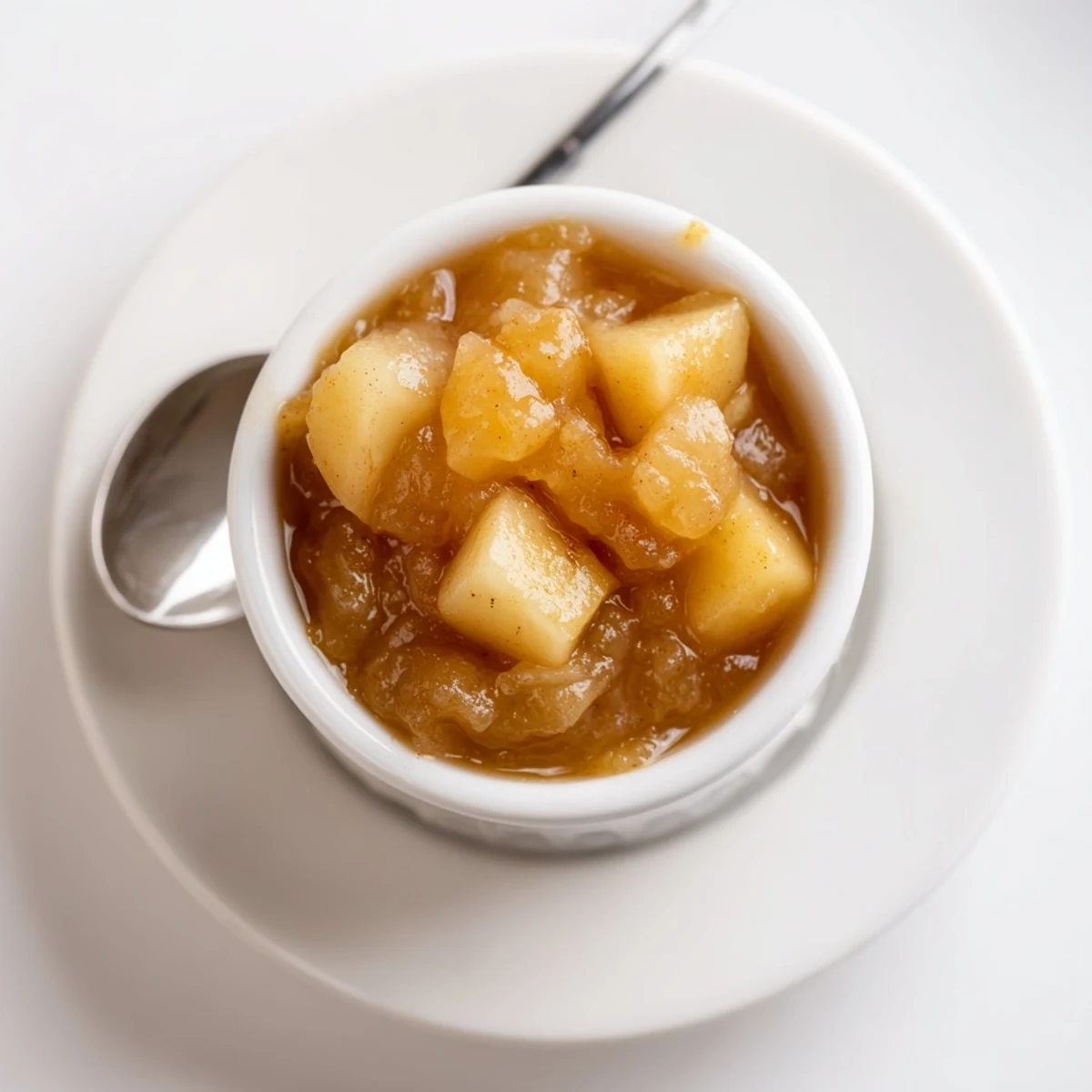
Save Start by simmering chopped apples with lemon juice, apple cider and a little water until tender, then mash slightly to retain small chunks. Stir in granulated and brown sugars, warm spices and butter, cooking gently until the mixture turns a golden caramel color (about 20–25 minutes). Add liquid pectin, boil 1–2 minutes, skim foam, ladle into sterilized jars with 1/4-inch headspace and process in a boiling water bath for shelf-stable jars.
Caramel apple jam started as a happy accident in my kitchen, the kind where the smell of bubbling sugar and fruit clings to your sweater long after you’re done. One blustery afternoon with apples stacking up in my fruit basket, I craved something cozier than just pie. The first batch sputtered and steamed while cinnamon wafted boldly through the house, turning a regular Thursday into something almost festive. Now, the ritual of spooning golden jam onto toast has become its own little autumn celebration around here.
One October, I made a double batch of this jam with my sister, trading stories and laughter as the apples softened and the caramel deepened to a warm amber. We ended up with sticky fingers, a few caramel splatters on the stovetop, and six jars to share with everyone we loved that Thanksgiving.
Ingredients
- Apples: A mix of tart and sweet apples like Honeycrisp or Granny Smith gives the jam depth; chop them evenly so they cook down at the same pace.
- Lemon juice: Brightens the flavor and keeps the apples from browning before cooking begins.
- Granulated sugar: Essential for both sweetness and the caramelization; I learned to let it fully dissolve before adding the butter.
- Light brown sugar: Adds that deep, molasses-style caramel undertone that makes this jam special.
- Unsalted butter: Cubed and added at just the right moment, butter gives the jam a creamy finish—don’t rush this step.
- Ground cinnamon, nutmeg, allspice, salt: The classic fall spice blend, each plays its part; measure carefully for balance.
- Liquid pectin: Crucial for that luscious, spoonable set; add it when the jam is at a full boil.
- Apple cider or apple juice: For layered apple flavor, and a bit of extra liquid so nothing scorches early on.
- Water: Just enough to start the apples stewing and prevent sticking.
Instructions
- Simmer Apples:
- Add chopped apples, lemon juice, cider, and water to a heavy pot; let the mixture steam gently while you stir, breathing in that first hit of apple aroma.
- Mash for Texture:
- Use a potato masher or immersion blender to mash the softened apples, leaving just enough chunky bits for hearty texture.
- Sugar and Spices:
- Pour in both sugars and all your spices with a confident hand; stir until everything is dissolved and the blend is glossy.
- Caramelize with Butter:
- Add the cubed butter now and watch as the jam starts to glisten and deepen; keep stirring gently so nothing burns—slow caramel is key here.
- Pectin and Boil:
- Cue the bubbling boil, then add your pectin and stir; this is when the house smells like caramel apples on parade.
- Jar and Process:
- Carefully ladle piping-hot jam into sterilized jars, wipe the rims, and process in a hot water bath; listen for those satisfying pops as the jars seal.
- Cool and Store:
- Let the jars cool undisturbed, then stash them somewhere cool and dark; the jam gets even better with a little patience.
 Save
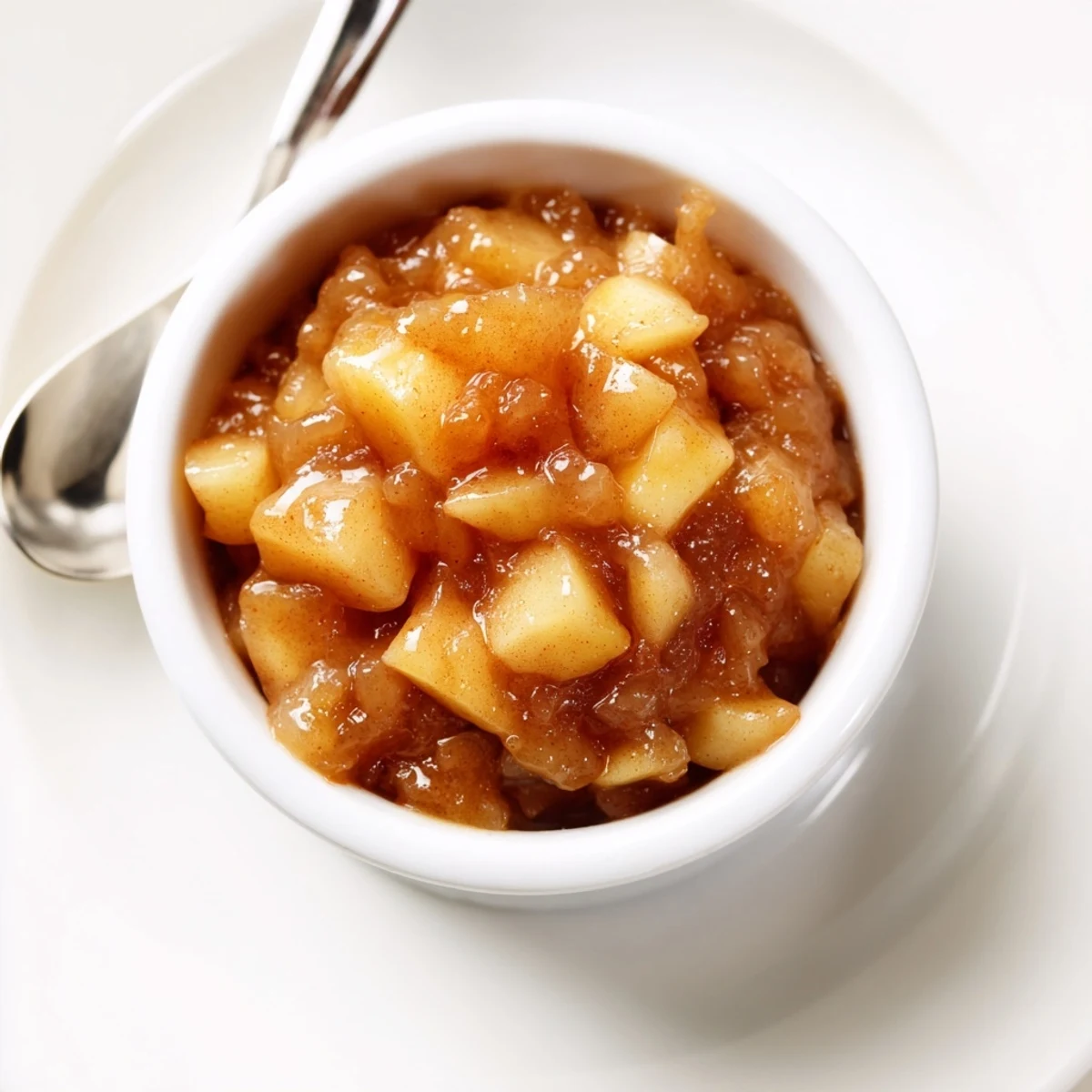
Save I knew this jam had found a place in my heart the first time my neighbor raved after her kids begged for "just one more spoonful" straight from the jar on a chilly afternoon.
How To Prevent Runny Jam
When I started making preserves, my jams would sometimes turn out syrupy no matter how closely I watched the clock. Over time, I realized that a real rolling boil (the kind you can’t stir down) is key for setting the pectin and avoiding a runny finish.
Swaps And Variations
If you’re feeling adventurous, swap a couple apples for ripe pears to add mellow complexity, or sprinkle in a pinch more spice if you like an extra warming note in each bite. One time I even tried using apple juice instead of cider, and it worked beautifully but tasted a touch lighter—fun for breakfast jams.
Serving Suggestions That Shine
I love serving this jam piled high on sourdough toast, dolloped over warm oatmeal, or tucked inside puff pastry for a quick, cheery treat. It also makes an incredible filling for thumbprint cookies or a drizzle over vanilla ice cream.
- Label your jars for a thoughtful gift.
- Stir a spoonful into yogurt for a breakfast twist.
- Keep an eye out for foam—skimming it keeps your jam clearer.
 Save
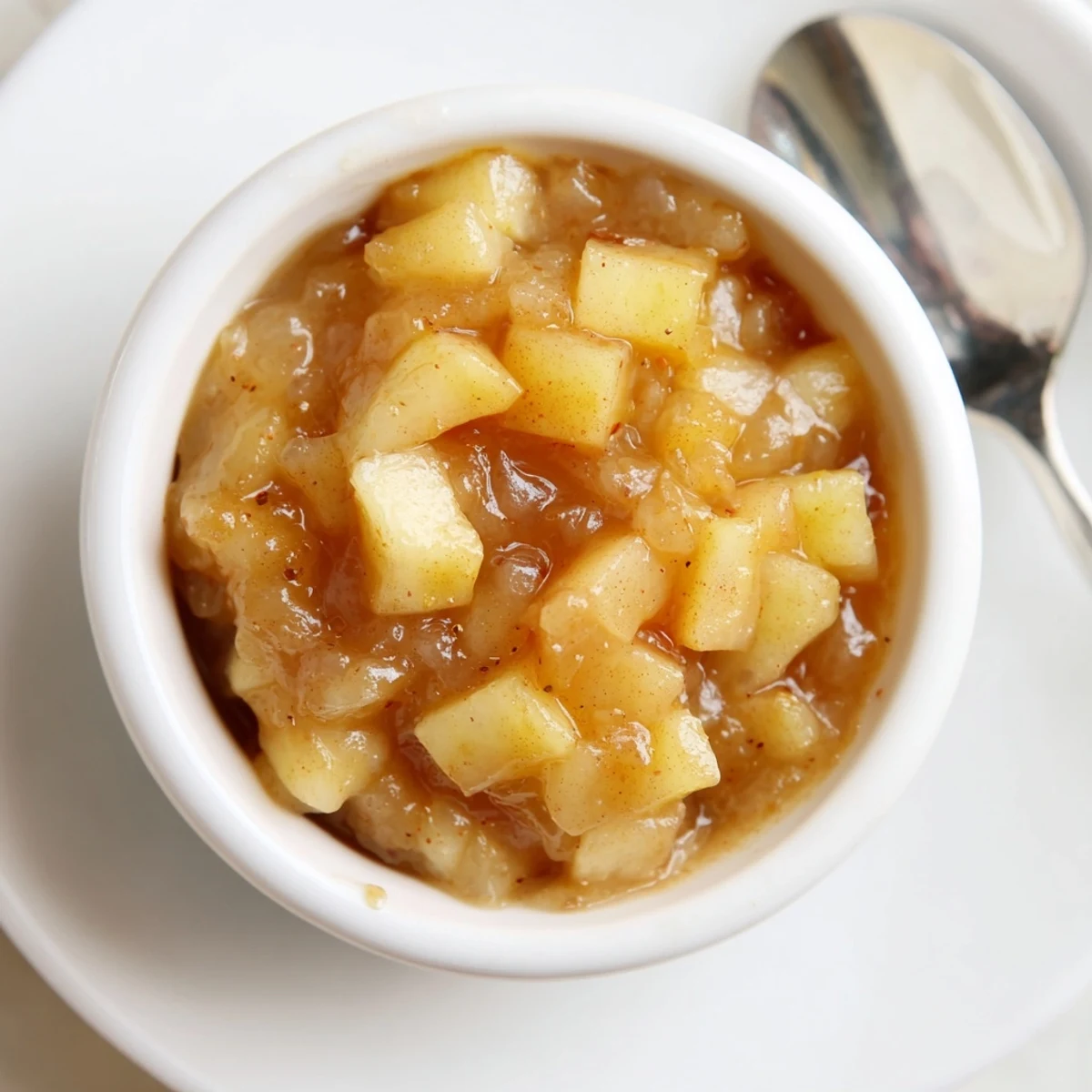
Save Homemade caramel apple jam never lasts long on my shelf—may your kitchen be filled with sweet scents and happy spoons. Share a jar, and you might just find a new fall tradition.
Recipe FAQs
- → Which apples give the best texture and flavor?
-
Use a mix of crisp, tart apples like Granny Smith and sweeter varieties such as Honeycrisp to balance acidity and sweetness while keeping some tender chunks after cooking.
- → How can I deepen the caramel flavor?
-
For richer caramel notes, cook the sugars separately to a light amber before stirring into the apples, or increase the brown sugar slightly and allow longer gentle cooking to develop a deeper color.
- → Is pectin necessary for thickening?
-
Liquid pectin reliably sets this high-juice preserve quickly and gives a consistent gel. Without pectin, cook much longer to reduce liquid, but texture and shelf stability may vary.
- → How long do sealed jars keep?
-
Properly processed and sealed jars stored in a cool, dark place will keep for up to 12–18 months; refrigerate after opening and use within a few weeks.
- → How do I prevent scorching during cooking?
-
Use a heavy-bottomed pot, keep heat at medium to medium-low, stir frequently and scrape the bottom gently. Removing from heat briefly if browning too fast helps avoid burnt flavors.
- → Can I omit the butter for a dairy-free version?
-
Omitting butter reduces richness; substitute a neutral oil or a dairy-free butter for similar mouthfeel, though flavor will be slightly different from the original caramel note.