
 Save
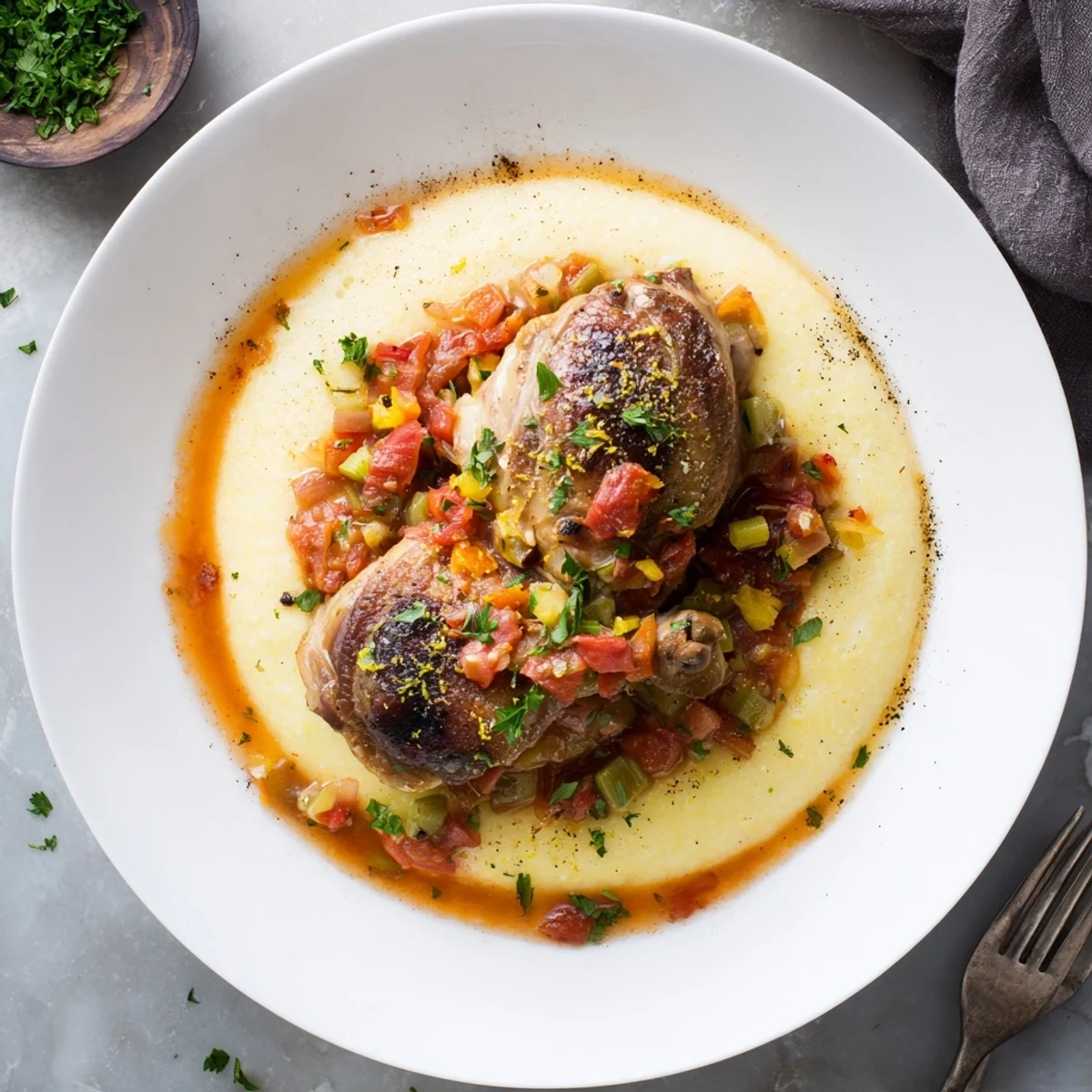
Save This osso bucco-style chicken features bone-in thighs browned and braised with onion, carrot, celery, garlic, diced tomatoes, white wine and stock until very tender. Prep is about 20 minutes and cooking around 1 hour 20 minutes, yielding four servings. Finish with lemon zest and parsley; swap in gluten-free flour to keep it gluten-free. Serve over polenta, mashed potatoes or with crusty bread.
The rain was hammering against the kitchen window the afternoon I decided veal osso bucco was too expensive for a Tuesday. Chicken thighs sat in the fridge, and honestly, that pot of braised goodness turned out so rich and comforting that my husband asked if I had secretly ordered takeout. The sauce had that deep, wine laced warmth that makes you close your eyes on the first bite.
I made this for my sister the week she moved into her new apartment, with cardboard boxes stacked around us and a single pot on the stove. She ate standing up, balancing a bowl on a packing crate, and told me it was the best housewarming gift anyone had ever given her.
Ingredients
- 8 bone in, skinless chicken thighs: Bone in matters here because the bones add body to the sauce as everything simmers together.
- 1 large onion, finely diced: The onion melts into the sauce and creates a sweet base that balances the wine beautifully.
- 2 carrots, diced: Dice them small so they soften into the braise rather than staying chunky.
- 2 celery stalks, diced: Celery brings a quiet earthiness that rounds out the flavor in ways you notice if it is missing.
- 4 cloves garlic, minced: Fresh garlic only, and add it after the vegetables have softened so it never turns bitter.
- 1 can (400g) diced tomatoes: The tomatoes break down during braising and thicken the sauce naturally.
- Zest of 1 lemon: Stirred in at the end, the zest wakes up the whole dish with brightness.
- 1/4 cup chopped flat leaf parsley: Fresh parsley at the finish adds color and a clean herbal note.
- 1 cup dry white wine: Something you would drink, nothing sweet, and pour it with confidence.
- 1 1/2 cups chicken stock: Low sodium is best so you can control the salt level as it reduces.
- 1/4 cup all purpose flour: Just a light coating on the chicken creates a golden crust and slightly thickens the sauce.
- 2 tbsp olive oil: Enough to get a good sear without burning the flour.
- 1 tsp salt and 1/2 tsp black pepper: Season the chicken generously before dredging.
- 1/2 tsp dried thyme and 1 bay leaf: These two herbs quietly do the heavy lifting on flavor throughout the long braise.
Instructions
- Prep and dredge the chicken:
- Pat the thighs completely dry with paper towels, season well with salt and pepper, then dust them lightly in flour and shake off every bit of excess. Dry chicken means a better crust, and nobody wants gummy flour patches.
- Sear until golden:
- Heat the olive oil in your heaviest pot over medium high heat and brown the thighs for about 4 minutes per side until they have real color on them. Work in batches if needed because crowding the pan just steams the meat instead of searing it.
- Build the vegetable base:
- Drop the onion, carrots, and celery into the same pot with all those delicious browned bits and sauté for 5 to 6 minutes until everything softens and smells sweet. Toss in the garlic for one more minute, stirring so it fragrants but never burns.
- Deglaze with wine:
- Pour in the white wine and scrape the bottom of the pot with your wooden spoon, loosening every bit of fond because that is pure flavor stuck to the pan. Let it bubble and reduce for 2 to 3 minutes until the sharp alcohol smell cooks off.
- Braise low and slow:
- Add the diced tomatoes, chicken stock, thyme, and bay leaf, then nestle the chicken thighs back into the pot. Bring it to a gentle simmer, cover tightly, and cook on low heat for 1 hour, stirring once or twice so nothing sticks.
- Finish and thicken:
- Take the lid off for the last 15 minutes if the sauce needs concentrating, letting it reduce until it coats the back of a spoon. Pull out the bay leaf, stir in the lemon zest and parsley right before serving, and taste for salt.
 Save
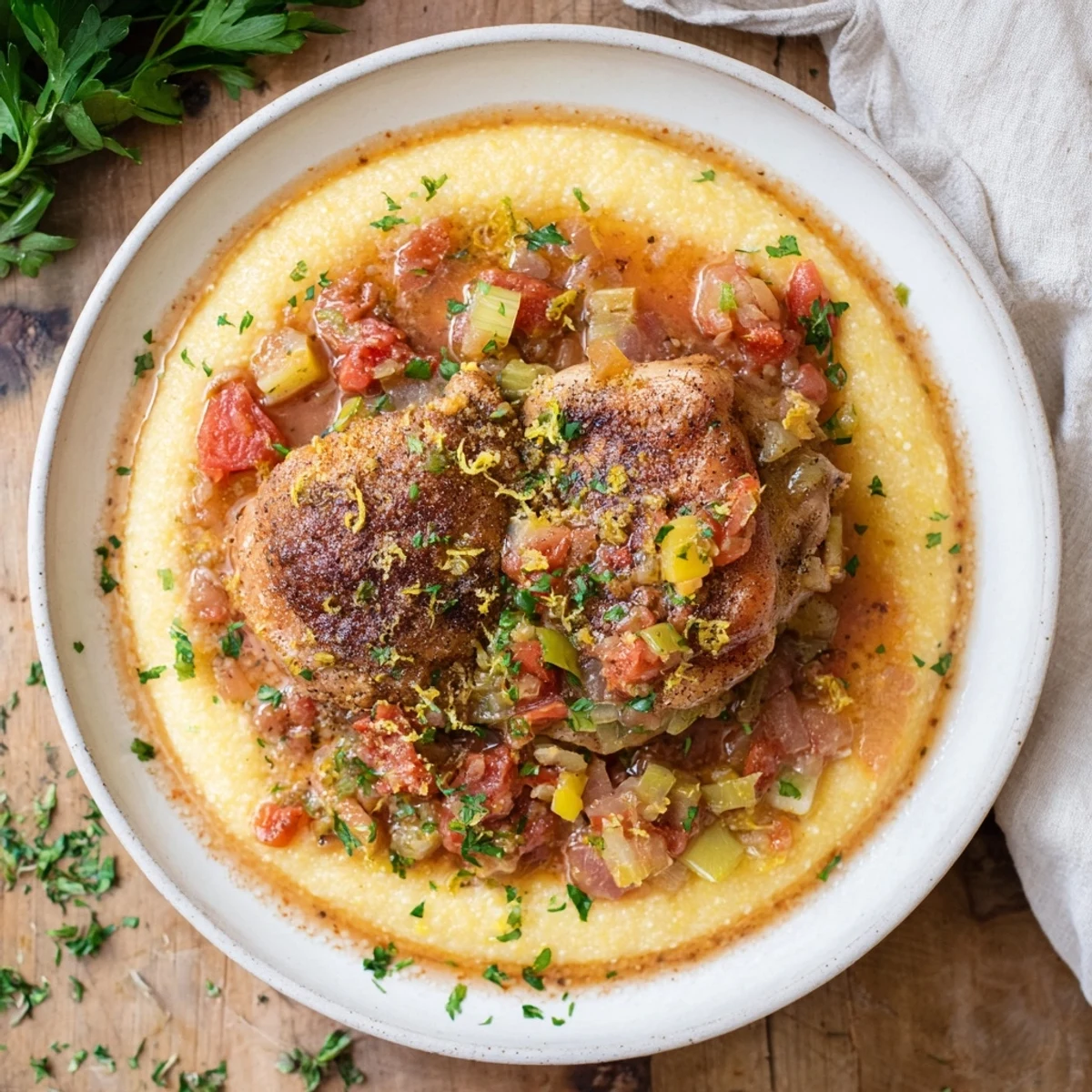
Save There is something about lifting the lid on a braise after an hour that makes the whole kitchen feel like home. The chicken practically falls off the bone, and the sauce is this gorgeous rusty color that stains the polenta or bread on your plate in the best way.
Serving Ideas Worth Trying
Creamy polenta is my first choice because it soaks up the braising liquid like edible magic, but a pile of buttery mashed potatoes works just as well on a cold evening. Crusty bread is the simplest option and honestly sometimes the most satisfying when you just want to tear off a piece and dip.
Swaps and Variations
Turkey thighs make a fine substitute if you are feeding a crowd, and veal shanks are the traditional route if budget allows. I have even tossed in a handful of olives or capers during the braise when I wanted something briny and Mediterranean leaning.
Tools That Make This Easier
A heavy Dutch oven is really the star of the show here because it holds heat evenly and goes from stovetop searing to low braising without missing a beat. Keep a good wooden spoon handy and a sharp knife for all that dicing.
- A instant read thermometer helps confirm the chicken reaches 165 degrees F without overcooking.
- Measuring cups and spoons matter for the wine and stock ratios especially your first time making this.
- Always check labels on chicken stock for hidden gluten or excess sodium if those are concerns for you.
 Save
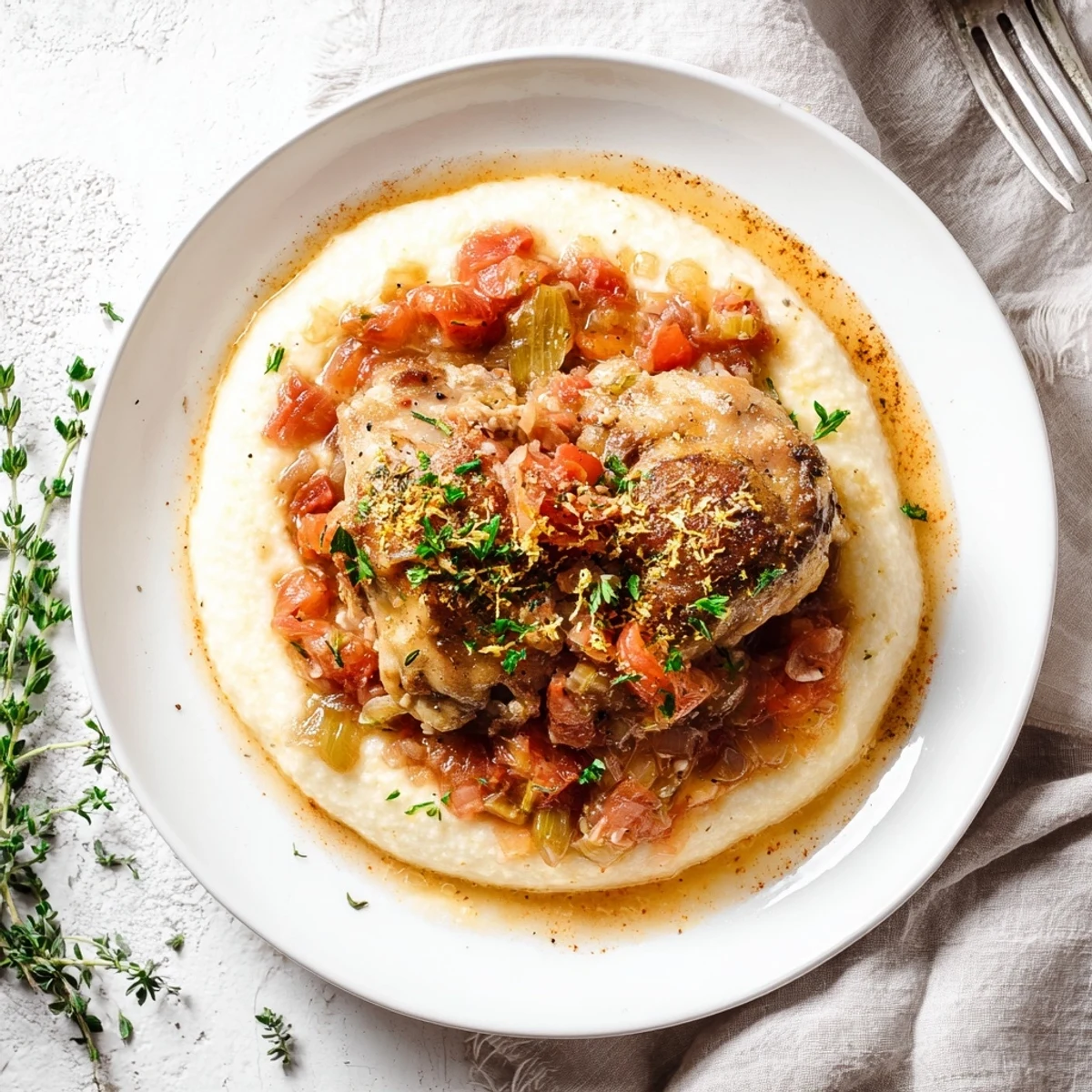
Save This is the kind of recipe that turns a random weeknight into something worth remembering, one tender, saucy bite at a time. Share it freely and watch people lean over their bowls in happy silence.
Recipe FAQs
- → How do I get a good brown on the chicken?
-
Pat thighs dry and season well, then heat the oil until shimmering. Brown in batches without crowding the pan so edges caramelize; this builds flavor for the braise.
- → Can I use boneless chicken instead?
-
Yes, but boneless pieces will cook faster and yield less depth of flavor. Reduce braising time and watch for tenderness; bones add richness to the sauce.
- → What can replace white wine in the braise?
-
Use extra chicken stock with a splash of white wine vinegar, lemon juice, or verjuice for acidity. A dry vermouth or light apple cider works in a pinch.
- → How do I thicken the sauce if it’s too thin?
-
Remove the lid and simmer to reduce, or stir in a small flour slurry or cornstarch slurry. Browning the chicken in flour at the start also helps body the sauce.
- → How can I adapt this for gluten-free diets?
-
Swap the all-purpose flour for a gluten-free flour blend for dredging and ensure stock and canned tomatoes are labeled gluten-free to avoid hidden sources.
- → Can this be made ahead and reheated?
-
Yes. The flavors deepen after resting. Refrigerate up to 3 days and gently rewarm over low heat, adding a splash of stock if the sauce tightens. It also freezes well for longer storage.