
 Save
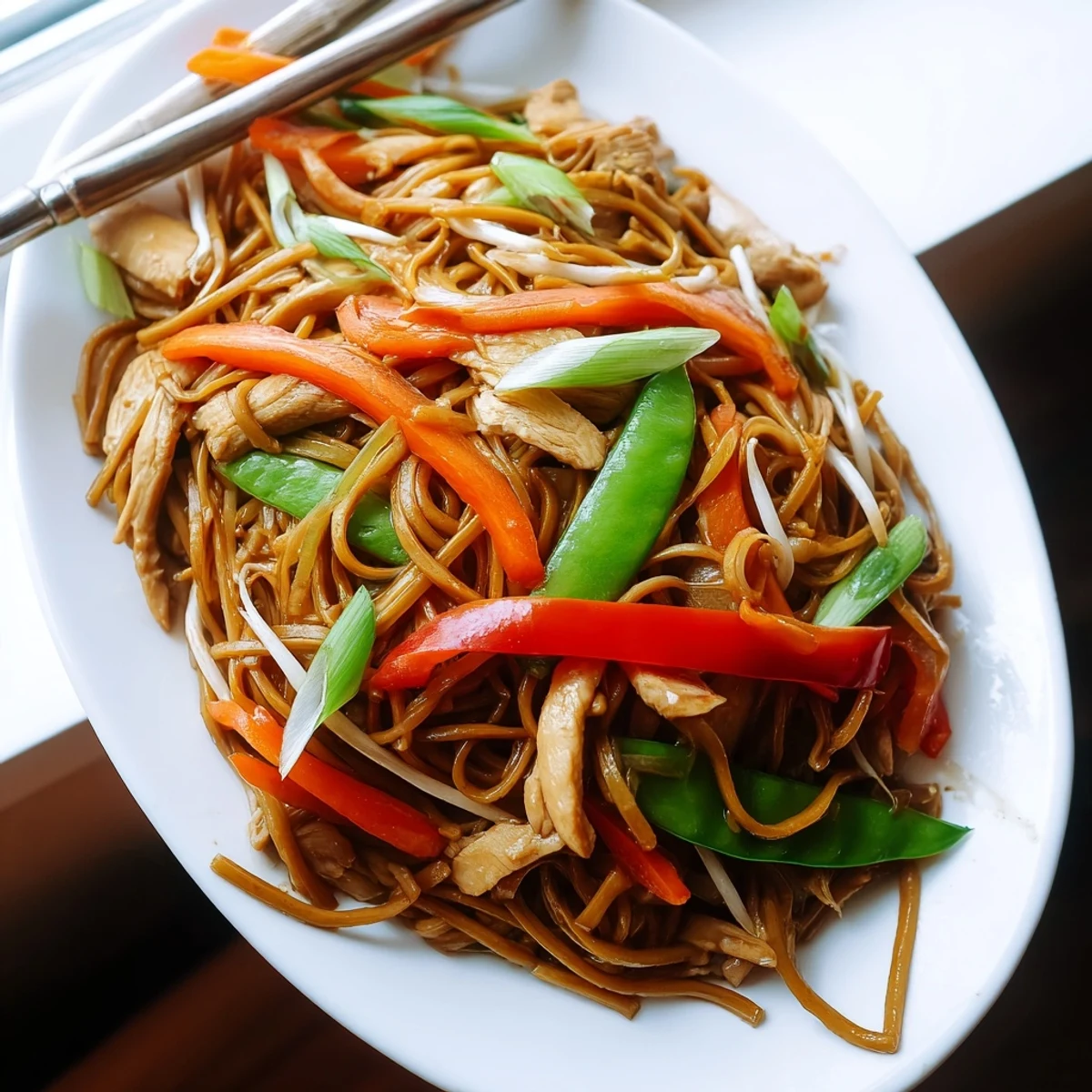
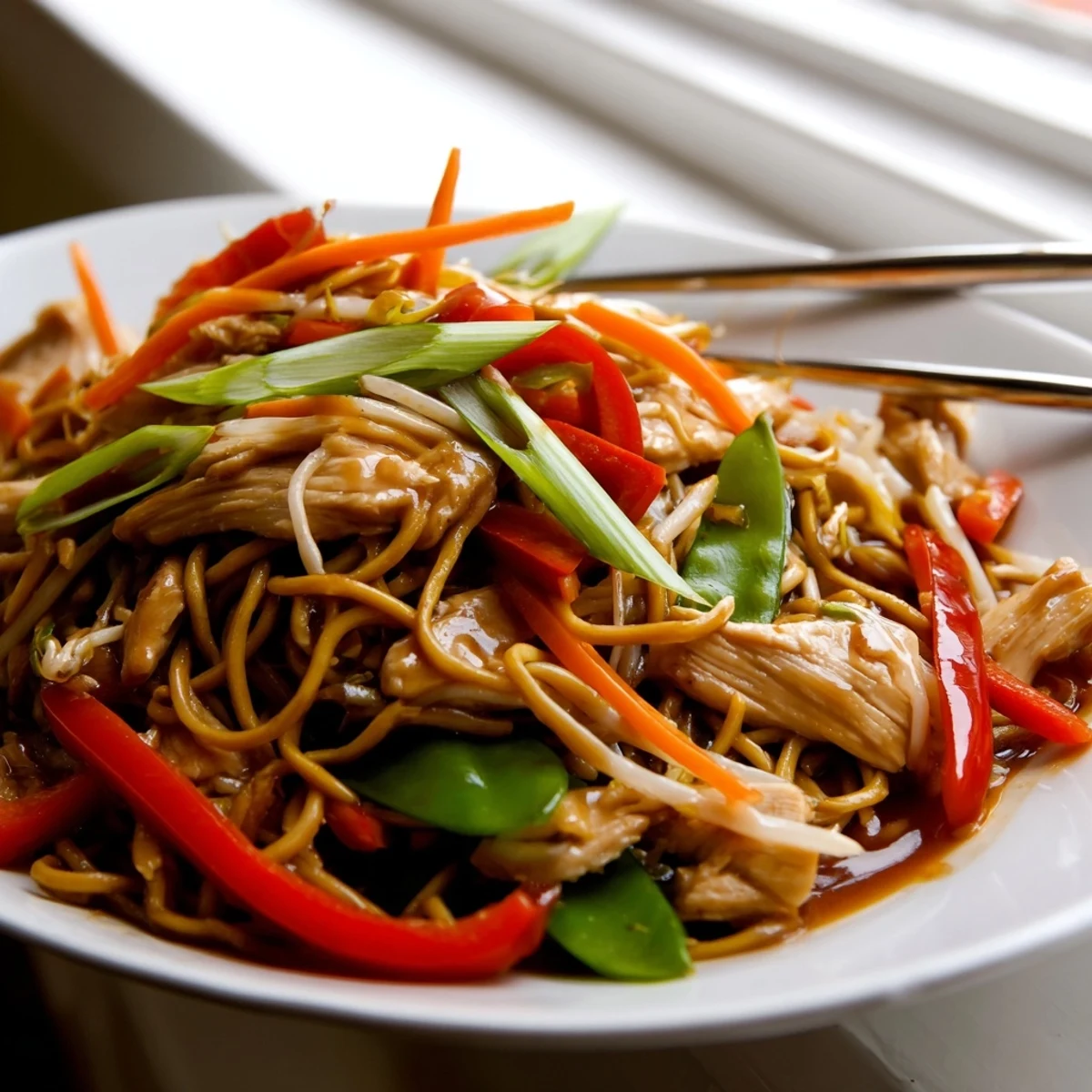
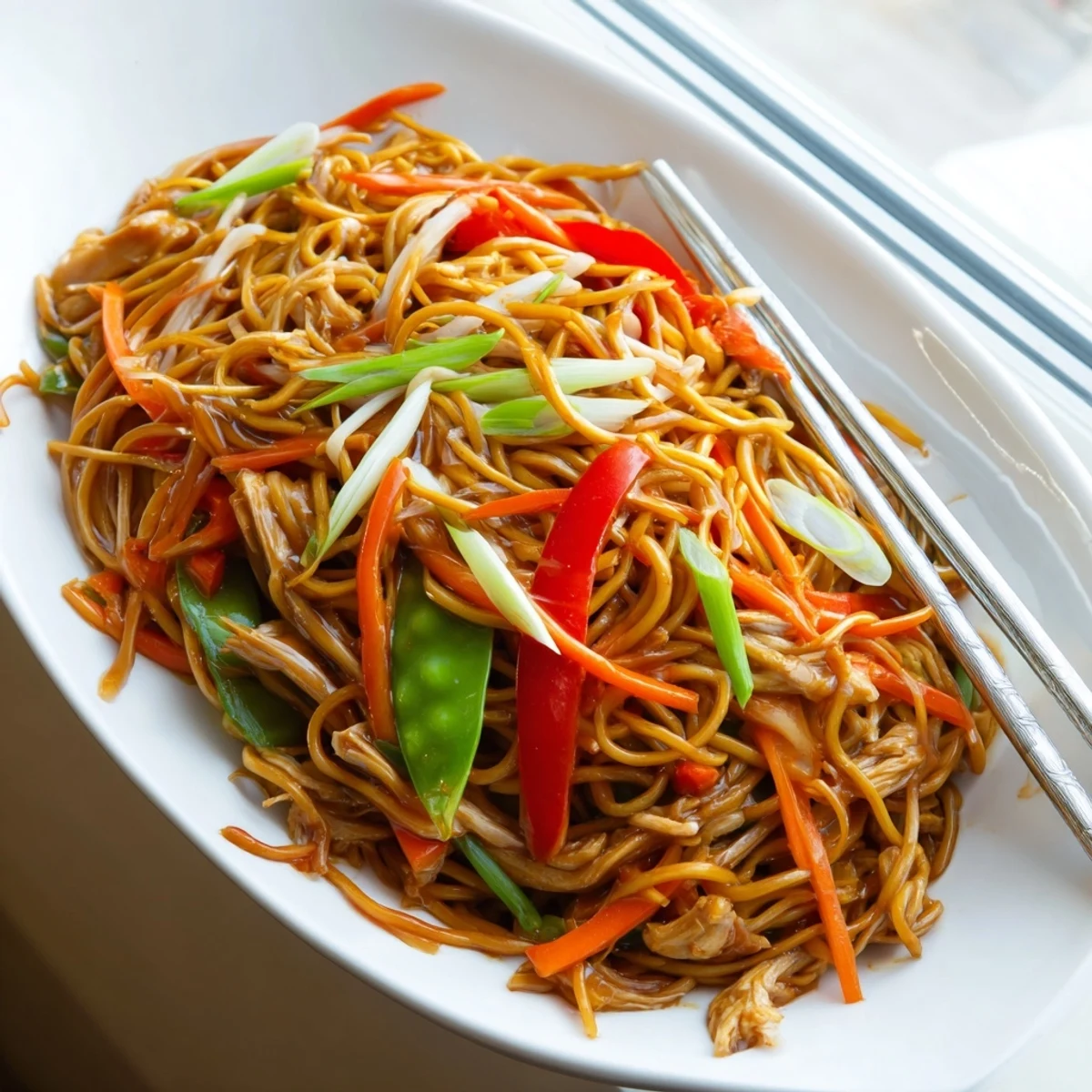
Save This classic Chinese dish brings together succulent marinated chicken breast with an array of crisp vegetables including julienned carrots, bell peppers, snow peas, and bean sprouts. The egg noodles are wok-fried until slightly caramelized, then coated in a balanced sauce combining soy, oyster, and hoisin with hints of sesame and white pepper. The entire stir-fry comes together in just over 30 minutes, making it perfect for busy weeknights while still delivering restaurant-quality flavors and textures.
The wok was smoking slightly and my tiny apartment kitchen smelled like garlic and sesame oil. My roommate had brought home chow mein from a new place in town, and after one bite I knew I had to recreate it. It took three attempts before the sauce hit that perfect balance of sweet and savory that makes chow mein unforgettable.
Last winter when my sister visited during a snowstorm, I made this for dinner. We stood around the stove eating straight from the wok with forks, steam fogging up the windows while the snow piled up outside. She still texts me about that dinner.
Ingredients
- 400 g boneless chicken breast: Thinly slicing against the grain makes every bite tender
- 1 tbsp soy sauce: This starts the marinating process that infuses flavor deep into the meat
- 1 tsp cornstarch: Creates that silky texture restaurant chicken always has
- 1 tsp sesame oil: A tiny amount goes a long way for that authentic aroma
- 3 tbsp soy sauce: The salty backbone of your sauce base
- 1 tbsp oyster sauce: Adds deep umami notes you cannot get from soy alone
- 1 tbsp hoisin sauce: Brings sweetness and that beautiful glossy finish
- 1 tsp sugar: Balances the saltiness and helps the sauce cling to noodles
- 1/2 tsp white pepper: Subtle heat that does not overpower other flavors
- 250 g chow mein noodles: Egg noodles hold up best against high heat stirring
- 2 tbsp vegetable oil: High smoke point is essential for proper stir frying
- 2 garlic cloves: Minced fresh, never from a jar
- 1 medium onion: Thin slices cook quickly and add sweetness
- 1 large carrot: Julienned for those classic orange ribbons throughout
- 1 red bell pepper: Brings crunch and a pop of color
- 100 g bean sprouts: Add them last so they stay crisp and fresh
- 4 spring onions: Both white and green parts for layered flavor
- 100 g snow peas: Trim the ends for a cleaner bite
Instructions
- Marinate the chicken:
- Toss sliced chicken with soy sauce, cornstarch, and sesame oil until each piece is coated. Let it sit while you prep everything else.
- Whisk your sauce:
- Combine soy sauce, oyster sauce, hoisin, sugar, white pepper, and water in a small bowl. Stir until sugar dissolves completely.
- Prep the noodles:
- Cook noodles according to package directions, then drain and rinse under cold water immediately. Toss with a teaspoon of oil so they do not stick together.
- Sear the chicken:
- Heat one tablespoon oil in your wok over high heat until smoking slightly. Add chicken in a single layer and let it sear for a minute before stirring. Cook until just opaque throughout.
- Cook the aromatics:
- Add remaining oil to the wok, then toss in garlic and onion. Stir constantly for one minute until fragrant.
- Add the vegetables:
- Throw in carrot, bell pepper, and snow peas. Keep everything moving for two to three minutes until vegetables are bright but still crunchy.
- Bring it all together:
- Return chicken to the wok, then add noodles, bean sprouts, and spring onions. Pour sauce over everything and toss vigorously over high heat for two to three minutes until sauce coats every strand and the dish is steaming hot.
 Save
Save Now whenever friends come over for dinner, this is what they request. Something about gathering around the steaming platter, everyone serving themselves, makes it feel like a real celebration.
Getting The Noodle Texture Right
Undercook your noodles by a minute or two in the boiling water since they will finish cooking in the wok. I learned this the hard way after making mushy chow mein three times in a row. The final high heat toss should be brief, just enough to warm everything through and let the sauce coat evenly.
Making It Your Own
Sometimes I add shredded cabbage when I have it in the fridge. Other times I toss in baby corn or sliced mushrooms. The beauty of chow mein is how forgiving it is once you understand the basic technique.
Serving Suggestions
This needs to hit the table piping hot, so have your plates ready before you start the final toss. I love serving extra chili oil on the side for heat lovers.
- Set out extra soy sauce at the table for easy seasoning
- Pair with simple steamed dumplings if serving a crowd
- Cold beer or hot green tea both work perfectly alongside
 Save
Save Hope this becomes your weeknight comfort too. Happy cooking.
Recipe FAQs
- → What noodles work best for chow mein?
-
Traditional egg noodles or chow mein noodles are ideal. Look for thin yellow wheat noodles that hold their shape during high-heat stir-frying. Fresh egg noodles offer the best texture.
- → How do I prevent chicken from becoming tough?
-
Slice the chicken thinly against the grain and marinate briefly with cornstarch. This velveting technique protects the protein during high-heat cooking, keeping it tender and juicy.
- → Can I prepare this ahead of time?
-
Prep ingredients and sauce in advance, but stir-fry just before serving. The noodles absorb sauce quickly and can become soggy if left sitting.
- → What vegetables can I substitute?
-
Bok choy, mushrooms, snap peas, broccoli, or cabbage all work beautifully. Aim for vegetables that cook quickly and maintain their crunch.
- → Is this dish gluten-free?
-
Traditional chow mein contains wheat in noodles and soy sauce. Use rice noodles and tamari for a gluten-free version, though texture will differ slightly.
- → How do I get restaurant-style smoky flavor?
-
Use a wok over high heat, ensuring it's properly heated before adding oil. The rapid searing creates wok hei, that characteristic smoky essence found in Chinese stir-fries.