
 Save
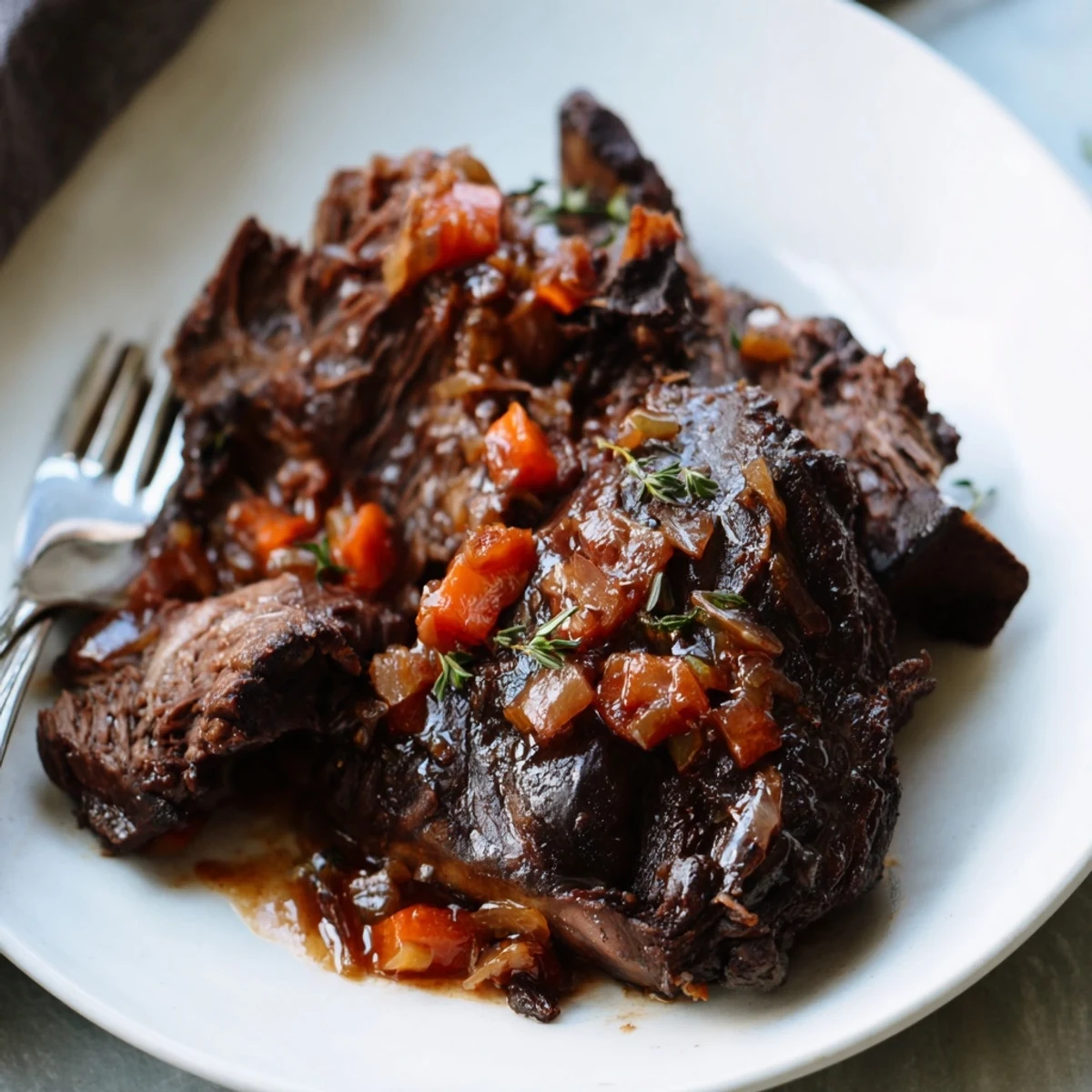
Save These oven-braised beef short ribs are seared to a deep golden crust, then slowly braised in a rich mixture of red wine, beef broth, carrots, celery, and aromatics for nearly three hours. The low, slow cooking method transforms tough, bone-in short ribs into something that literally falls off the bone with the lightest touch of a fork.
The braising liquid reduces into a silky, deeply concentrated sauce that's perfect spooned over creamy mashed potatoes, soft polenta, or crusty bread. Fresh rosemary, thyme, and bay leaves infuse every bite with earthy, herbaceous warmth, making this an ideal dish for chilly evenings or when you want something that fills the house with incredible aromas.
The sound of a Dutch oven lid closing always transports me to a rainy Sunday afternoon when the house smelled like wine and rosemary for hours. Short ribs have this quiet magic about them. They go into the oven looking tough and unremarkable and emerge three hours later as something so tender it barely holds together when you touch it with a fork.
My neighbor once knocked on my door while these were braising, convinced I was running a secret restaurant. We ended up sharing the entire batch over mashed potatoes and a bottle of the same wine I cooked with.
Ingredients
- 4 lbs beef short ribs, bone-in: Bone-in ribs give the braising liquid natural body and richness you cannot replicate with boneless cuts.
- 2 medium carrots, diced: They melt into the sauce and add subtle sweetness that balances the wine.
- 2 celery stalks, diced: This is the quiet flavor builder most people underestimate in a braise.
- 1 large yellow onion, diced: Dice it small so it dissolves almost completely during the long cook.
- 4 cloves garlic, minced: Fresh garlic matters here since it simmers gently rather than frying aggressively.
- 1 cup dry red wine: Use something you would actually drink because the flavor concentrates as it reduces.
- 2 cups beef broth: Check the label carefully if you need this to stay gluten free since many brands sneak wheat into the base.
- 1 tbsp tomato paste: This small amount adds depth and color that makes the sauce look and taste rich.
- 2 sprigs fresh rosemary: Dried rosemary can taste medicinal but fresh sprigs infuse the braise gently.
- 3 sprigs fresh thyme: Strip a few leaves to toss in alongside the whole sprigs for layered herbal flavor.
- 2 bay leaves: Do not forget to fish these out before serving since nobody wants to bite into one.
- 1 tsp salt plus more for seasoning: Season in stages and taste as you go because the broth and wine already carry salt.
- 1/2 tsp black pepper plus more for seasoning: Freshly cracked makes a noticeable difference in a dish this simple.
- 2 tbsp olive oil: Just enough to get a good sear on the ribs before the braising begins.
Instructions
- Preheat and prepare the ribs:
- Set your oven to 325 degrees F. Pat the ribs completely dry with paper towels and season every surface generously with salt and pepper because this is your chance to build flavor from the start.
- Sear until deeply browned:
- Heat olive oil in a large Dutch oven over medium high heat and sear the ribs in batches without crowding the pot. Let them develop a dark golden crust on all sides, about 2 to 3 minutes per side, then transfer to a plate.
- Build the vegetable base:
- Drop the carrots, celery, and onion into the same pot with all those browned bits. Stir until softened and fragrant, about 5 minutes, then add the garlic and tomato paste for one more minute until everything turns a deep rusty red.
- Reduce the wine:
- Pour in the red wine and scrape up every bit of stuck flavor from the bottom of the pot. Let it boil until it reduces by half, which concentrates the flavor and burns off the harsh alcohol edge.
- Braise low and slow:
- Nestle the ribs back into the pot and pour in the broth, rosemary, thyme, and bay leaves until the liquid almost covers the meat. Bring it to a gentle simmer on the stove, cover tightly, and slide it into the oven for 2.5 to 3 hours until the meat falls off the bone when you barely nudge it.
- Finish the sauce:
- Lift out the ribs and vegetables carefully since the meat will be wonderfully fragile. Skim the excess fat from the surface of the sauce and discard the herb sprigs and bay leaves before spooning it generously over the ribs.
 Save
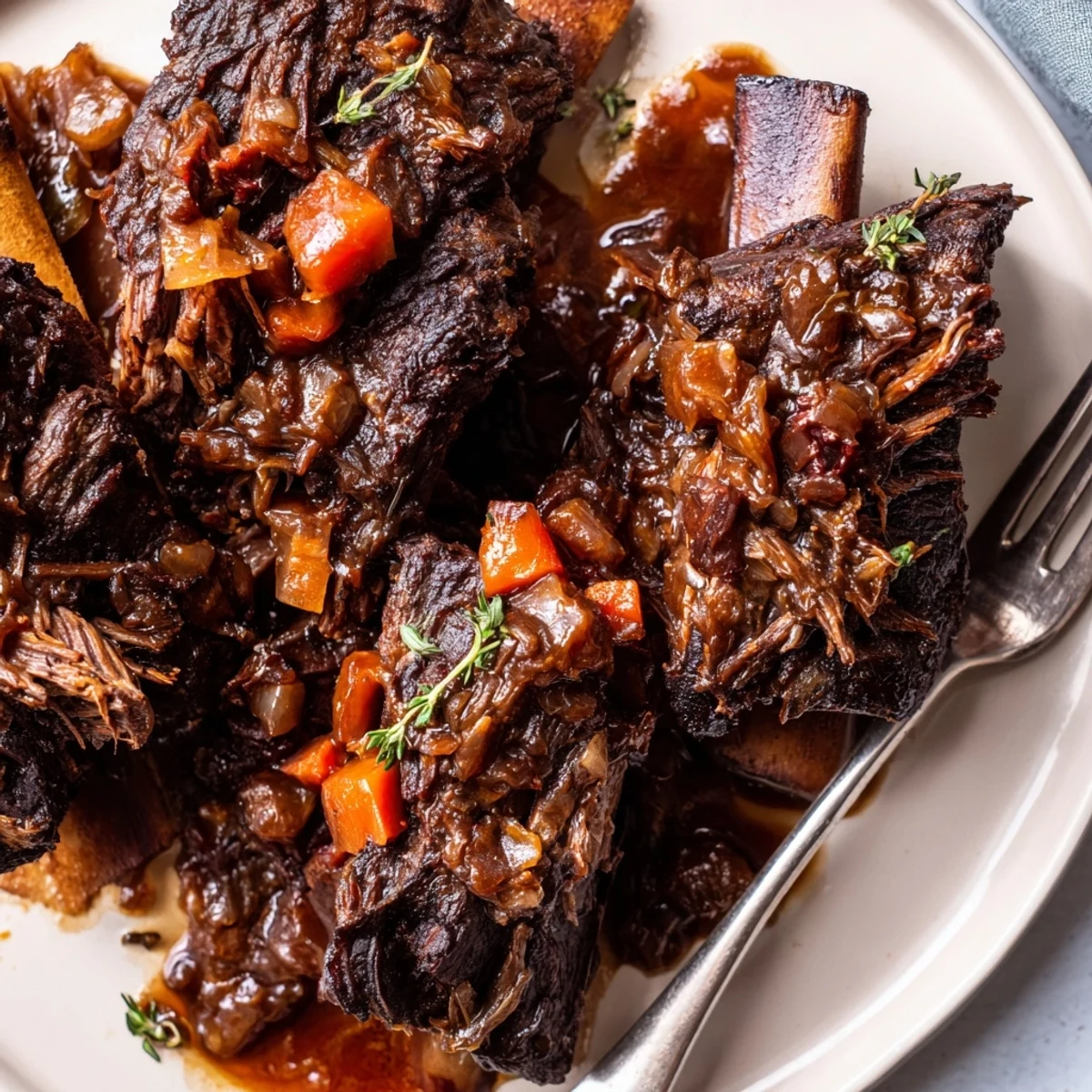
Save There is something deeply satisfying about lifting that lid after three hours and watching steam curl up carrying the smell of wine and herbs into the kitchen.
What to Serve Alongside
Mashed potatoes are the classic choice because they soak up the braising sauce like nothing else. Polenta works beautifully too if you want something with a bit more texture to stand up to the richness of the meat.
Making It Ahead
Short ribs actually improve overnight in the refrigerator as the sauce thickens and the flavors settle into the meat. Gently reheat them on the stove over low heat and add a splash of broth if the sauce has gotten too thick.
Wine and Substitution Notes
If you prefer not to cook with wine, replace it with an equal amount of extra beef broth and a tablespoon of balsamic vinegar for depth. The flavor profile shifts slightly but the ribs remain deeply satisfying and rich.
- Marinate the ribs in wine and herbs overnight in the fridge for an even deeper flavor.
- Check both your broth and wine labels carefully if gluten is a concern for anyone at the table.
- Let the seared ribs rest for a few minutes before returning them to the pot so they hold their shape better during the braise.
 Save
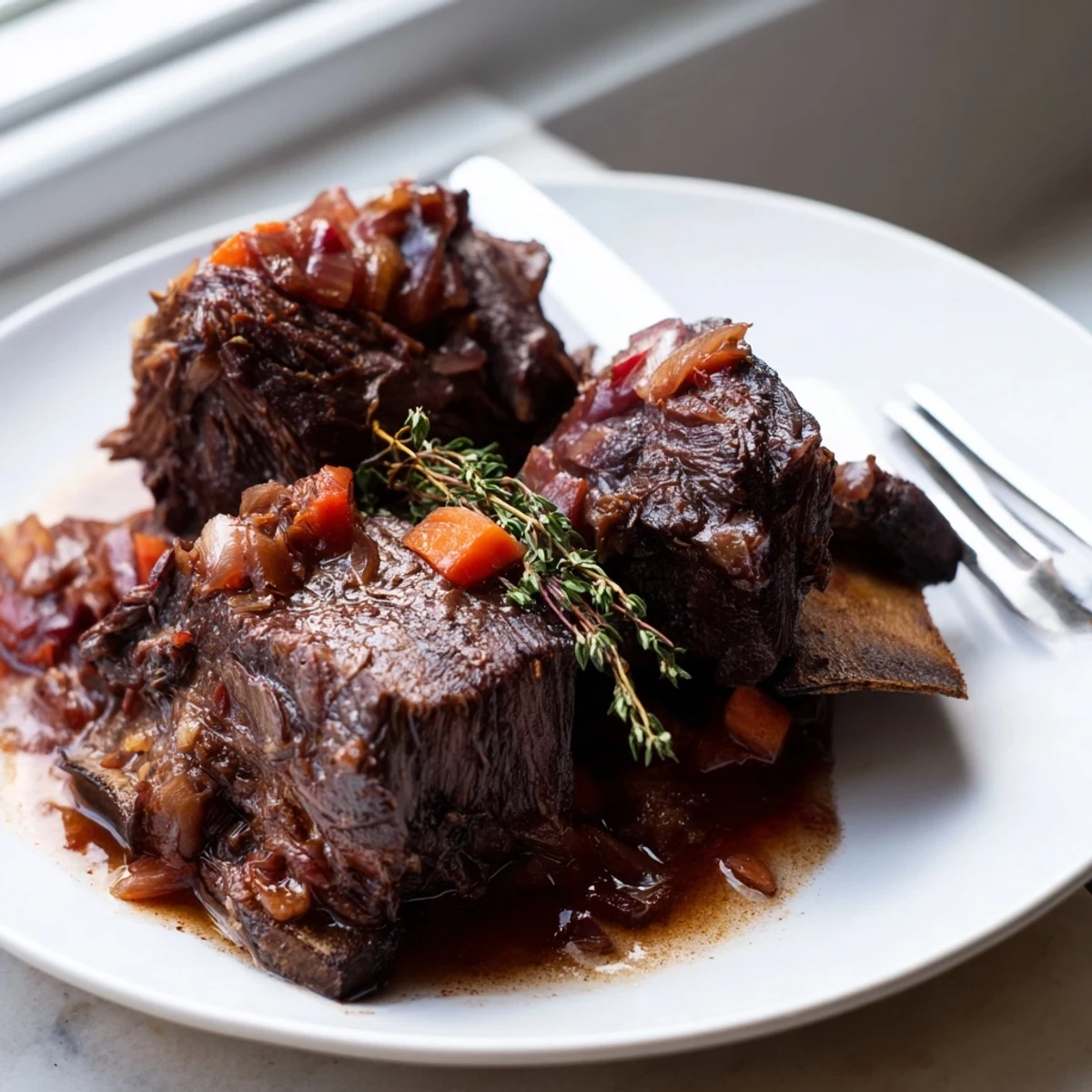
Save Some meals feed the body and some feed the people gathered around your table. These short ribs manage to do both without asking much from you except a little patience and a good bottle of wine.
Recipe FAQs
- → What cut of beef works best for braising?
-
Bone-in beef short ribs are ideal for braising because the bone adds richness and flavor to the sauce while the connective tissue breaks down into gelatin during the long cook. English-cut short ribs, which are thick and meaty, work especially well for this method.
- → Can I make this without red wine?
-
Yes, you can substitute the red wine with additional beef broth. The flavor will be slightly less complex, but you can add a splash of balsamic vinegar or a teaspoon of lemon juice to bring some acidity and depth to the braising liquid.
- → Why do the short ribs need to sear before braising?
-
Searing creates a Maillard reaction on the surface of the meat, building a deep, caramelized flavor that forms the foundation of the entire dish. Those browned bits left in the pot also flavor the vegetables and braising liquid, so never skip this step.
- → How do I know when the ribs are done?
-
The ribs are ready when a fork slides into the meat with zero resistance and the meat pulls easily away from the bone. This typically takes 2.5 to 3 hours at 325°F. If the meat feels tight or chewy, it needs more time.
- → What should I serve with braised short ribs?
-
Creamy mashed potatoes, soft polenta, or buttered egg noodles are classic pairings that soak up the rich sauce beautifully. Crusty bread, roasted root vegetables, or a simple green salad with vinaigrette also complement the dish well.
- → Can I prepare this a day ahead?
-
Absolutely. In fact, the flavor improves overnight as the sauce and meat continue to meld. Let everything cool completely, refrigerate, then gently reheat on the stovetop or in a 325°F oven until warmed through. The chilled fat solidifies on top, making it easy to remove before reheating.