
 Save
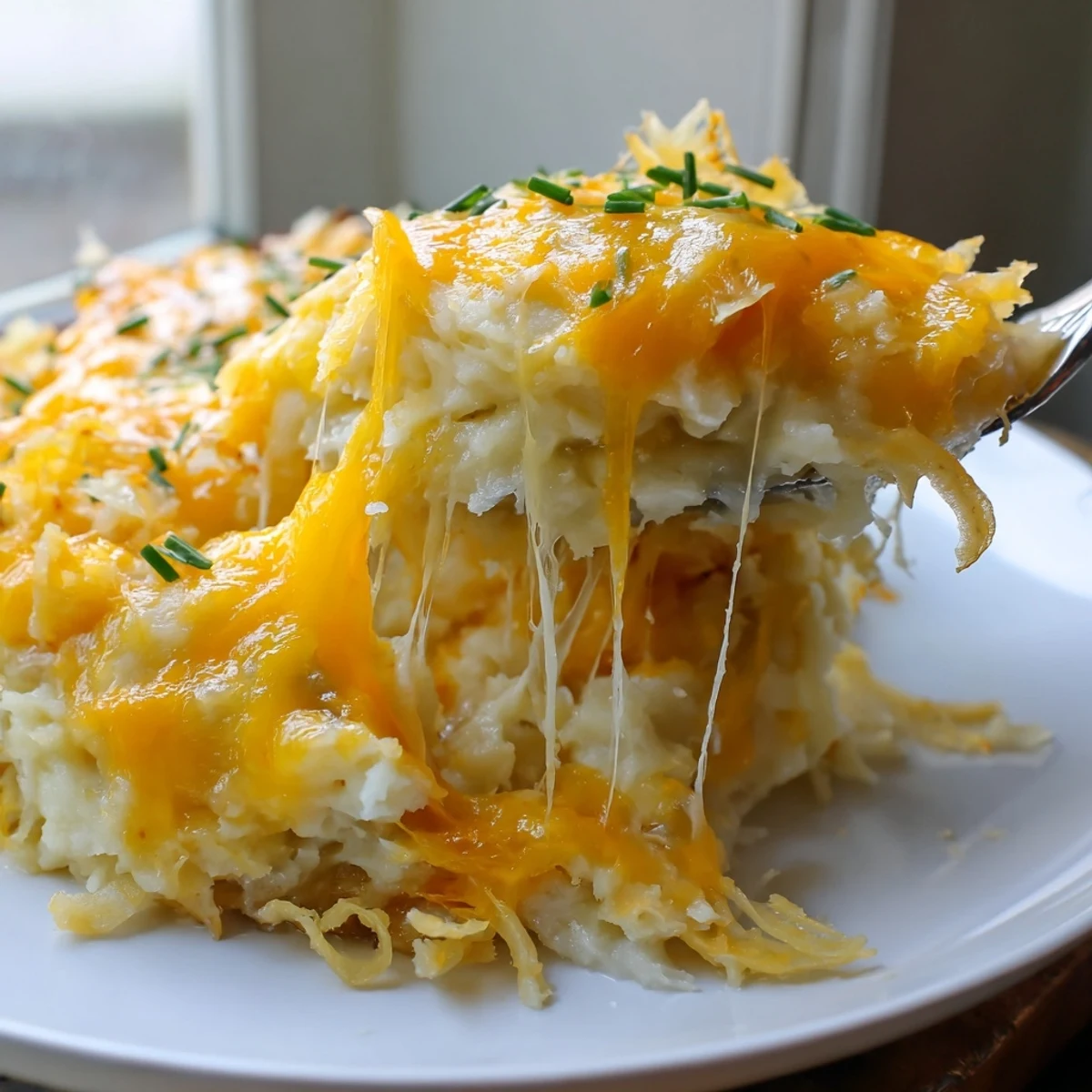
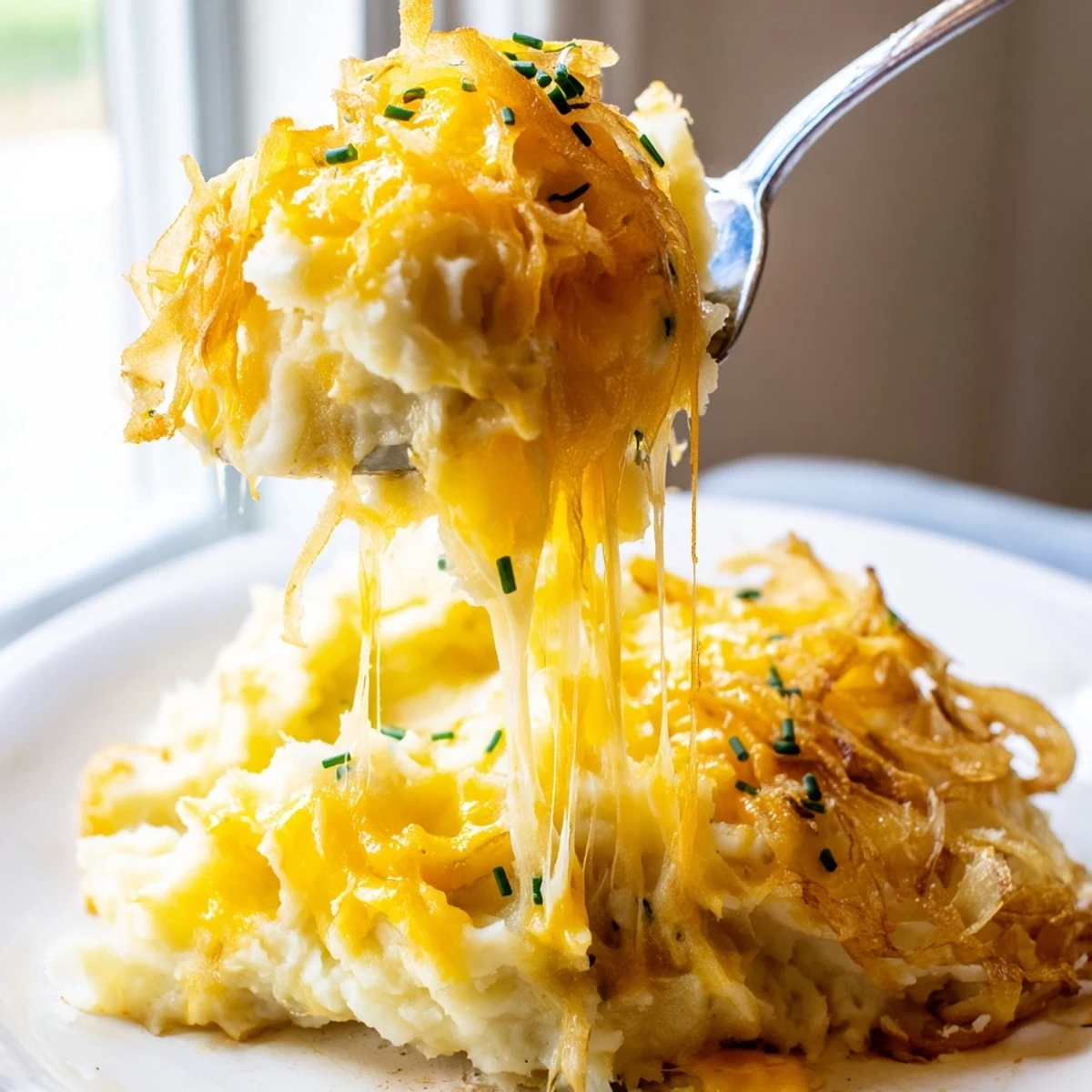
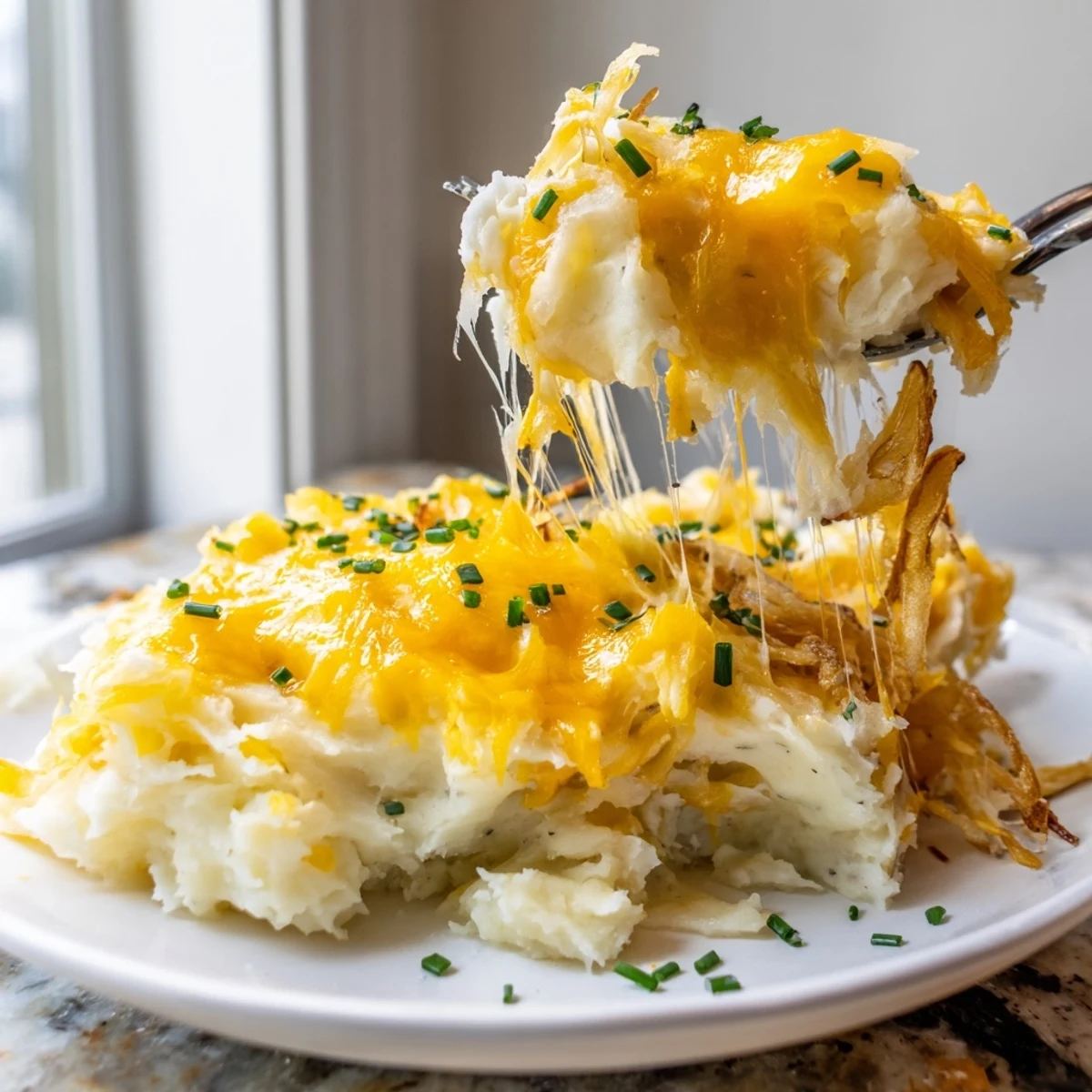
Save This hearty baked casserole combines buttery, smooth mashed potatoes with sweet caramelized onions and a generous layer of melted sharp cheddar and parmesan.
Everything comes together in under an hour, making it an ideal make-ahead dish for holiday gatherings or weeknight dinners.
The contrast of creamy potatoes, jammy onions, and bubbling cheese on top creates a comforting side that pairs beautifully with roasted meats, grilled vegetables, or a simple green salad.
Something happens to people when they see a casserole dish being carried to the table, cheese still bubbling and catching the light like a promise. My friend Dave actually set down his phone the moment this one appeared last Thanksgiving, which says more than any compliment could. The sweet onions hidden beneath that golden crust have a way of making everyone lean in a little closer, forks already positioned for the first bite. It is the kind of dish that turns a regular Tuesday dinner into something people remember.
I burned the onions the first three times I attempted this recipe because I refused to believe they needed a full twenty minutes on medium heat. Patience is not my natural state in the kitchen, but those onions taught me that some things cannot be rushed. Now I pour a cup of coffee and stand right there at the stove, watching them shift from sharp and pale to sweet and amber, and those twenty minutes have become the most peaceful part of my cooking week.
Ingredients
- 2 lbs russet or Yukon Gold potatoes, peeled and chunked: Yukon Golds give you a naturally buttery texture, but russets mash smoother if that is what you have on hand.
- 4 tbsp unsalted butter: Cut it into pieces so it melts evenly into the hot potatoes without leaving greasy pockets.
- 1 cup whole milk, warmed: Cold milk cools down your potatoes and makes them gummy, so always heat it gently first.
- 1 1/2 cups shredded sharp cheddar, divided: Dividing the cheese means you get flavor inside the mash and that irresistible stretchy crown on top.
- 1/2 cup grated parmesan: This adds a savory depth that cheddar alone cannot quite reach.
- 1/2 cup sour cream: A trick borrowed from baked potato bars, it adds tang and an incredibly silky texture.
- 2 large yellow onions, thinly sliced: Yellow onions caramelize sweeter than white or red, so do not substitute unless you want a sharper edge.
- 2 tbsp olive oil: Just enough to coax the onions along without deep frying them.
- 2 cloves garlic, minced: Added at the very end so it perfumes the onions without turning bitter.
- 2 tbsp chopped fresh chives: Entirely optional but they bring a fresh oniony snap that cuts through all that richness beautifully.
- 1 tsp salt, plus more to taste: Seasoning in layers throughout the process means no bland surprises at the end.
- 1/2 tsp freshly ground black pepper: Freshly cracked always hits different than the pre ground stuff sitting in your cupboard.
Instructions
- Get the oven ready:
- Preheat to 375 degrees and grease your baking dish with a little butter or oil so nothing sticks when you serve it later.
- Boil the potatoes:
- Cover your peeled chunks with cold salted water, bring it to a rolling boil, then drop to a simmer for about fifteen to eighteen minutes until a fork slides through without any resistance. Drain them really well because excess water is the enemy of creamy mashed potatoes.
- Caramelize those onions:
- Heat olive oil in a wide skillet over medium heat, add all the sliced onions, and resist every urge to crank the heat up. Stir occasionally and watch them transform over fifteen to twenty minutes into something deeply golden and jammy, adding the garlic only for the last two minutes so it does not burn.
- Mash everything together:
- Return the drained potatoes to the pot and add butter, warm milk, sour cream, one cup of the cheddar, all the parmesan, salt, and pepper. Mash until everything is smooth and velvety, tasting as you go because this is your chance to get the seasoning right.
- Fold in the onions:
- Gently stir half of your caramelized onions into the mashed potato mixture so you get sweet surprises throughout, saving the rest for the top.
- Assemble the casserole:
- Spread the potato mixture evenly into your prepared baking dish, scatter the remaining onions across the surface, and blanket everything with the last half cup of cheddar.
- Bake until bubbly:
- Slide it into the oven uncovered for twenty to twenty five minutes until the cheese is fully melted and bubbling with golden brown spots around the edges.
- Rest and garnish:
- Let it sit for five minutes so the layers set up slightly, then scatter fresh chives over the top if you are using them and bring it to the table while it is still piping hot.
 Save
Save The night my neighbor stopped by with a bottle of wine and ended up staying for three hours over this casserole, I realized food does not need to be fancy to be memorable. We sat at the kitchen counter scraping the last bits of cheese from the corners of the dish, and she told me about her grandmother making something similar on snowy evenings in Vermont. That conversation changed the way I think about side dishes entirely.
Making It Your Own
Cooked crumbled bacon or diced ham folded into the potato mixture turns this from a side dish into something closer to a complete meal, which I discovered during a particularly lazy Sunday when I had leftovers in the fridge. You can also swap the sharp cheddar for Gruyere if you want something nuttier and slightly more elegant, though I would keep a little cheddar in the mix for that classic melt. Monterey Jack works beautifully too, especially if you like a milder flavor that lets the onions take center stage.
Getting Ahead of the Rush
Assemble the entire casserole up to a day ahead, cover it tightly, and refrigerate until you are ready to bake. Pull it out about thirty minutes before baking so the dish comes closer to room temperature, which helps it bake evenly and prevents glass baking dishes from cracking under sudden heat. Add an extra five to ten minutes to the baking time if you are going straight from the fridge to the oven.
What to Watch For
The difference between good caramelized onions and burnt ones is about two minutes of inattention, so stay near the stove and stir whenever you think about it. The potatoes should be completely smooth before you add the onions, because chunks in the mash create an uneven texture once baked. Everything else about this recipe is forgiving, which makes it perfect for cooking with kids or distracted cooks who like to multitask.
- If your potatoes seem too loose after mashing, let them sit for five minutes before spreading into the dish because they will firm up slightly.
- A shallow baking dish gives you more golden cheesy surface area, which is never a bad thing.
- Always let it rest those five minutes before serving or the whole thing will slide apart on the plate.
 Save
Save Some recipes earn a permanent spot in your rotation not because they are impressive, but because they make the people around your table feel genuinely happy and cared for. This casserole does exactly that, every single time.
Recipe FAQs
- → Can I make this casserole ahead of time?
-
Yes, you can assemble the entire casserole up to 24 hours in advance. Cover tightly and refrigerate, then bake uncovered when ready to serve. You may need to add 5-10 extra minutes of baking time if going straight from the refrigerator.
- → What potatoes work best for this dish?
-
Russet potatoes yield the fluffiest, lightest mash, while Yukon Golds produce a naturally creamier, slightly denser texture. Both work wonderfully here—choose based on your personal preference.
- → How do I get perfectly caramelized onions?
-
Cook sliced onions in olive oil over medium-low heat, stirring every few minutes. Patience is key—true caramelization takes 15-20 minutes. Avoid turning up the heat, as this browns rather than caramelizes them.
- → Can I freeze leftovers?
-
Yes, portion cooled leftovers into airtight containers and freeze for up to 2 months. Thaw overnight in the refrigerator and reheat in a 350°F oven until warmed through and bubbly.
- → What can I substitute for sour cream?
-
Plain Greek yogurt or crème fraîche are excellent substitutes for sour cream. Full-fat cream cheese, softened and thinned with a splash of milk, also works in a pinch.
- → Is this dish gluten-free?
-
Yes, as written this casserole is naturally gluten-free. Always double-check labels on packaged ingredients like shredded cheese to ensure no cross-contamination or added starches containing gluten.