
 Save
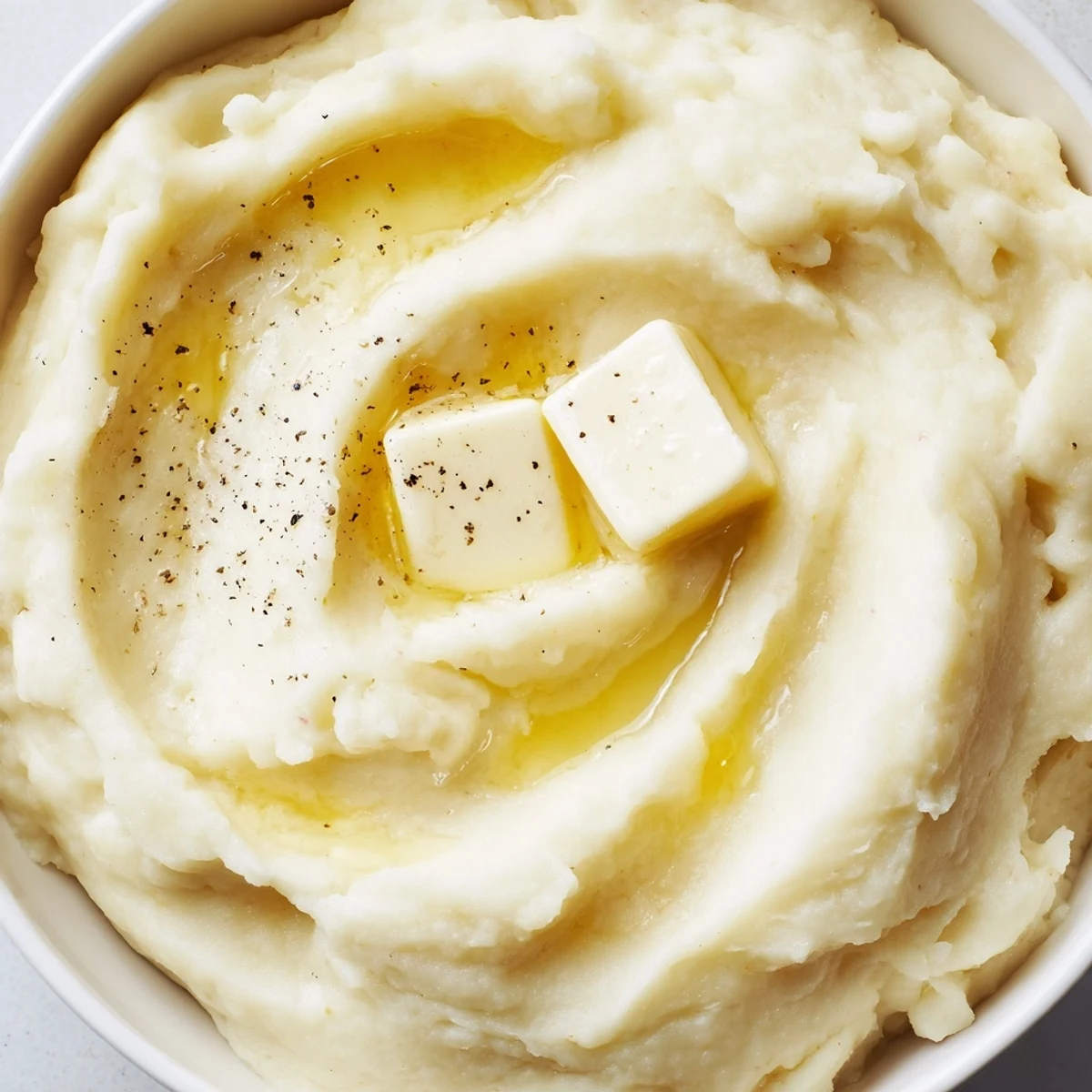
Save These velvety mashed potatoes combine Yukon Gold potatoes with butter, warm whole milk, and heavy cream for an ultra-smooth, comforting side dish.
Ready in just 40 minutes, they're perfect alongside roasted meats, poultry, or drizzled with mushroom gravy. The key is draining thoroughly and letting excess moisture evaporate before mashing.
Customize with garlic-infused milk or fresh herbs for extra depth of flavor.
Steam fogged up the kitchen window the night my sister walked in from the cold and declared that nothing but a mountain of mashed potatoes would save her. I had been boiling potatoes already, almost by instinct, because November demands them. The smell of butter hitting hot starch filled the room before she even took off her coat. That bowl disappeared between four of us in under ten minutes.
I have made these potatoes for weeknight dinners, Thanksgiving tables, and once at midnight when a friend was going through a breakup and needed something warm to hold onto. They never fail. The trick is treating each step with a little more care than you think mashed potatoes deserve.
Ingredients
- 2 lbs Yukon Gold potatoes: These are the gold standard for mashed potatoes because their medium starch content gives you creaminess without turning gummy or gluey.
- 4 tbsp unsalted butter: Cube it cold so it melts slowly and coats every strand of potato evenly.
- 3/4 cup whole milk (warmed): Cold liquid shocks the hot potatoes and makes them seize, so always warm it first.
- 1/4 cup heavy cream (warmed): A modest amount of cream lifts the whole dish into something that feels celebratory.
- 1 1/2 tsp kosher salt plus more to taste: Seasoning the cooking water is just as important as seasoning the finished bowl.
- 1/4 tsp freshly ground black pepper: Use a pepper mill if you have one because the pre ground stuff tastes flat here.
Instructions
- Start the potatoes in cold water:
- Place the peeled and chunked potatoes in a large pot and cover them with cold water by one inch. Add a teaspoon of salt so the potatoes absorb seasoning from the inside out as they cook.
- Simmer until fork tender:
- Bring to a boil over medium high heat then reduce to a gentle simmer. Cook until a fork slides through the largest piece with zero resistance, usually 15 to 20 minutes.
- Drain and dry:
- Drain the potatoes completely and return them to the same pot. Let them sit over low heat for one to two minutes so the leftover moisture evaporates and the edges get slightly fluffy.
- Mash until smooth:
- Use a potato masher, ricer, or food mill and work until the potatoes are completely free of lumps. A ricer gives you the smoothest result if you own one.
- Fold in the butter:
- Add the cubed butter and gently fold it through the hot potatoes until fully melted and incorporated. Do not stir aggressively or the potatoes will become sticky.
- Add the warm liquids:
- Pour in the warm milk and cream gradually, stirring until everything is silky and pourable. Stop when you reach a consistency you love because you can always add more but you cannot take it back.
- Season and serve:
- Taste for salt and pepper and adjust generously. Serve hot because mashed potatoes wait for no one.
 Save
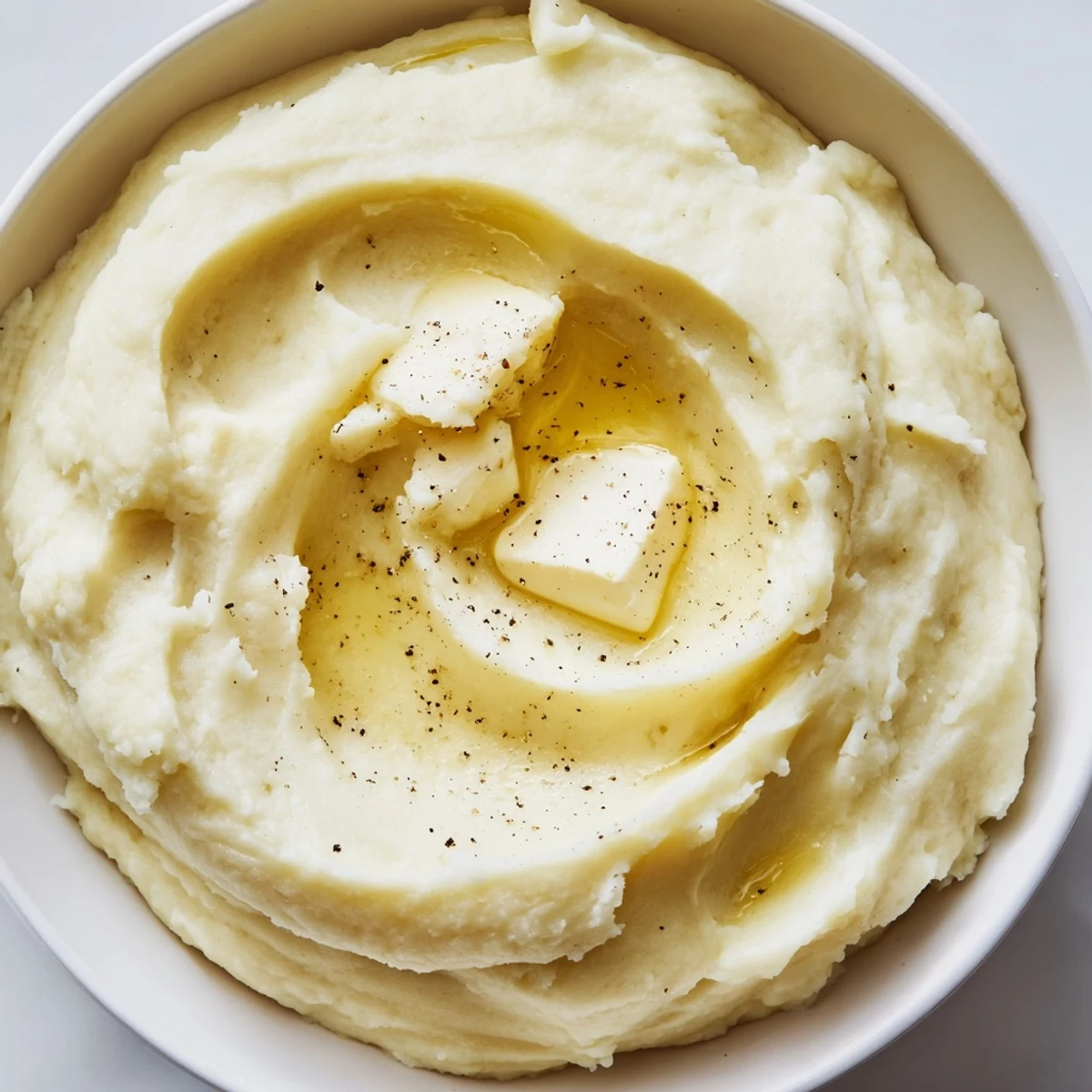
Save There is something about a bowl of mashed potatoes that makes people share things they might not otherwise say. My friend once admitted over a second helping that she was moving across the country, and somehow the potatoes made the news easier to swallow.
Choosing the Right Potato
Yukon Golds give you a naturally buttery flavor and a creamy texture that holds together beautifully when mashed. Russets work too but they are starchier and can become lighter and fluffier or slightly gummy if overworked. I have tried both and always come back to Yukon Golds for this particular recipe.
Making It Your Own
Infusing the milk with a smashed garlic clove or a sprig of rosemary before adding it takes these potatoes somewhere entirely new without much effort. You could also fold in roasted garlic, chives, or a handful of sharp cheddar at the end. The base recipe is a canvas that welcomes almost anything.
Serving and Storing
Mashed potatoes are best the moment they are made but life does not always allow that kind of timing. You can hold them warm in a slow cooker on low for up to two hours if you stir occasionally and add a splash of warm milk. Leftovers reheat beautifully with a little extra butter and cream.
- Always cover the surface with plastic wrap or buttered parchment to prevent a skin from forming.
- Freeze individual portions in airtight containers for up to one month for quick future meals.
- Taste again after reheating because cold mutes salt and you will likely need to adjust.
 Save
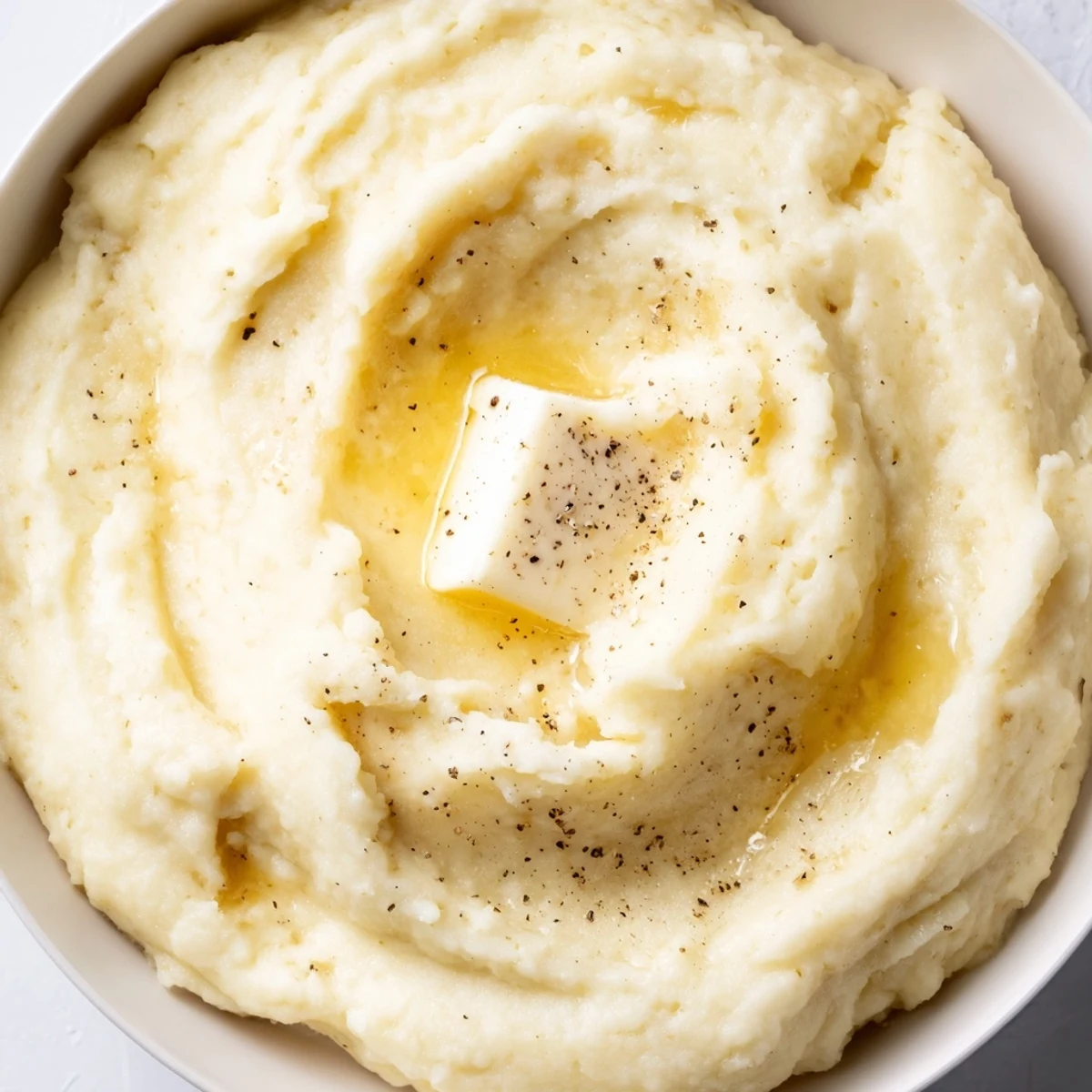
Save A bowl of these potatoes next to anything roasted, braised, or simply seared is the kind of meal that makes you close your eyes on the first bite. Keep this recipe close because you will come back to it more times than you expect.
Recipe FAQs
- → What type of potatoes work best for mashed potatoes?
-
Yukon Gold potatoes are ideal because they have a naturally buttery flavor and creamy texture. Russet potatoes also work well and produce a fluffier result.
- → How do I prevent gummy or gluey mashed potatoes?
-
Avoid over-mixing or using a blender or food processor. Use a potato masher, ricer, or food mill, and handle the potatoes gently after draining to maintain a light, fluffy texture.
- → Should I use cold or warm milk and cream?
-
Always use warmed milk and cream. Cold dairy will cool down the potatoes and cause the butter to seize, resulting in a less smooth consistency.
- → Can I make mashed potatoes ahead of time?
-
Yes, you can prepare them up to 2 hours ahead and keep them warm in a slow cooker on low heat. Reheat gently with a splash of milk to restore creaminess.
- → How can I make dairy-free mashed potatoes?
-
Substitute plant-based butter and unsweetened plant milk or cream. The texture will be slightly different but still delicious and satisfying.
- → Why should I let potatoes sit over low heat after draining?
-
This step evaporates excess moisture from the potatoes, which helps achieve a fluffier, creamier texture when you add the butter and dairy.