
 Save
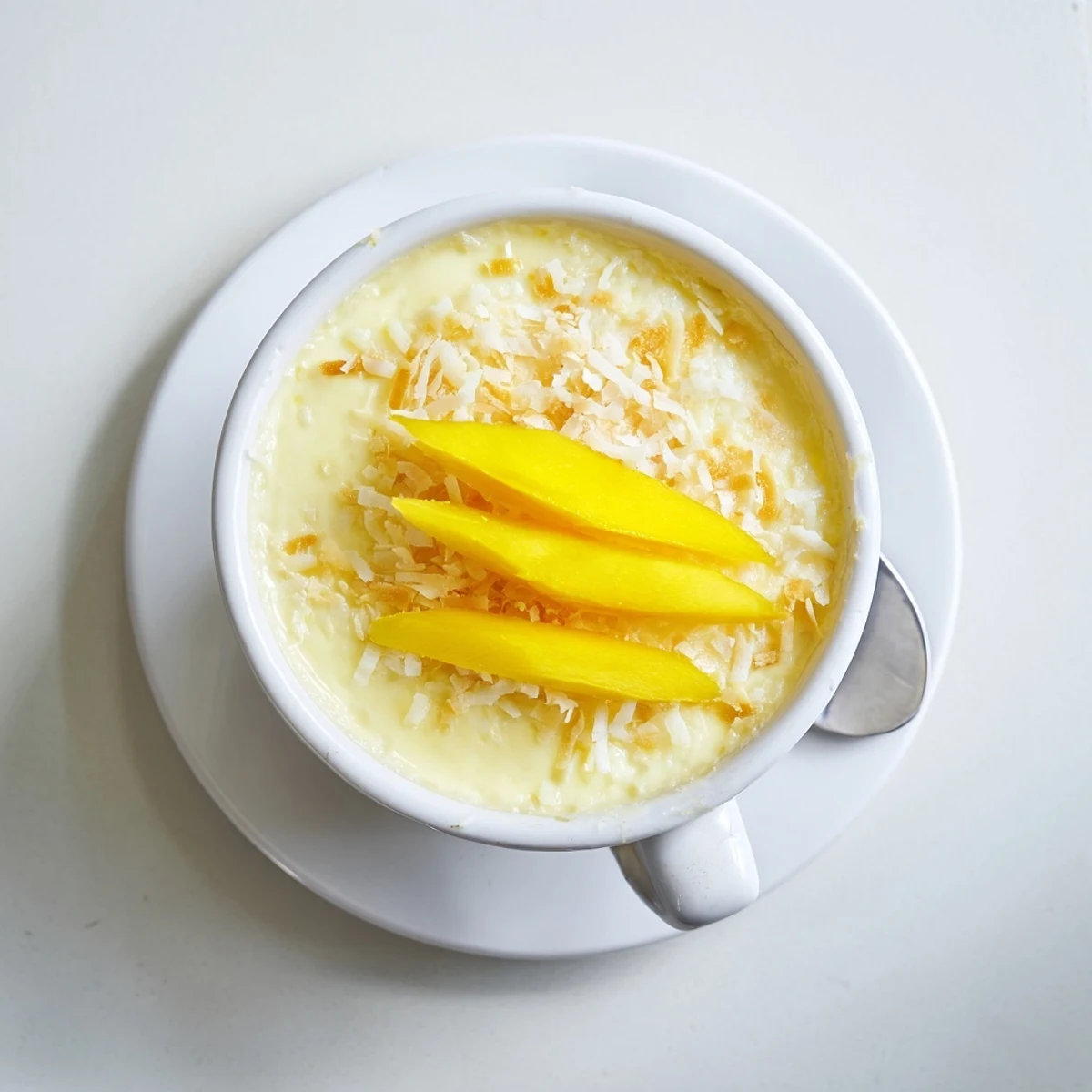
Save This traditional Thai custard combines creamy coconut milk with eggs and palm sugar, creating a silky dessert that steams to perfection. The gentle cooking method yields a delicate, melt-in-the-mouth texture that's both refreshing and satisfying. Perfect as a light ending to any meal or as an afternoon sweet treat, this custard embodies the balance of tropical sweetness and subtle sophistication found in Thai desserts.
The rainy season in Bangkok taught me that some desserts need time and stillness more than anything else. I spent a humid afternoon watching my neighbor set up her steamer on the front porch, explaining how gentle heat transforms simple ingredients into something that tastes like patience itself.
My first attempt at steamed custard ended up looking more like a sweet science experiment gone wrong. The heat was too high, the curdling was real, but I learned that low and slow is not just a saying, it is practically religion in Thai dessert making.
Ingredients
- 4 large eggs: Room temperature eggs blend better, creating that seamless texture we are after
- 200 ml full fat coconut milk: The fat carries all the flavor, so do not skimp here or you will taste the difference
- 100 g palm sugar or light brown sugar: Palm sugar adds those caramel undertones that make it taste properly Thai
- 1/4 tsp fine sea salt: This tiny pinch wakes up all the other flavors
- 1 tsp vanilla extract: Completely optional but it bridges the gap between coconut and egg beautifully
- 2 tbsp toasted shredded coconut: For that crunch contrast against all the silkiness
- Fresh fruit like mango or lychee: Because almost everything is better with mango, that is just a fact
Instructions
- Whisk the eggs gently:
- Beat them just until combined, like you are introducing them to each other rather than trying to make them best friends immediately
- Warm up the coconut mixture:
- Combine coconut milk, palm sugar, salt, and vanilla, whisking until the sugar dissolves completely into the milk
- Strain for silkiness:
- Pour everything through a fine mesh sieve to catch any cooked egg bits or sugar lumps that survived
- Distribute into ramekins:
- Divide the mixture evenly among four small heatproof cups, tapping each one gently to release trapped air bubbles
- Steam with patience:
- Set your steamer over gentle simmering water, cover, and let them cook for 25 to 30 minutes until just set with a slight wobble in the center
- Let them rest:
- Cool completely at room temperature, then chill for at least an hour to let the texture fully develop
- Add your finishing touches:
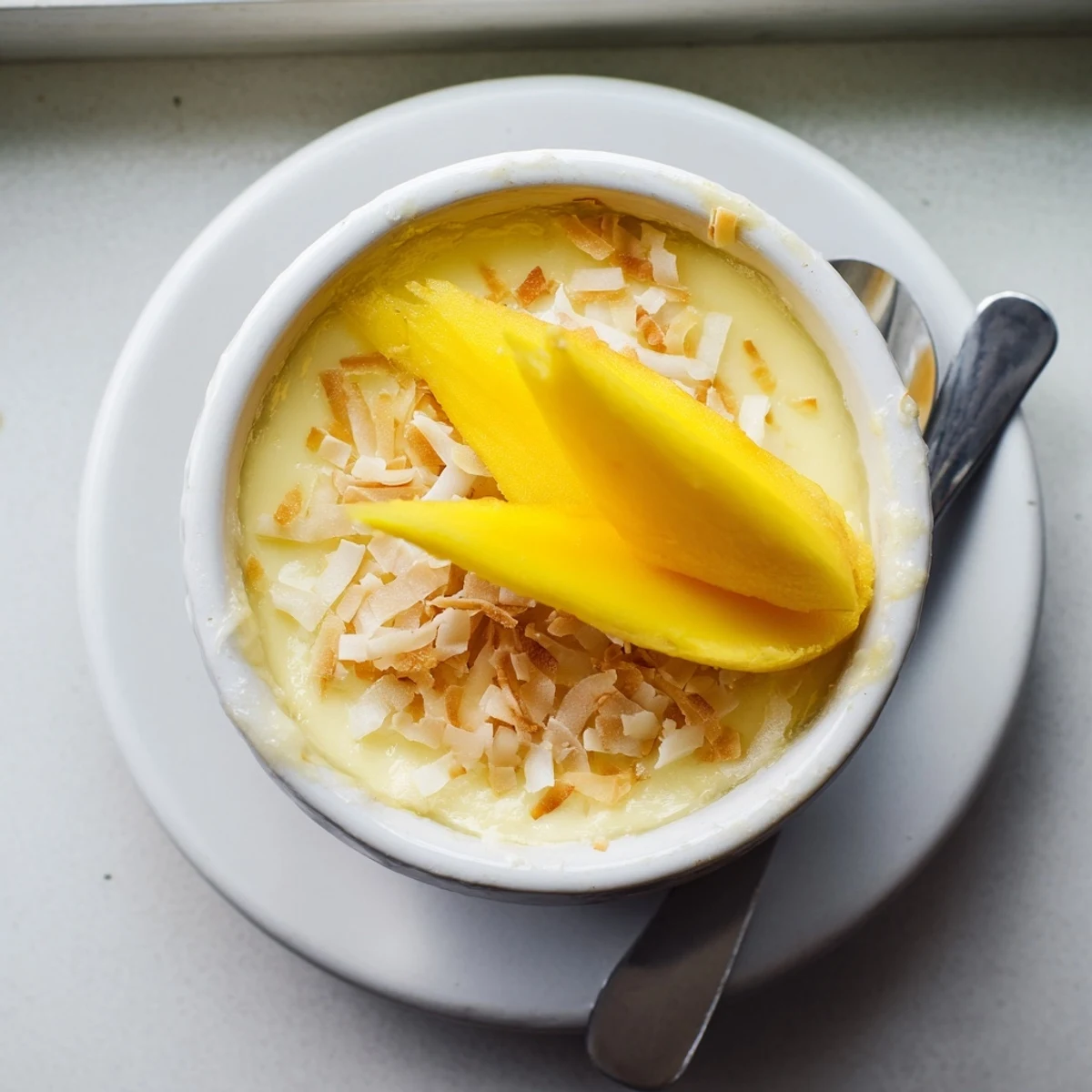
- Sprinkle with toasted coconut and arrange fresh fruit on top right before serving
 Save
Save There is something meditative about steaming desserts, watching the condensation form on the lid and knowing something wonderful is happening inside those little cups. My auntie always said steamed sweets carry the luck of the maker into whoever eats them.
Getting The Texture Right
The wobble test is real but tricky to master at first. You are looking for that specific jiggle that says done without saying overdone, like jelly that remembers it once was liquid. Understeaming and you have soup, oversteaming and you have rubber.
Flavor Variations
Infusing your coconut milk with pandan leaf overnight changes everything, giving you this floral grassy note that makes people ask what your secret ingredient is. A tiny pinch of cardamom or ginger can also transform it into something completely different while still feeling authentically Southeast Asian.
Serving Suggestions
These custards shine brightest when served chilled after a spicy meal, that cool sweetness balancing all the heat that came before. The contrast of hot curry and cold coconut is one of those pairings that just makes sense in your mouth.
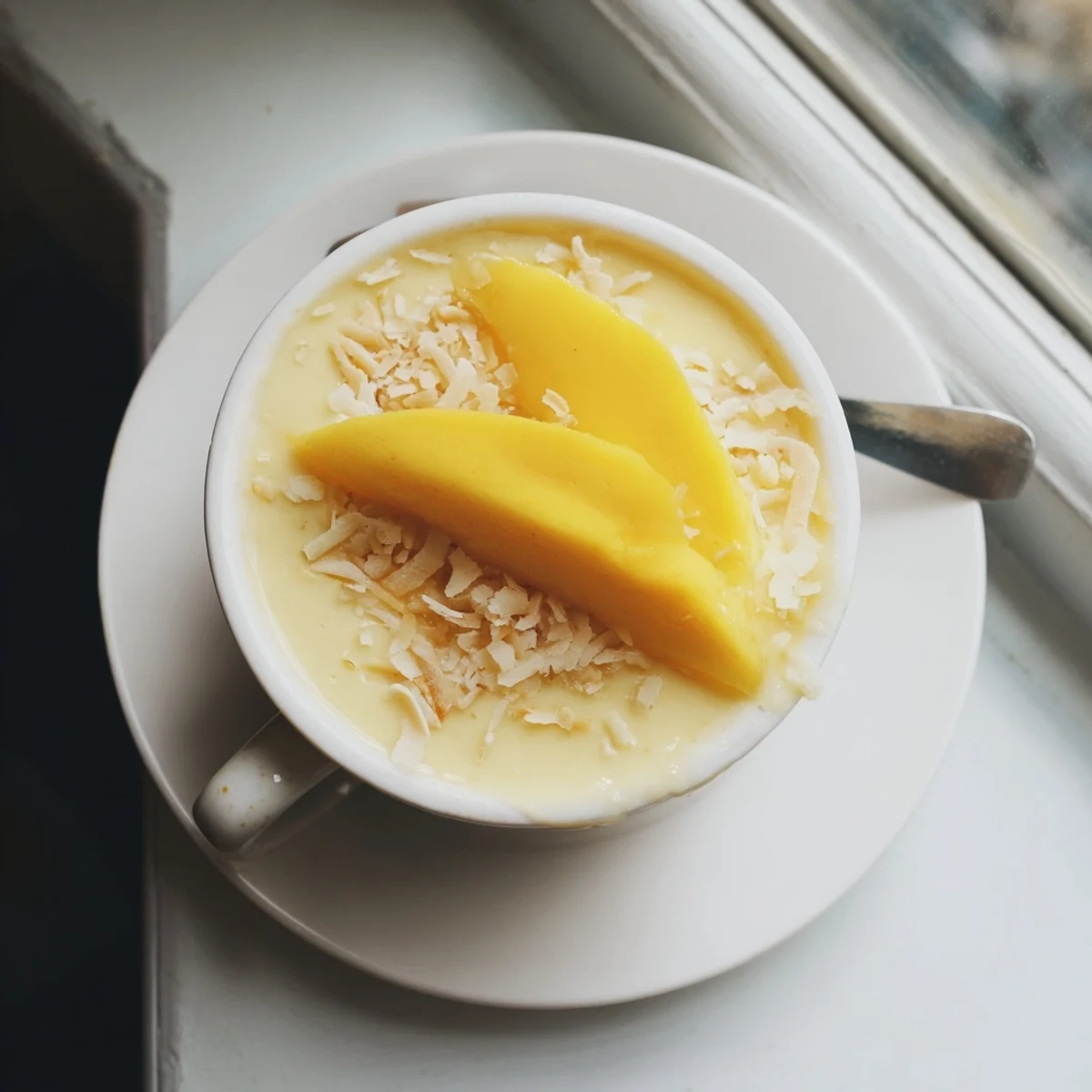
- Pair with fresh mango slices when they are in season
- A pinch of sesame seeds adds nutty depth
- Serve within two days for the best texture
 Save
Save Sometimes the simplest recipes are the ones that teach us the most about patience and attention. This custard has been my go to for years because it never fails to make people pause and savor something small.
Recipe FAQs
- → What makes Thai coconut custard different from other custards?
-
Thai coconut custard uses coconut milk instead of dairy, giving it a rich tropical flavor. The steaming method creates a silkier, lighter texture compared to baked custards, and palm sugar adds authentic caramel notes.
- → Can I make this custard without a steamer?
-
Yes, you can create a steamer by placing a heatproof rack inside a large pot with simmering water. Ensure the water doesn't touch the ramekins and cover with a tight-fitting lid. Alternatively, bake in a water bath at 325°F (160°C) for 35-40 minutes.
- → Why should I strain the custard mixture?
-
Straining removes any egg whites that didn't fully incorporate and eliminates air bubbles. This step ensures an ultra-smooth, silky texture without any lumps or foam, resulting in a professional-quality finish.
- → How do I know when the custard is done steaming?
-
The custard is ready when it's just set but still slightly wobbly in the center, similar to a flan. Insert a knife near the edge—it should come out clean. The center will continue firming as it cools.
- → Can I prepare this custard in advance?
-
Absolutely. This custard tastes even better after chilling for several hours or overnight. Store covered in the refrigerator for up to 3 days. Add toppings like toasted coconut or fresh fruit just before serving for best texture.
- → What can I substitute for palm sugar?
-
Light brown sugar makes an excellent substitute, though it lacks palm sugar's subtle caramel depth. Maple sugar or coconut sugar also work well. Avoid white sugar as it doesn't provide the same rich complexity.