
 Save
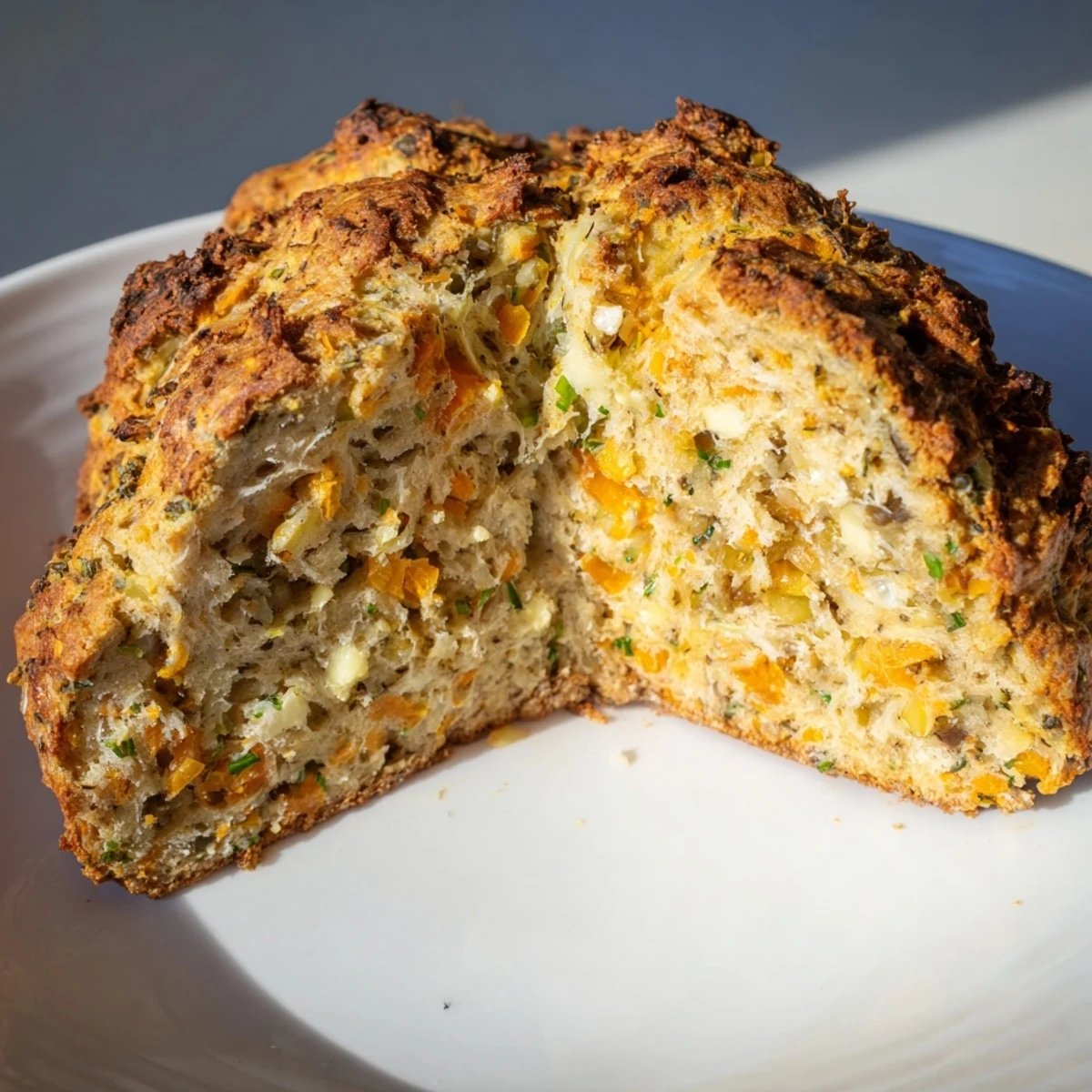
Save This savory Irish bread combines sharp cheddar cheese with a blend of fresh herbs like chives, parsley, and thyme. Made quickly with buttermilk and a touch of butter, it yields a golden crust and tender crumb. Perfectly paired with soups or stews, this loaf offers rustic flavor and a satisfying texture. Preparation is simple, with no need for rising time, delivering a cozy homemade bread in under an hour.
The smell of sharp cheddar hitting hot flour still takes me back to my tiny apartment kitchen, where I first attempted soda bread on a rainy Tuesday. I was craving something warm and comforting to go with a pot of soup I had simmering all afternoon. That first loaf emerged from the oven with a golden crust and the most incredible aroma of herbs and cheese filling every corner of the room.
I remember bringing a warm loaf to a friend's dinner party, still wrapped in a clean kitchen towel to keep it toasty. The bread barely made it to the table because people kept sneaking slices while standing around the kitchen island. Now whenever I make it, I double the recipe because one loaf mysteriously disappears within minutes of coming out of the oven.
Ingredients
- All-purpose flour: The foundation of the bread, providing structure while keeping the texture tender and light
- Granulated sugar: Just enough to balance the savory elements and help the crust achieve that beautiful golden color
- Baking soda: The leavening agent that gives soda bread its characteristic rise and dense, satisfying crumb
- Fine sea salt: Essential for flavor enhancement, bringing out the sharpness of the cheese and the brightness of the herbs
- Sharp cheddar cheese: The star ingredient that provides rich, savory depth and creates those delicious melted pockets throughout the bread
- Fresh chives: Add a mild onion flavor that complements the cheese without overwhelming the other herbs
- Fresh parsley: Brings a fresh, bright note that cuts through the richness of the cheese
- Dried thyme: Adds an earthy, aromatic quality that gives the bread its rustic appeal
- Buttermilk: Creates a tender crumb and provides the necessary acidity to activate the baking soda
- Unsalted butter: Adds richness and helps create a flavorful, golden crust
- Large egg: Provides structure and helps bind the dough while contributing to a softer texture
Instructions
- Preheat your oven to 400°F and prepare your baking surface:
- Line a baking sheet with parchment paper or give it a light coating of butter, making sure the oven is fully hot before you start mixing the dough.
- Whisk together the dry ingredients in a large bowl:
- Combine the flour, sugar, baking soda, and salt until evenly blended, creating a uniform base for the cheese and herbs.
- Add the cheese and herbs:
- Fold in the grated cheddar, chives, parsley, and thyme until they are evenly distributed throughout the flour mixture.
- Combine the wet ingredients separately:
- Whisk the cold buttermilk, melted butter, and beaten egg until fully incorporated.
- Mix wet and dry ingredients:
- Pour the wet mixture into the dry ingredients and mix gently with a wooden spoon or your hands just until a shaggy dough comes together.
- Shape the loaf:
- Turn the dough onto a lightly floured surface and knead gently just 4 or 5 times, then form it into a round about 7 inches across.
- Score the top:
- Transfer the loaf to your prepared baking sheet and use a sharp knife to cut a deep X across the top of the dough.
- Bake to golden perfection:
- Bake for 35 to 40 minutes until the crust is deeply golden brown and a skewer inserted in the center comes out clean.
- Cool before slicing:
- Let the bread rest on a wire rack for at least 20 minutes to allow the structure to set and the flavors to develop.
 Save
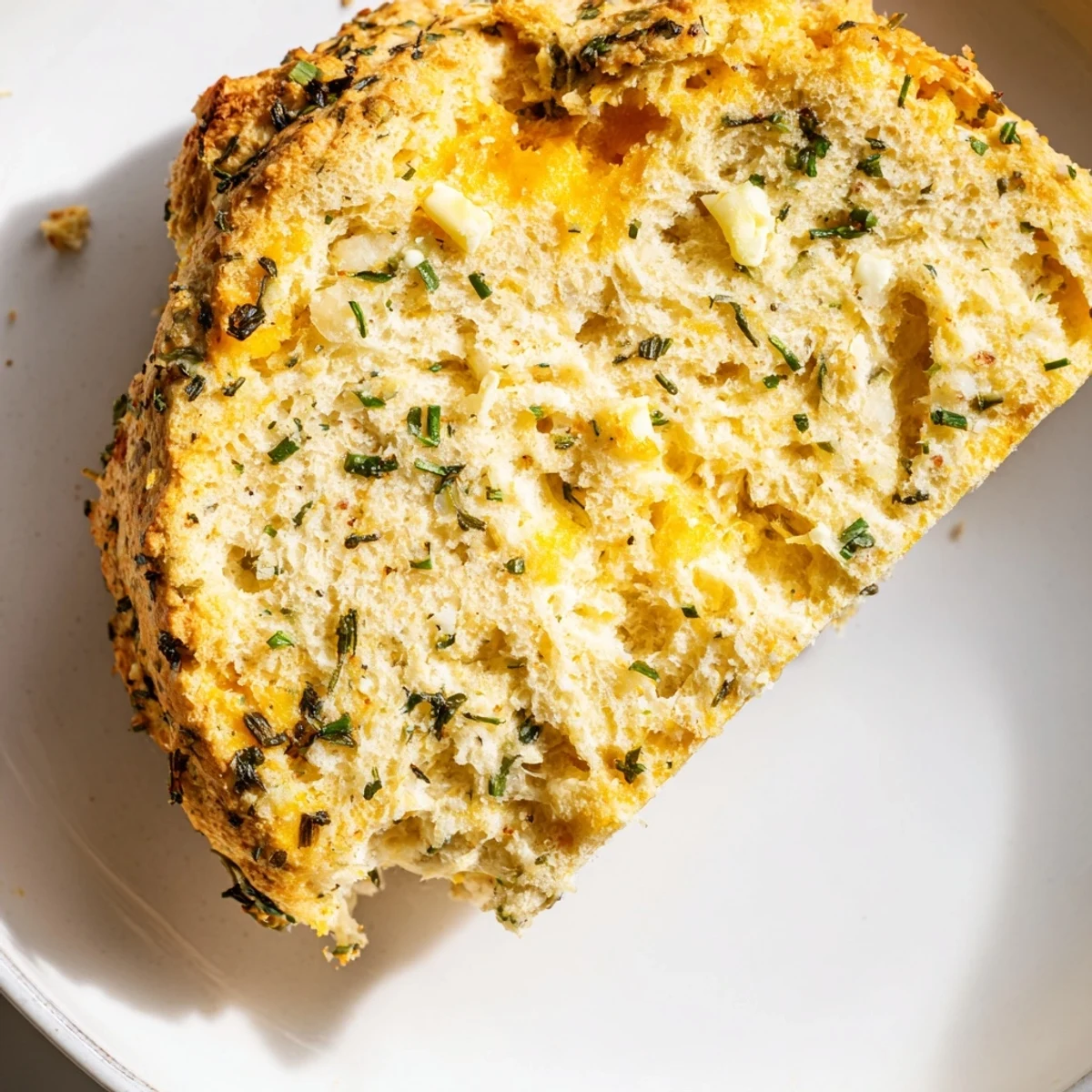
Save This bread has become my go-to gift for new neighbors and friends who need a little comfort. There is something universally appealing about the combination of warm cheese and herbs that makes people feel instantly at home.
Getting the Right Texture
The key to perfect soda bread texture is handling the dough as little as possible. The shaggy, slightly rough appearance before baking is exactly what you want. Overworking develops gluten and makes the bread tough instead of tender and slightly crumbly.
Cheese Selection Tips
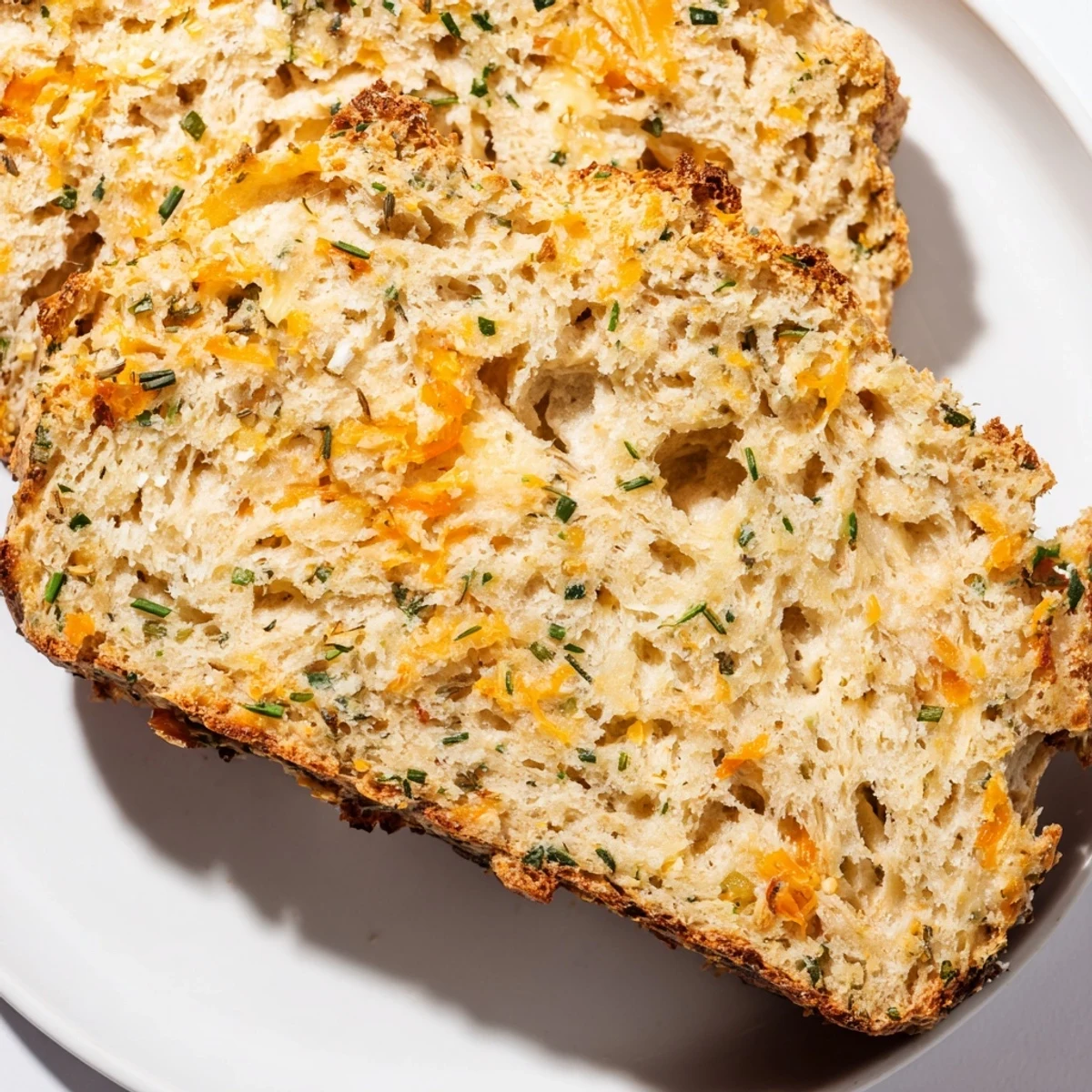
Grate your own cheese from a block instead of using pre shredded cheese for better melting and flavor distribution. A sharp aged cheddar gives the most pronounced flavor, but a mix of cheddar and Gruyère creates an even more complex taste.
Serving and Storage Suggestions
This bread is best enjoyed the day it is baked, ideally still slightly warm with a generous spread of salted butter. The cheese flavor is most pronounced when the bread is fresh.
- Wrap any leftovers tightly in foil and reheat in a 350°F oven for 10 minutes to refresh the crust
- For longer storage, slice the bread and freeze individual portions in freezer bags for up to 3 months
- Try toasting leftover slices and topping with a fried egg for an incredible breakfast
 Save
Save There is nothing quite like the first slice of this bread, warm from the oven with cheese still melting in pockets throughout. It is simple, satisfying, and somehow makes everything feel a little more cozy.
Recipe FAQs
- → What type of cheese is best for this bread?
-
Sharp cheddar cheese is ideal to provide a bold, tangy flavor that complements the herbs and adds richness.
- → Can I substitute the herbs used in the bread?
-
Yes, herbs like rosemary, dill, or your favorite blends can replace the chives, parsley, and thyme to vary the flavor profile.
- → What is the best way to ensure a golden crust?
-
Baking at 400°F and cutting a deep X on the loaf’s top helps achieve a deeply golden and crisp crust.
- → How should the dough be handled before baking?
-
Mix until just combined to keep the bread tender, then gently knead a few times before shaping into a round loaf.
- → What dishes pair well with this herbed cheddar bread?
-
This loaf pairs beautifully with creamy soups, hearty stews, or can be enjoyed as a flavorful standalone snack.