
 Save
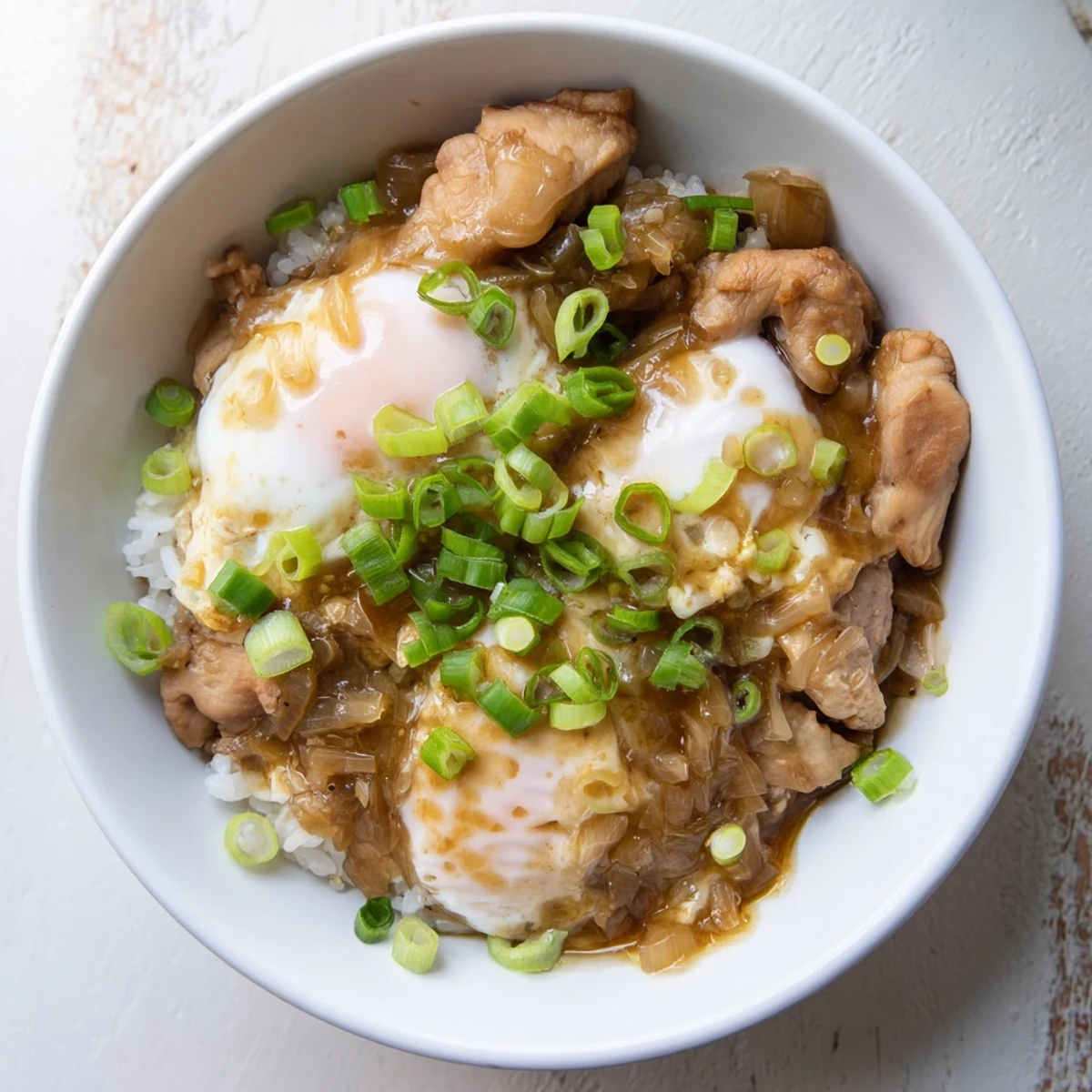
Save Oyakodon delivers the perfect balance of savory and sweet flavors with tender chicken thighs, soft onions, and silky eggs simmered in dashi-based sauce. This Japanese comfort food comes together in just 30 minutes, making it ideal for busy weeknight dinners.
The key is timing—cook the eggs until just set but still slightly runny, then slide everything over hot steaming rice. The residual heat gently completes the eggs while the sauce seeps into the rice below.
Rain was drumming against my apartment window when I first attempted oyakodon, that humble Japanese comfort food of chicken and eggs over rice. I had stumbled across it during a late-night recipe rabbit hole and was immediately charmed by the concept of a parent-and-child bowl, where the chicken and egg create their own little family in the pan. That first attempt was messy and the eggs were overcooked, but the flavors were so comforting that I knew I had to master it.
My roommate walked in during my third attempt, attracted by the smell of simmering dashi and onions caramelizing in the pan. She watched, fascinated, as I poured the beaten eggs over the bubbling chicken mixture, creating these fluffy yellow clouds that barely held their shape. We ate standing up in the kitchen, directly from the pan, and that is when I understood that oyakodon is not just a recipe. It is a weeknight rescue mission that turns exhaustion into something nourishing.
Ingredients
- Boneless chicken thighs: These stay juicy and tender during simmering, unlike breast meat which can dry out quickly
- Three large eggs: The secret is barely setting them so they remain silky and custard-like rather than rubbery
- One small onion, thinly sliced: These melt into the sauce and provide natural sweetness as they cook down
- Dashi stock: The umami foundation that makes the sauce taste like it came from a restaurant kitchen
- Soy sauce, mirin, sake, and sugar: This quartet creates that classic Japanese flavor profile that hits every note on your palate
- Spring onions: Fresh, sharp contrast to cut through the rich, savory sweetness of the dish
- Japanese short-grain rice: Its sticky, slightly sweet texture is essential for catching every drop of that precious sauce
Instructions
- Mix the sauce base:
- Whisk together the dashi stock, soy sauce, mirin, sake, and sugar until the sugar completely dissolves into the liquid.
- Soften the onions:
- Pour the sauce into a medium skillet over medium heat, add the sliced onion, and let it simmer until the onion turns translucent and sweet.
- Cook the chicken:
- Add the chicken pieces to the pan, cover with a lid, and let them simmer gently until cooked through, turning them once halfway through cooking.
- Add the eggs:
- Lightly beat the eggs and pour them evenly over the chicken and onion, then cover the pan and cook for just one or two minutes until barely set.
- Assemble the bowls:
- Divide hot rice between two bowls and gently slide the chicken and egg mixture over the top, letting some of that precious sauce flow down into the rice.
- Finish and serve:
- Scatter fresh spring onions across the top and serve immediately while the eggs are still silky and the rice is piping hot.
 Save
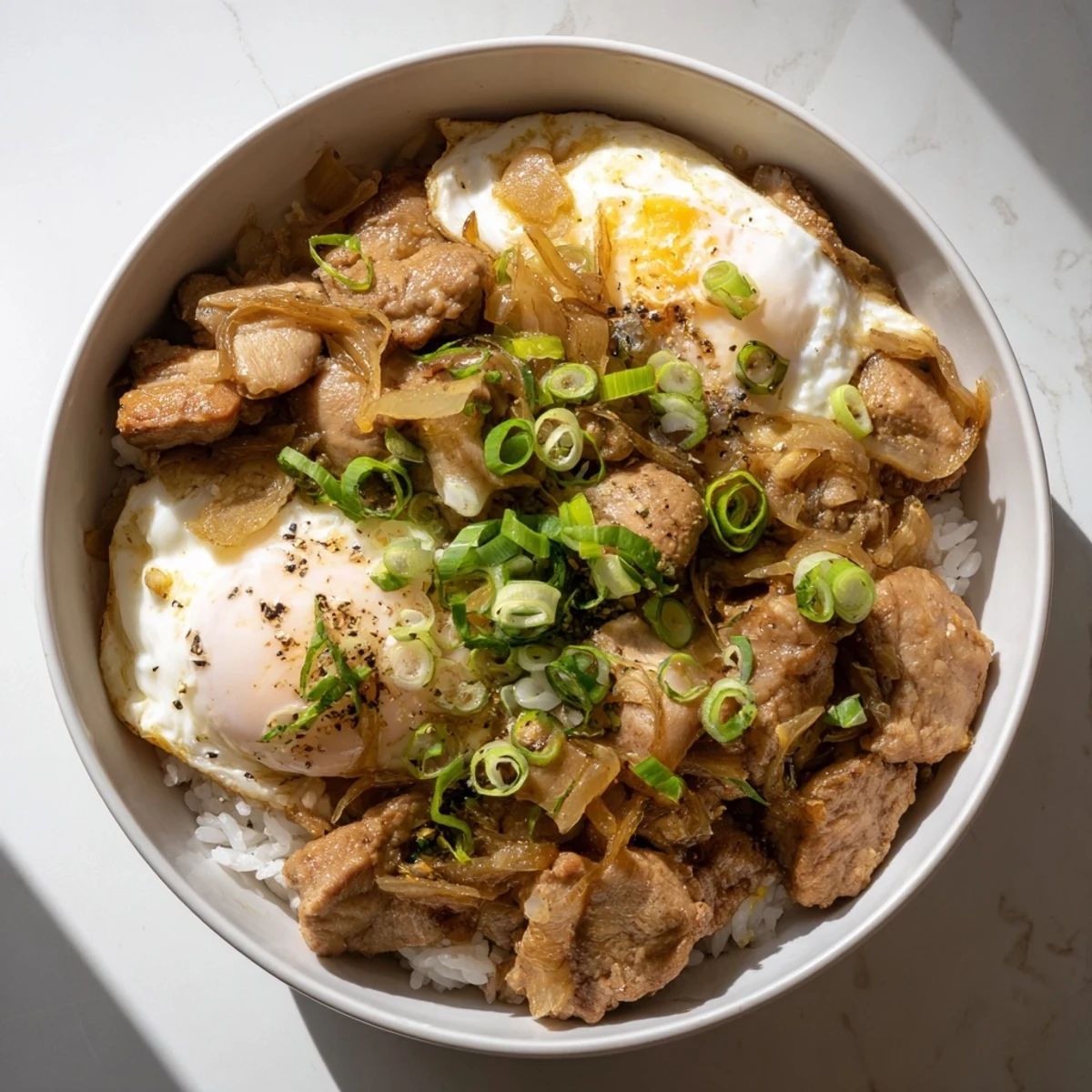
Save Last winter, my friend came over after a terrible day at work, and I made oyakodon without asking what she wanted to eat. She took one bite and started crying, not because it was sad but because the food was so exactly what she needed. It became our ritual after that, the dish I make when words are not enough.
Getting That Perfect Egg Texture
The difference between good oyakodon and great oyakodon comes down to the eggs. You want them fluffy and barely set, with a texture somewhere between a soft scramble and a custard. Pull the pan off the heat while they still look slightly undercooked because they will continue to firm up as you serve them.
Rice That Holds Its Own
Japanese short-grain rice is not negotiable here because its sticky texture helps it cling to all that flavorful sauce. Long-grain rice separates too much and will not absorb the broth properly, leaving you with dry patches and wasted sauce at the bottom of the bowl.
Customizing Your Bowl
Once you have the basic technique down, you can start playing with add-ins that make this dish your own. Some cooks add sliced shiitake mushrooms with the onions, others throw in a handful of spinach at the end.
- Try adding a pinch of red pepper flakes if you like subtle heat
- A drizzle of sesame oil right before serving adds a wonderful nutty aroma
- Leftover sauce in the pan makes the perfect base for a quick egg-drop soup
 Save
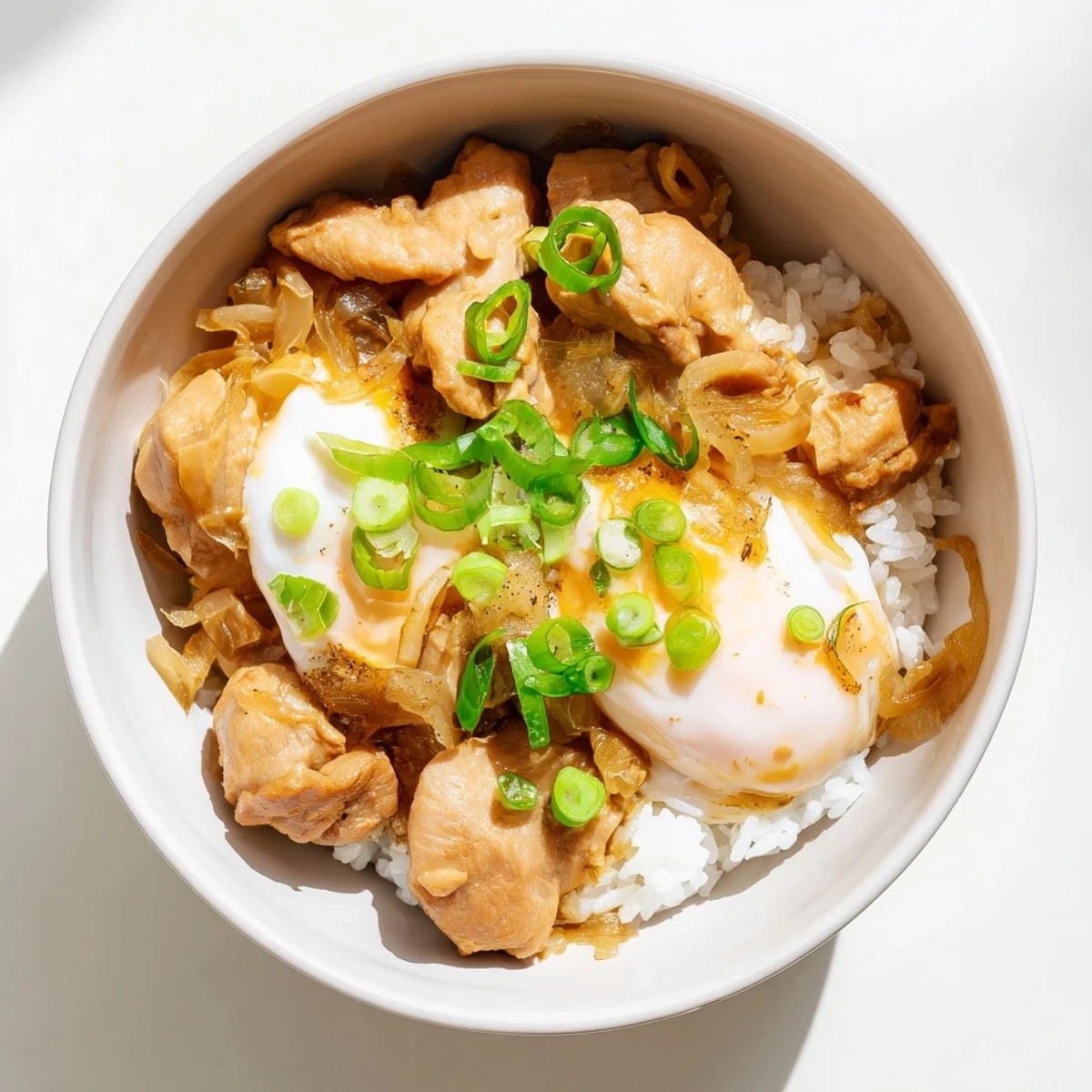
Save There is something profoundly satisfying about a meal that comes together this quickly yet tastes so deeply comforting. Oyakodon has earned its permanent place in my weeknight rotation, and I suspect it will find its way into yours too.
Recipe FAQs
- → What does oyakodon mean?
-
Oyakodon translates to 'parent-and-child bowl,' referring to the chicken and egg served together over rice.
- → Can I use chicken breast instead of thighs?
-
Yes, chicken breast works well for a leaner option, though thighs remain more tender and flavorful during simmering.
- → What can I substitute for dashi stock?
-
Low-sodium chicken broth makes an excellent substitute, though dashi provides the most authentic Japanese flavor profile.
- → How do I prevent the eggs from overcooking?
-
Remove from heat immediately when eggs are just set but still slightly runny. The residual heat completes cooking while serving.
- → Is this dish gluten-free?
-
Traditional oyakodon contains soy sauce, which typically includes wheat. Use tamari or coconut aminos for a gluten-free version.
- → Can I make oyakodon ahead of time?
-
Best enjoyed immediately while eggs remain silky and rice stays hot. The texture changes significantly upon reheating.