 Save
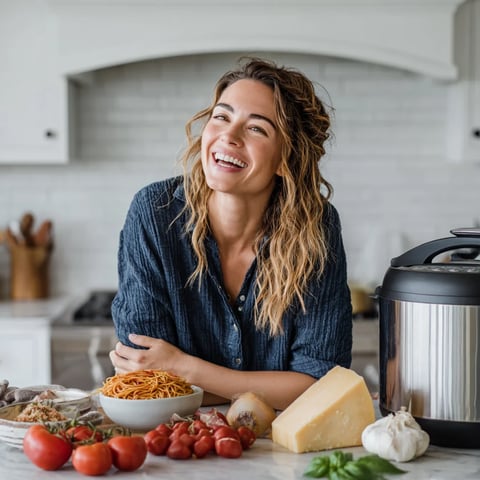
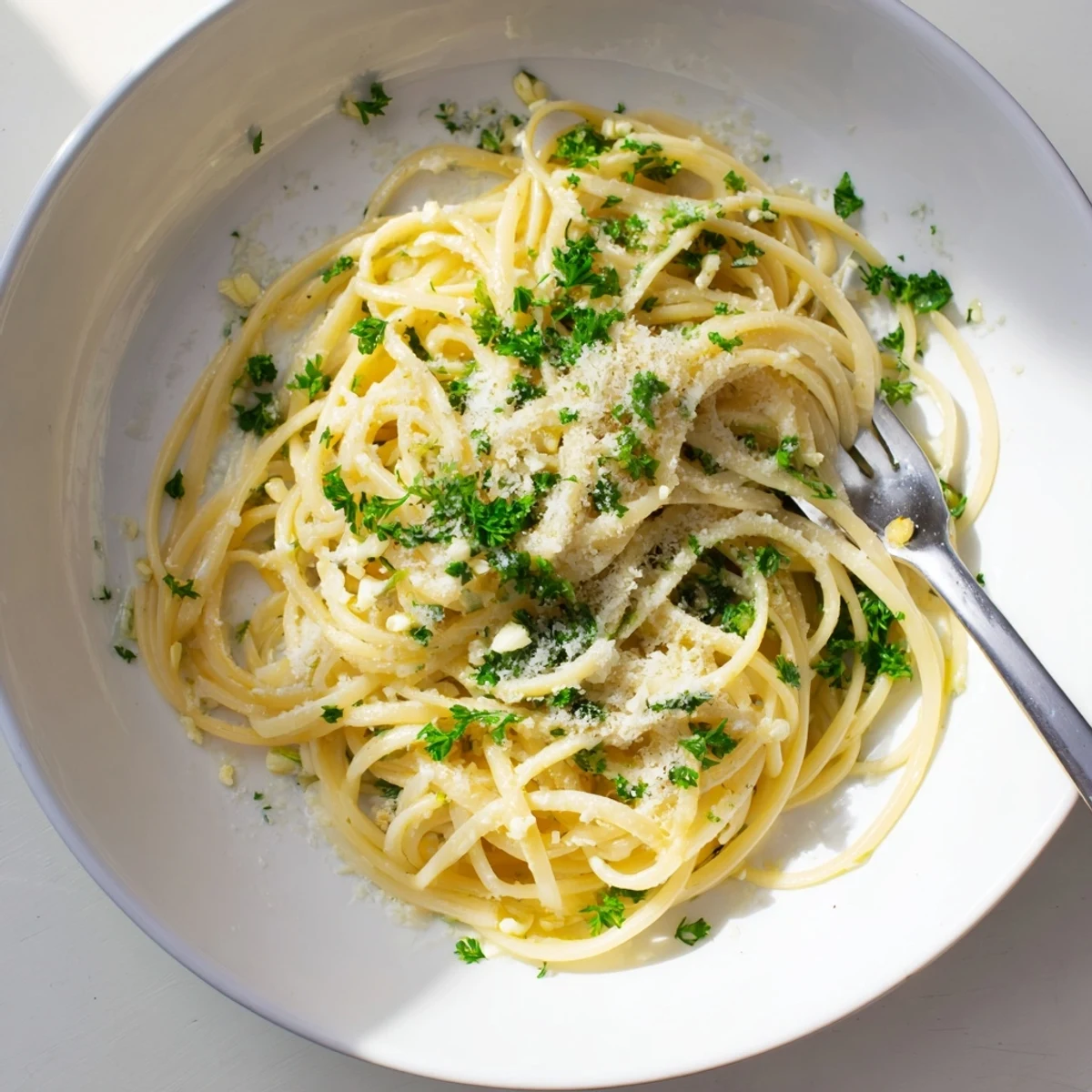
Save This one-pot pasta transforms simple ingredients into a luxurious, creamy dish. The spaghetti cooks directly in vegetable broth, absorbing all the savory flavors while creating a silky sauce. Fresh garlic sautéed in butter forms the aromatic base, while Parmesan adds rich umami depth. Ready in just 25 minutes, this Italian-inspired dish requires minimal cleanup and delivers restaurant-quality results. The method allows the starches to release naturally, thickening the sauce without any heavy cream. Perfect for busy weeknights when you crave comfort without spending hours at the stove.
The dishwasher had been broken for three days and every pot in my kitchen was dirty. That is when I discovered the magic of pasta that cooks right in its own sauce, transforming what could have been a disaster into one of my weeknight favorites.
My roommate walked in while I was making this and immediately asked what smelled so incredible. The whole apartment fills with this warm, buttery garlic aroma that makes everyone gravitate toward the kitchen.
Ingredients
- Spaghetti or linguine: Long noodles work beautifully here as they have plenty of surface area to absorb that flavorful cooking liquid and get coated in sauce
- Vegetable broth: Using broth instead of plain water adds depth from below, making each bite more satisfying
- Unsalted butter: Starting with unsalted butter lets you control exactly how salty the final dish becomes
- Fresh garlic cloves: Nothing replaces fresh garlic here, the minced cloves melt into the butter creating the foundation of the whole dish
- Parmesan cheese: This is what transforms the cooking liquid into a creamy, emulsified sauce that clings to every strand of pasta
- Lemon: Just a little brightness cuts through all that richness and wakes up all the flavors
- Fresh parsley: Adds color and a fresh contrast to all that buttery goodness
Instructions
- Melt your base:
- Heat the olive oil and butter together in your large pot over medium heat, watching the butter foam and subside
- Wake up the garlic:
- Add the minced garlic and let it sizzle gently for a minute or two until your kitchen smells amazing but the garlic has not taken on any color
- Add the pasta:
- Pour in the dry spaghetti breaking it in half if needed, then add enough broth to just cover the noodles
- Let it cook:
- Bring everything to a boil then turn it down to a steady simmer, stirring often so the pasta does not stick to itself
- Finish with flair:
- When the pasta is tender and most liquid has disappeared, stir in the Parmesan, lemon, and parsley until the sauce looks glossy and coats each strand
 Save
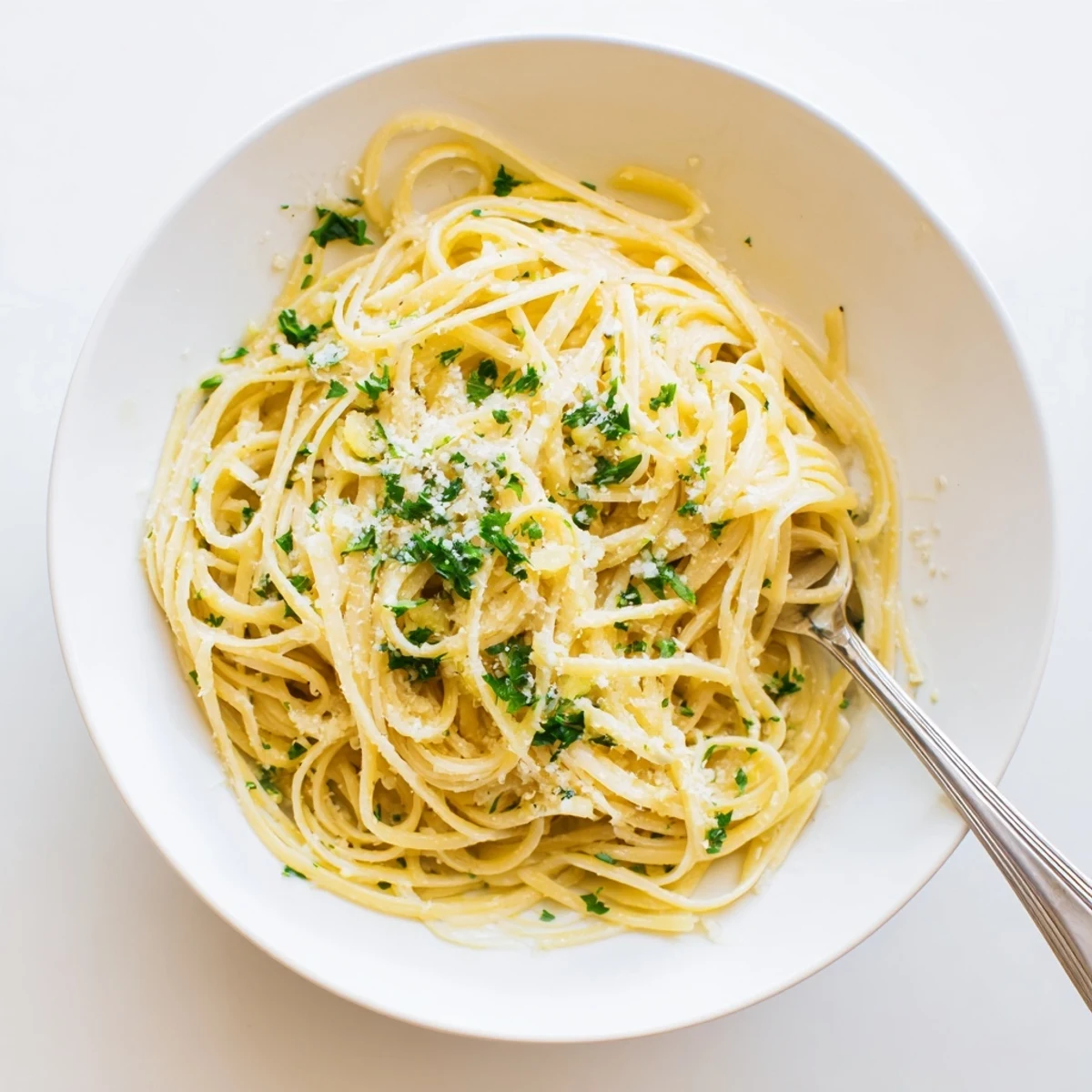
Save This has become my go-to when friends drop by unexpectedly. It looks impressive but comes together so fast that I can spend time with guests instead of being stuck at the stove.
Getting The Sauce Right
The key is waiting until the very end to add the cheese. If you stir it in too early, the high heat can cause the cheese to separate and turn grainy instead of staying smooth and creamy.
Making It Your Own
I have added everything from sautéed mushrooms to handfuls of baby spinach. The recipe is forgiving enough that you can use whatever vegetables you have in the crisper drawer.
Perfecting The Technique
Watch your heat carefully once the liquid reduces. The starch from the pasta makes the sauce thicken rapidly in the last few minutes, and high heat can make it go from perfect to pasty in seconds.
- Trust your nose more than the timer for when the garlic is ready
- Save a splash of pasta water just in case you need to loosen the sauce at the end
- Grate your own Parmesan fresh for the best melting and flavor
 Save
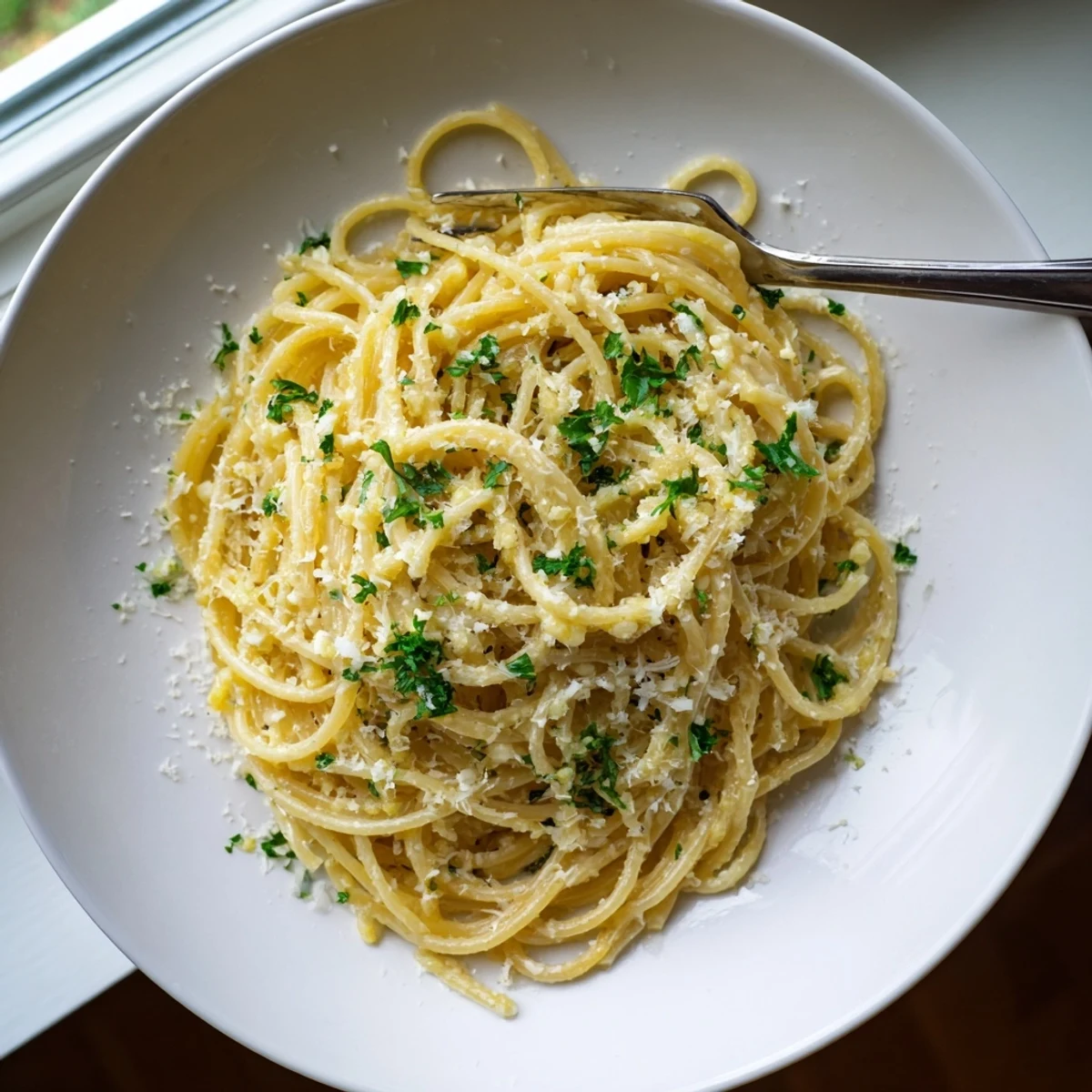
Save Sometimes the simplest recipes become the ones we return to again and again, and this garlic butter pasta has earned its permanent place in my regular rotation.
Recipe FAQs
- → Can I use different pasta shapes?
-
Yes, while spaghetti and linguine work beautifully, you can use fettuccine, penne, or rigatoni. Adjust cooking time by 2-3 minutes depending on the pasta thickness, and ensure there's enough liquid to fully submerge the noodles during cooking.
- → Is vegetable broth necessary?
-
Not at all. Water works perfectly fine, though vegetable broth adds depth of flavor. Chicken broth also pairs well if you're not strictly vegetarian. The key is using enough liquid to cook the pasta completely while creating a creamy sauce.
- → How do I prevent the pasta from sticking?
-
Stir frequently during the first 5 minutes of cooking, especially as the starches release. Keep the heat at a gentle simmer rather than a rolling boil, and ensure the pasta remains submerged in liquid throughout the cooking process.
- → Can I make this vegan?
-
Absolutely. Replace butter with vegan butter or olive oil, and use nutritional yeast or vegan Parmesan substitute. The cooking method remains exactly the same, and the dish will still be creamy and satisfying.
- → How should I store leftovers?
-
Store in an airtight container in the refrigerator for up to 3 days. Reheat with a splash of water or broth to restore creaminess, as the sauce thickens when chilled. The pasta absorbs more liquid overnight, so adding moisture during reheating prevents dryness.
- → What proteins can I add?
-
Grilled chicken, shrimp, or pan-seared salmon complement this dish beautifully. Add cooked proteins at the end, or incorporate raw shrimp during the last 3 minutes of pasta cooking time. For a vegetarian protein boost, stir in white beans or edamame.